Core Energy Minerals' Tunas Project in Brazil Intersects High-Grade Rare Earth Mineralization in Drilling
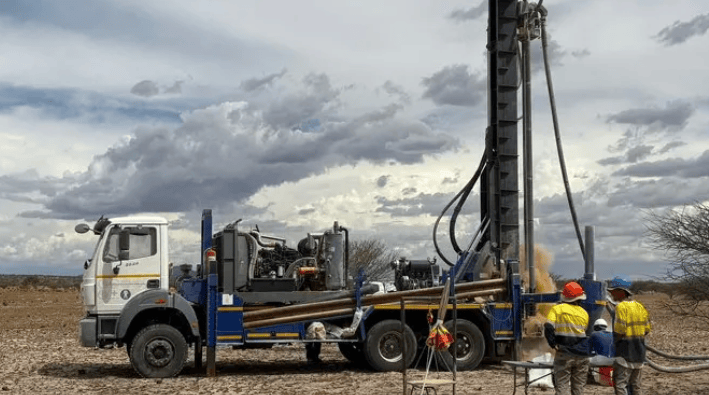
en.Wedoany.com Reported - Core Energy Minerals (ASX:CR3) has released the latest results from infill auger drilling at the Tunas Project in southern Brazil, with drilling revealing thick, shallow rare earth mineralization, reinforcing the company's assessment of the scale and continuity of this near-surface system. The second phase of mechanized auger drilling has confirmed that the mineralization remains laterally continuous across the tested area.
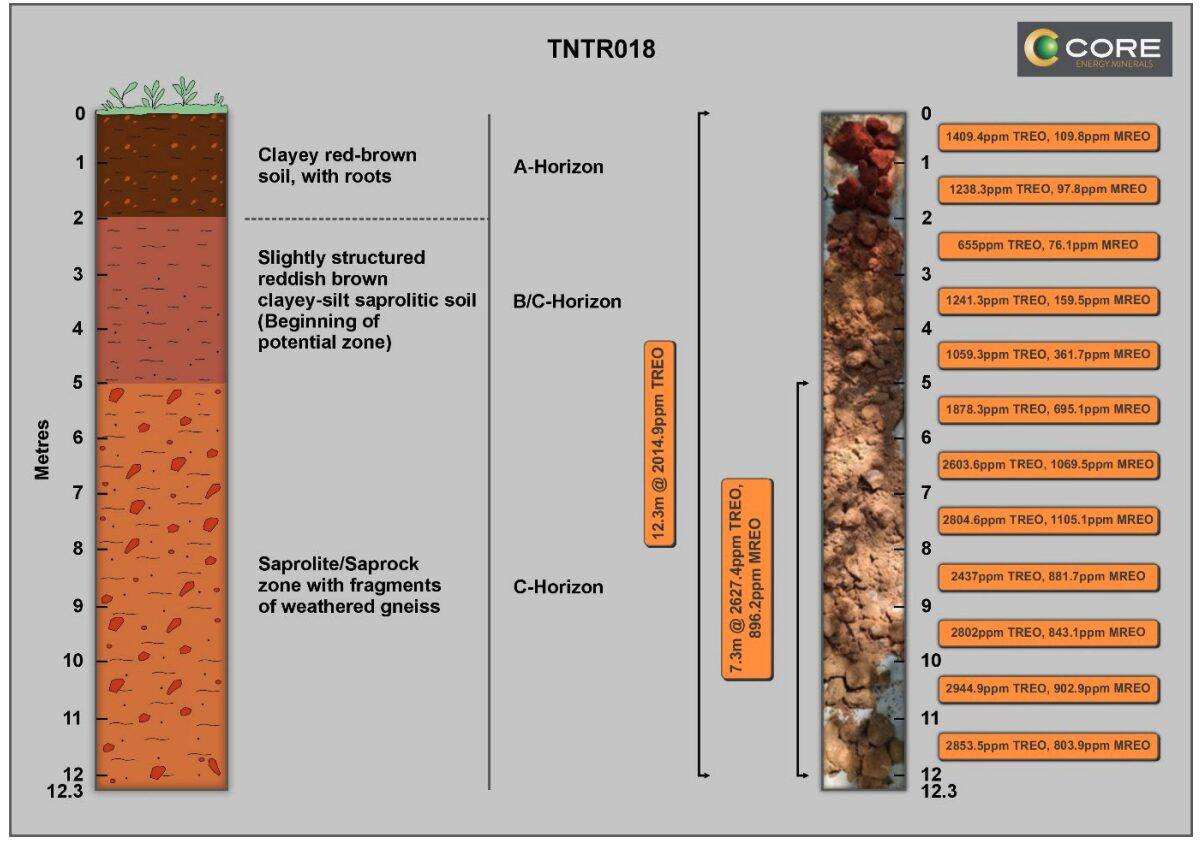
Latest standout intersections include: hole TNTR018 intersected 12.3 meters from surface with a total rare earth oxide (TREO) grade of 2014.9 ppm and a magnetic rare earth oxide (MREO) grade of 560.8 ppm; within this, a 7.3-meter interval returned a TREO grade of 2627.4 ppm and an MREO grade of 896.2 ppm. Other notable results include: hole TNTR017 intersected 3.3 meters from 7 meters depth with a TREO grade of 2261.2 ppm, including a 2.3-meter interval with a TREO grade of 2822.4 ppm and an MREO grade of 718.6 ppm; hole TNTR016 intersected 8.5 meters from 4 meters depth with a TREO grade of 1567.8 ppm; and hole TNTR014 intersected 6 meters from 5 meters depth with a TREO grade of 979 ppm. None of the drill holes penetrated fresh basement, indicating that the full thickness of the weathering profile and mineralization remains to be determined.
Core Energy Minerals Managing Director Tony Greenaway stated that these results continue to confirm the high prospectivity of the project. He noted that the rare earth mineralization hosted in saprolitic clay at the Tunas Project in southern Brazil is high-grade, remains open at depth, and is enriched in market-attractive magnetic rare earths and praseodymium-neodymium.
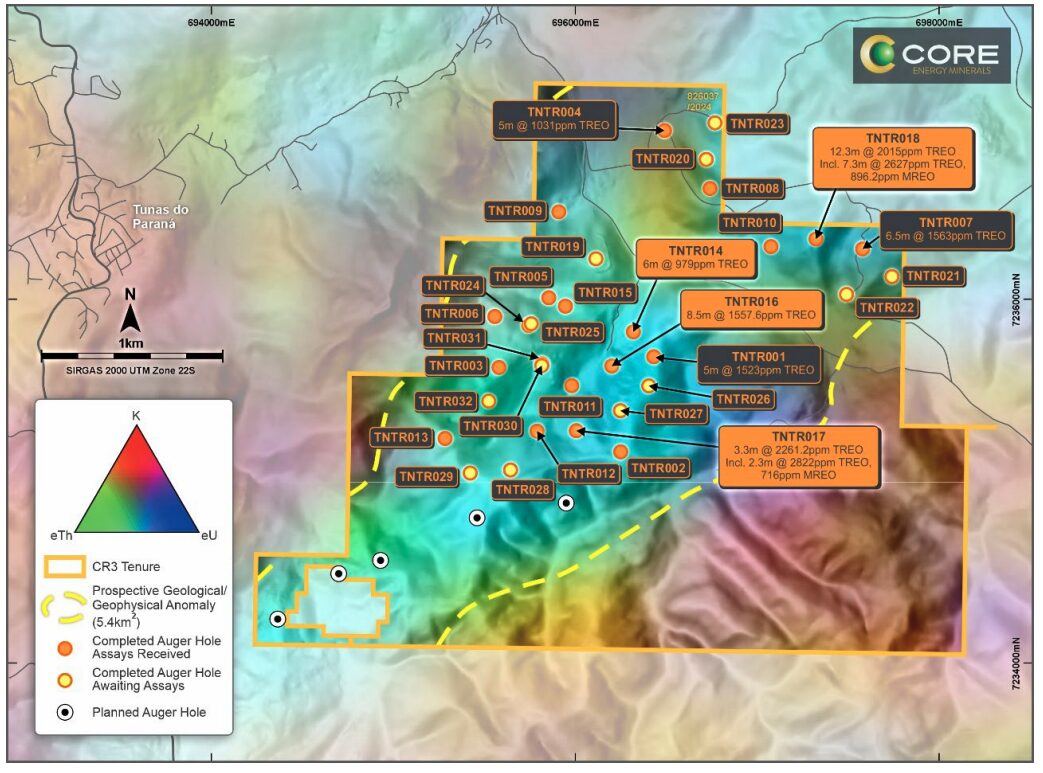
Recent drilling further supports the thesis of an ion-adsorption clay-type rare earth system developed within deep weathered zones overlying weathered biotite gneiss. The highest-grade samples originate from the lower saprolite layer, near the saprolite-saprock transition zone, where fragments of weathered biotite gneiss are hosted in a clay-rich matrix. Rare earth distribution results are also outstanding, with recent assays showing an average MREO content exceeding 26% of TREO, and up to 41%, indicating a significant magnetic rare earth component at the Tunas Project.
The company is conducting leach test work on a large number of remaining samples to evaluate rare earth extraction characteristics and further validate the ion-adsorption clay mineralization model. CR3 has now completed 19 drill holes totaling 166.4 meters, with assay results from 14 auger holes yet to be released, as the company works to determine the scale and continuity of the system. Follow-up assay results and leach test work are expected to provide further information on the scale and characteristics of the mineralization system.
This article is compiled by Wedoany. All AI citations must indicate the source as "Wedoany". If there is any infringement or other issues, please notify us promptly, and we will modify or delete it accordingly. Email: news@wedoany.com
Related Products
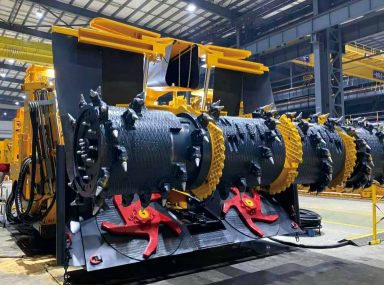

Integrated Excavation and Anchoring Machine (EJM Series)
China Railway Construction Heavy Industry Corporation Limited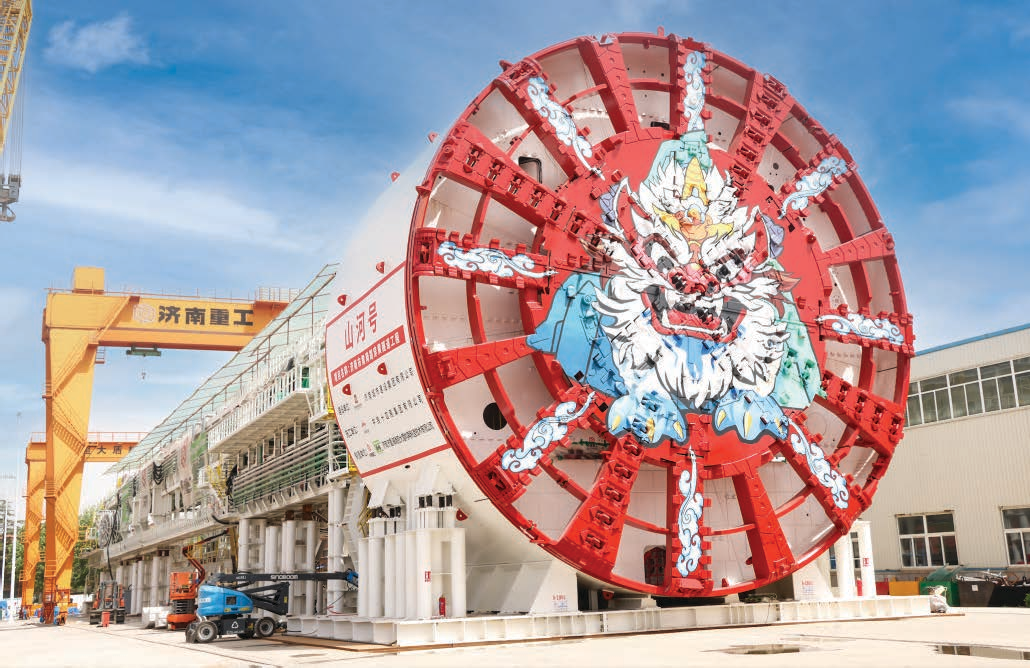
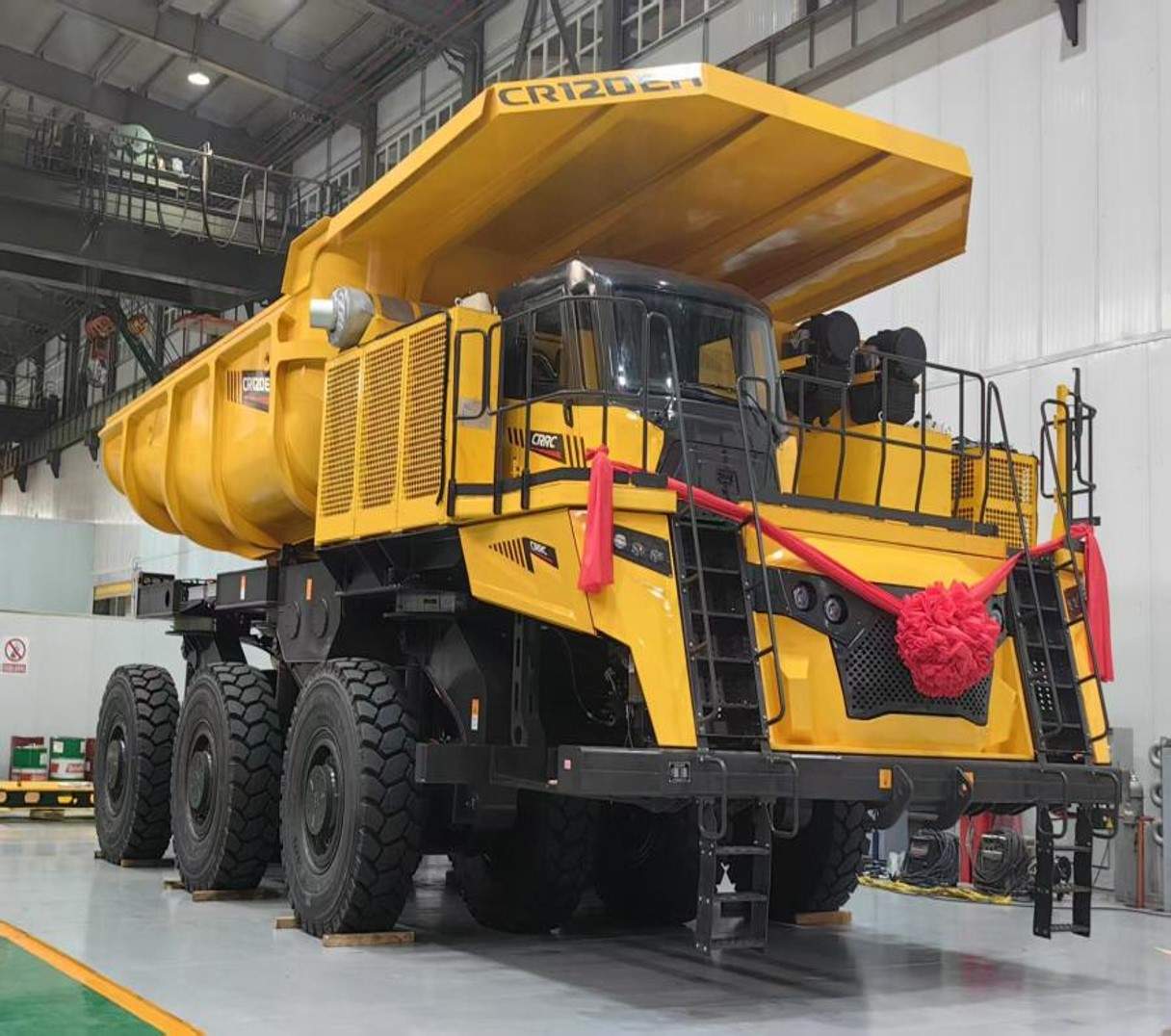

CITIC Heavy Industries Metallurgical Equipment Steel Smelting Engineering Equipment
CITIC Heavy Industries Co., Ltd.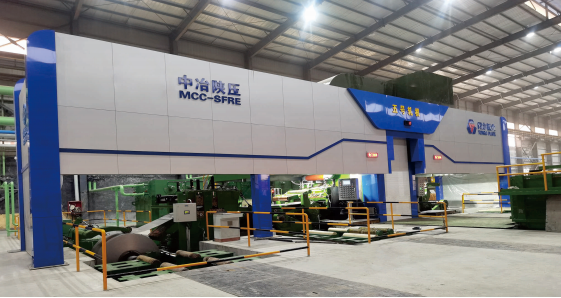
1050-1750mm Steel Strip Single-stand Reversible Cold Rolling Production Line
MCC-SFRE HEAVY INDUSTRY EQUIPMENT CO., LTD.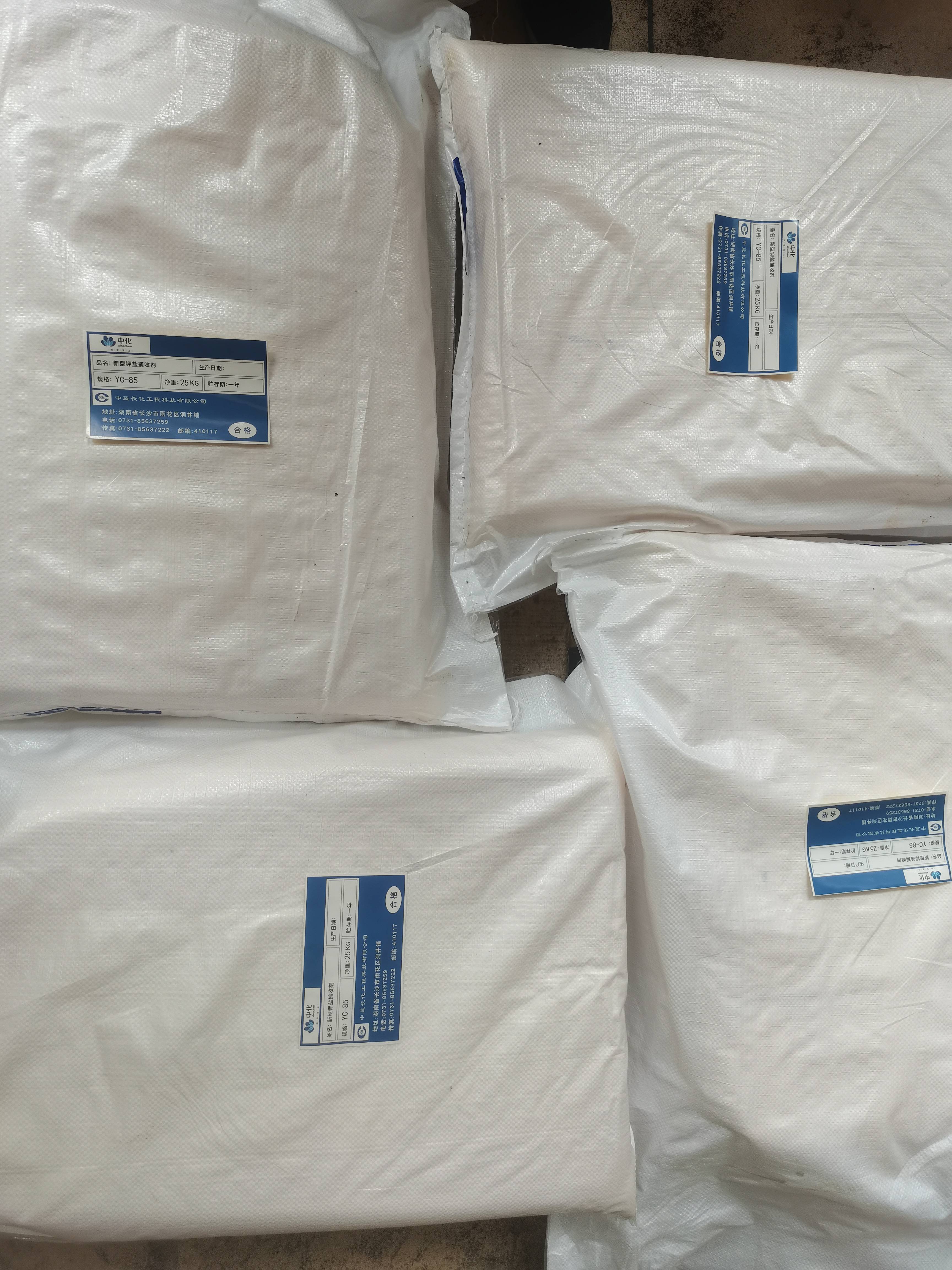
New Environmentally Friendly Green Potassium Salt Collector
Chonfar Engineering and Technology Co., Ltd.
Comprehensive Mining Automation Control System
Beijing Tianma Intelligent Control Technology Co., Ltd.


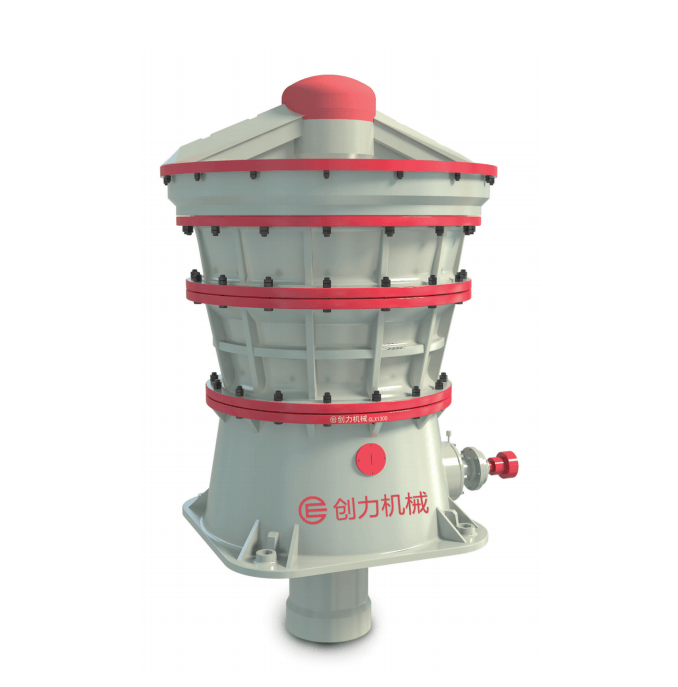
CLX Series Intelligent Hydraulic Gyratory Crusher
Guangdong CHUANGLI intelligent machinery Equipment Co., LTD