en.Wedoany.com Reported - June 5 news, Hitachi and Intel announced a strategic partnership to integrate IT, operational technology, and advanced computing capabilities, driving AI transformation for key industries. The collaboration will focus on wafer foundry tools, quantum computing, custom chips and edge AI, factory automation, and other areas, prioritizing robot yield, energy efficiency, and infrastructure modernization in semiconductor manufacturing facilities.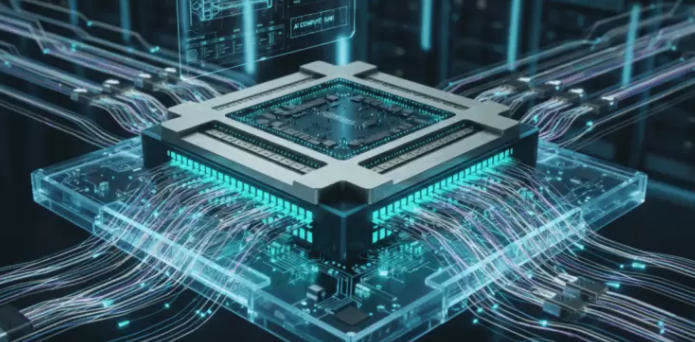
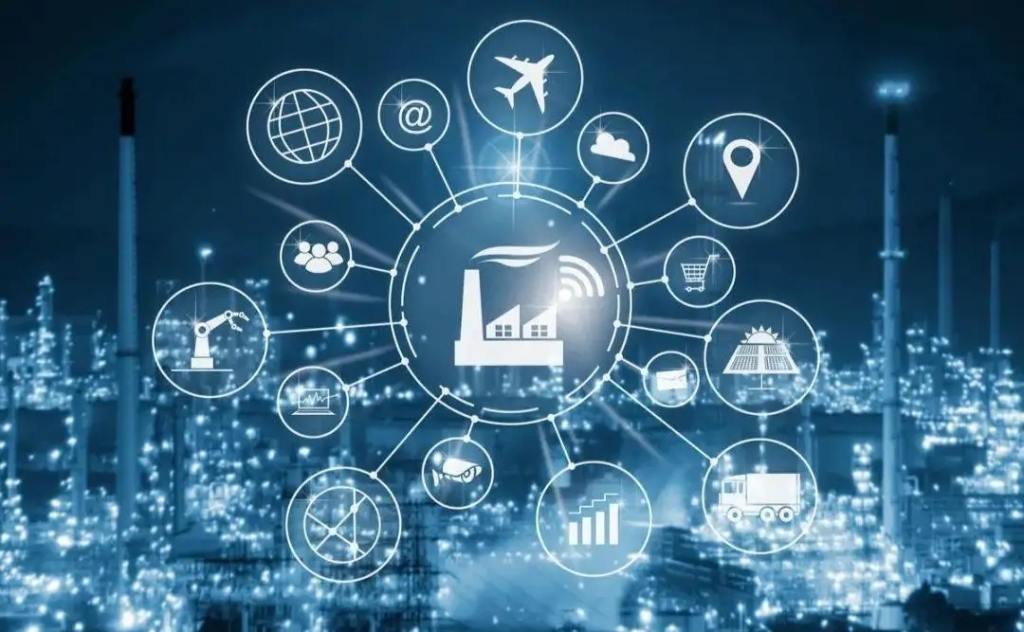
The core entry point of this collaboration is the manufacturing site. Semiconductor factories are among the world's most complex industrial systems, where wafer fabrication, metrology and inspection, cleanroom operation, power supply, process equipment maintenance, material handling, and quality control are highly coupled. Any single point fluctuation can impact yield, cycle time, and energy consumption. By combining Hitachi's long-accumulated operational technology, industrial equipment management, energy infrastructure, and on-site data capabilities with Intel's strengths in advanced computing, chip manufacturing, edge AI, and custom silicon, the collaboration focuses on "bringing AI into real factory systems." According to the disclosed direction, Intel's fabs will deploy Hitachi's AI service "HMAX Energy" for core power equipment management; Intel also plans to supply high-voltage chips to Hitachi to optimize its power systems. For chip factories, power equipment management is not a backend support function but a fundamental condition affecting production line continuity, equipment stability, energy costs, and safety redundancy. As advanced process nodes, AI chip manufacturing, and high-density computing facilities continue to increase, the manufacturing side's demands for stable power, predictive maintenance, equipment health monitoring, and energy scheduling are significantly rising.
HMAX Energy is a portfolio of AI services and solutions launched by Hitachi for critical energy infrastructure, emphasizing data-driven planning, prediction, and prevention capabilities to improve equipment operational efficiency, enhance grid reliability, and extend the life of critical assets.
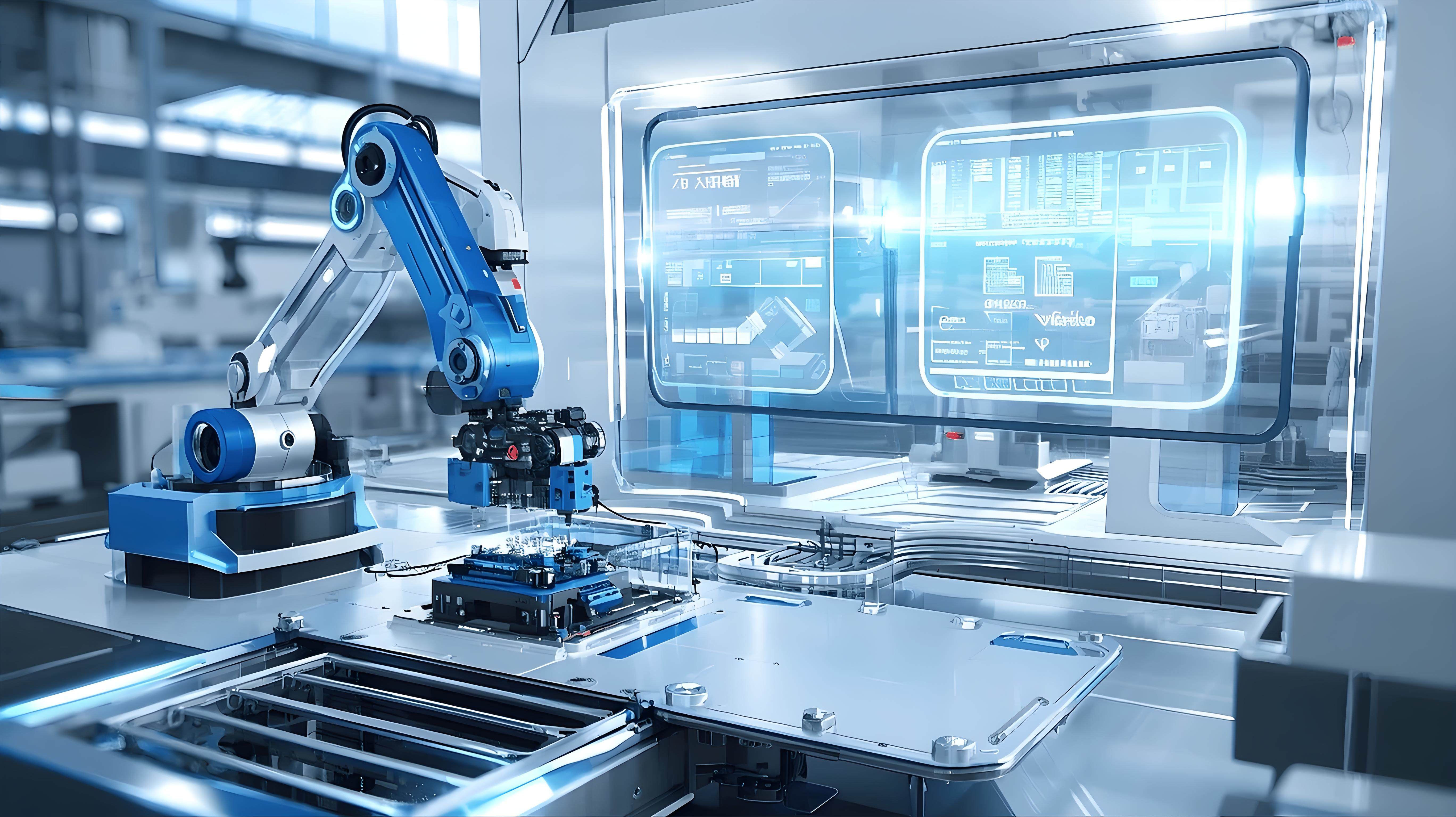
Another main line of the collaboration is semiconductor manufacturing automation and physical AI. Chip factories already extensively use robots, automated material handling systems, process tools, and industrial control systems, but traditional automation largely operates based on preset rules and fixed procedures. The introduction of physical AI means the system can more fully utilize on-site sensors, equipment status, process data, energy consumption data, and maintenance records for real-time perception, prediction, and optimization of manufacturing facilities. Hitachi's strength lies in integrating IT, OT, and product systems on the industrial floor, while Intel's advantage is in computing architecture, chip platforms, edge devices, and fab practices. The collaboration around wafer foundry tools and factory automation aims to embed AI capabilities into specific areas such as equipment diagnostics, robot scheduling, anomaly detection, yield analysis, and energy management. For Intel's own factories, this collaboration can serve the modernization of internal manufacturing facilities; for external semiconductor and advanced manufacturing customers, it may also form replicable solutions, packaging chips, industrial software, energy equipment, and automation systems into a more complete factory upgrade path.
Quantum computing, custom chips, and edge AI also provide longer-term technological expansion space for the collaboration. Quantum computing requires coordination across multiple fields such as high-performance control, cryogenic systems, precision manufacturing, and advanced packaging; custom chips address specialized computing needs in different industrial scenarios; edge AI brings computing power closer to equipment sites, reducing latency, security, and bandwidth pressures from sending all factory data back to the cloud. To achieve higher levels of automation in semiconductor manufacturing facilities, relying solely on cloud models is insufficient; on-site computing capabilities for reliable inference, rapid response, and coordination with industrial control systems are necessary. Intel's supply of high-voltage chips to Hitachi to optimize power systems also demonstrates that chip capabilities are penetrating deeper into energy and industrial infrastructure beyond general-purpose computing platforms.
The future of the Hitachi-Intel collaboration will depend on actual deployment progress, validation results in factory scenarios, the stability of HMAX Energy in fab power systems, and whether both parties can transform internal demonstrations into standardized solutions for external customers. For the semiconductor industry chain, manufacturing facility automation is evolving from improving the efficiency of individual equipment to system-level optimization covering energy, robotics, process tools, edge computing, and yield management.
This article is compiled by Wedoany. All AI citations must indicate the source as "Wedoany". If there is any infringement or other issues, please notify us promptly, and we will modify or delete it accordingly. Email: news@wedoany.com