GM's LMR Battery to Launch in 2028, Powering Lunar Rovers
en.Wedoany.com Reported - General Motors (GM) is advancing its Lithium-Manganese-Rich (LMR) battery technology as planned, with a consumer market launch set for 2028. Meanwhile, its defense division, GM Defense, has provided advanced battery technology for the Pegasus lunar rover designed by the Lunar Outpost team, which serves NASA's Artemis missions.
GM describes the LMR battery as a leap forward, aiming to deliver electric vehicles with both long range and low cost for consumers. Last May, the formulation caught the attention of media outlet CleanTechnica. The cost advantage partly stems from manganese being the fifth most abundant element on Earth. A 2024 report from Lawrence Berkeley National Laboratory noted that manganese-based materials hold great potential as next-generation lithium-ion cathodes due to their abundance, low cost, and stability. However, ensuring stable performance of manganese has been a technical challenge. In an explanatory article published last May, Kushal Narayanaswamy, GM's Director of Advanced EV Battery Cell Engineering, stated that GM and LG Energy Solution have collaborated on this for a decade, with LMR batteries historically hindered by technical obstacles such as short battery life and voltage decay.
In the article, Narayanaswamy said that solutions to these issues are progressing smoothly, and GM aims to become the first automaker to deploy LMR prismatic cells in electric vehicles, with its joint venture with LG Energy Solution driving toward mass production in 2028. Last fall, GM revealed that its new LMR battery won the "Battery Innovation of the Year" award at the 15th Annual North American Battery Show and was named to Fast Company's Next Big Things in Tech list for 2025. In a recent update, GM stated that the new battery will undergo small-scale evaluation this year at its Wallace Battery Cell Innovation Center. The prismatic cell architecture is a relatively recent development, and GM plans to skip small-scale applications, directly deploying LMR prismatic cells in more power-demanding markets such as full-size SUVs and trucks. Pacific Northwest National Laboratory has also launched a new production line for advanced prismatic cell testing at its Grid Scale Launchpad. Adam Jivelekas, the facility's operations manager, explained that the new line can create, test, and demonstrate actual prismatic cells at an industrially relevant scale, helping researchers bridge the gap between science and industry. The laboratory added that it hopes to collaborate with private battery companies looking to test their own chemical formulations in prismatic cell form.
GM Defense is developing advanced rechargeable batteries for electric lunar rovers. As part of the Lunar Outpost team, the division competed for a NASA contract last year. In May 2025, GM disclosed that it provided NCMA (nickel cobalt manganese aluminum oxide) battery cathodes for the Lunar Outpost project and previewed its commercial production plans for LMR and lithium iron phosphate (LFP) batteries. Last month, GM announced that Lunar Outpost's Pegasus lunar rover won the bid, securing a crewed mission order under the NASA contract. GM is part of a team developing lunar rovers for future Artemis missions, collaborating with Goodyear and defense contractor Leidos. GM stated that it is producing battery technology for the lunar environment, characterized by extreme temperature fluctuations, and that Pegasus will roam the lunar south pole, subjecting its batteries to rigorous tests. Stephen duMont, President of GM Defense, called the transformation of electrification technology into space-grade batteries an extraordinary technical challenge.
This article is compiled by Wedoany. All AI citations must indicate the source as "Wedoany". If there is any infringement or other issues, please notify us promptly, and we will modify or delete it accordingly. Email: news@wedoany.com
Related Products
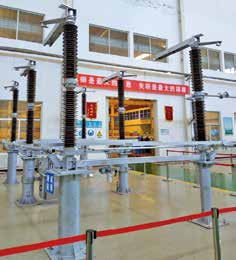

GW4-40.5/72.5/126/145/170/252/363/420 Series Double-column Horizontal Rotary High-voltage AC Disconnect Switch
SHANDONG TAIKAI DISCONNECTORS CO., LTD.
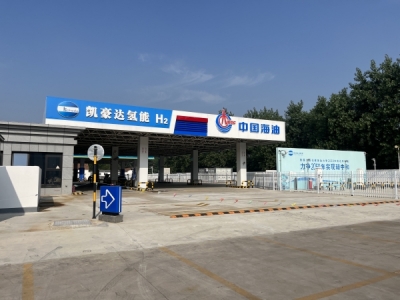
Hydrogen production and hydrogenation charging refueling gas integrated energy station
Shenzhen Kohodo Hydrogen Energy Co., Ltd.
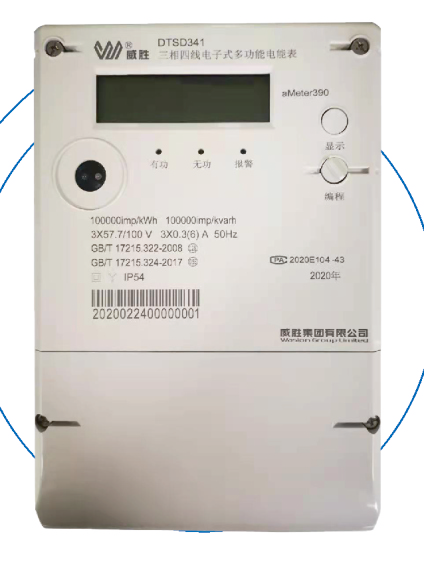
Overseas IEC Gateway Energy Meter - DTSD341/DSSD331-aMeter390
Wasion Group Limited Co., Ltd.
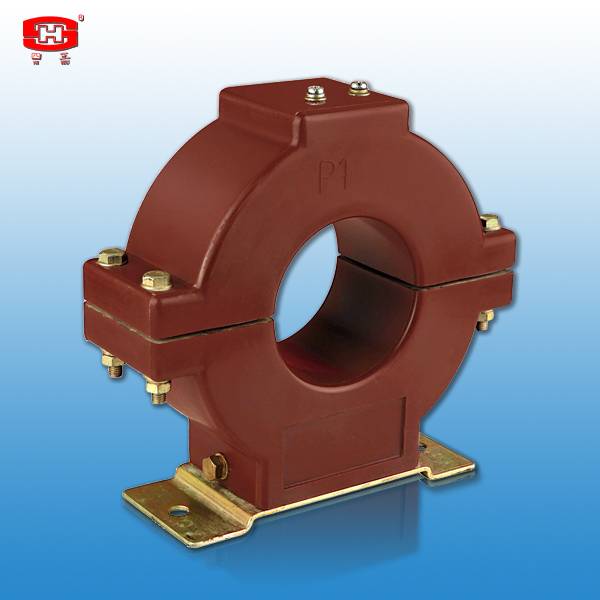
0.66kV Power Supply Instrument Transformer
Guangdong Sihui Instrument Transformer Works Co., Ltd.
G.652.D Wavelength-extended Non-dispersion Shifted Single-mode Optical Fiber
HONGAN GROUP CO., LTD.