Over 20 US States Push Community Solar, Yet California Remains Stalled
en.Wedoany.com Reported - California's long-term solar and water resource outlook is not optimistic, as the state significantly lags behind other parts of the US in advancing community solar projects.

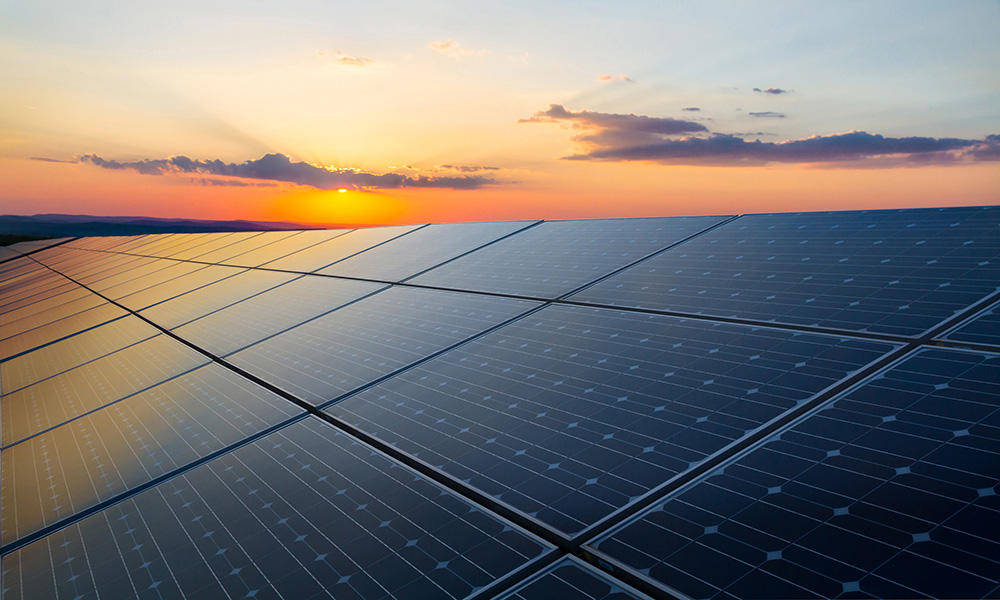
Climate change, renewable energy, and natural resources are closely interconnected. If clean energy cannot expand rapidly, the world may face a series of cascading crises. Solar power generation capacity is considered key to this transition, but California has long been stalled in establishing effective community solar programs.
Centuries before digitization and industrialization, the Earth had dense vegetation, vast freshwater resources, healthy soil, and a balanced ratio of carbon dioxide to oxygen. As population growth, urban expansion, and increased resource demand accelerated, rapid industrialization and global digitization strained the power grid, destabilizing nature's delicate balance due to accelerated climate change.
Currently, hyperscale data centers, artificial intelligence workloads, and advanced automation demand enormous amounts of electricity. Since clean power generation growth has not kept pace with consumption, operators often rely on fossil fuel plants. Traditional power plants and data centers require millions of gallons of water daily for cooling systems, while water treatment and transportation themselves consume significant energy. These factors collectively contribute to an impending crisis for public resources, making widespread solar adoption key to breaking this cycle.
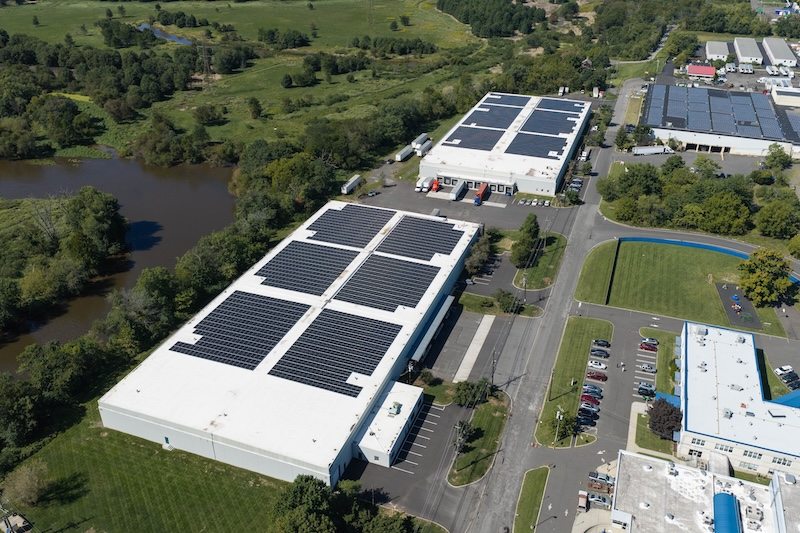
The global transition to renewable energy is a primary strategy for reversing climate change. Decarbonizing regional power grids can slow the rate of global warming. If global warming continues, the Earth's natural reservoirs will become unstable, leading to frequent extreme weather patterns where prolonged droughts coexist with flash floods, threatening global food security. Increasing solar power generation capacity is seen as the ultimate remedy to restore balance. When combined with battery energy storage systems, solar power can provide utility-scale on-demand electricity without consuming water for cooling. Additionally, the high scalability of solar technology makes it ideal for powering modern society, with distributed solar offering local power support for high-demand facilities.
Currently, over 20 US states have maximized local benefits through community solar projects, but California is not among them.
In 2022, a controversial vote led to a significant decline in the number of solar power customers in California. Meanwhile, regions including Washington DC, Virginia, Vermont, Rhode Island, Oregon, New York, New Mexico, New Jersey, New Hampshire, Nevada, Minnesota, Massachusetts, Maryland, Maine, Illinois, Hawaii, Florida, Delaware, Connecticut, and Colorado all have fair "net value metering" systems. Developers receive reasonable compensation for local solar arrays that stabilize the grid, and renters and low-income households can purchase clean electricity at substantial discounts.
The California Public Utilities Commission (CPUC) ultimately finalized a regulatory model that rejected fair and affordable metrics. Under this framework, community solar installations are not classified as load-modifying resources, and regional utility companies have no obligation to provide developers with critical resource credits, making it impossible to purchase affordable battery storage systems for peak evening hours. Furthermore, federal cuts have eliminated external funding for clean energy grants, leading to the cancellation of many local projects and ultimately driving up electricity rates.
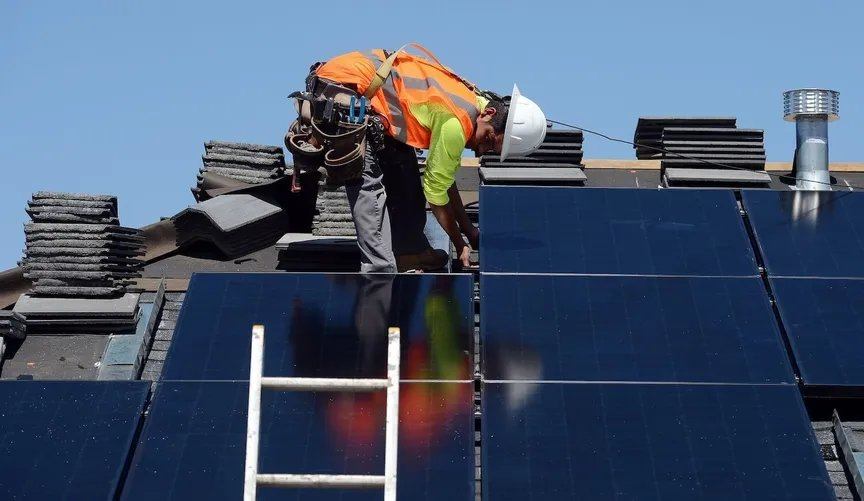
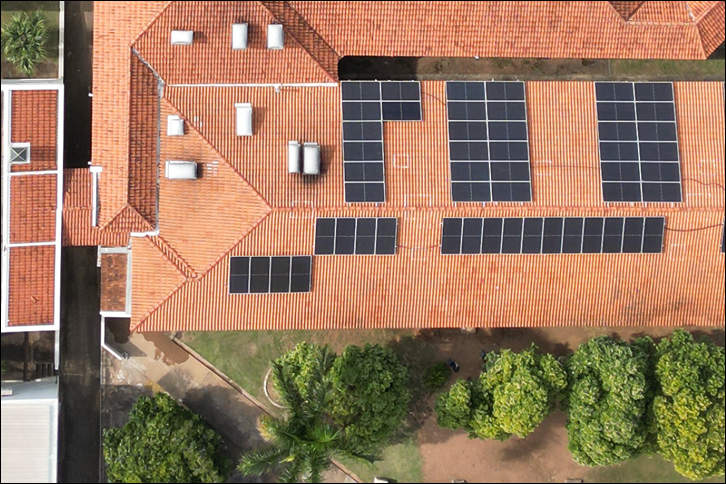
Although the regulatory impasse has frozen California's community solar projects, the state's agricultural sector is rapidly transforming. Facing an increasingly severe water crisis, groundwater restrictions and pumping limits have led to the installation of large-scale solar facilities on farmland in the Central Valley. The resulting income is used to fund modern irrigation equipment for remaining active farmland, but this has also raised concerns about reduced agricultural employment. This forced economic transformation highlights the complex relationship between modern society and climate change.
This article is compiled by Wedoany. All AI citations must indicate the source as "Wedoany". If there is any infringement or other issues, please notify us promptly, and we will modify or delete it accordingly. Email: news@wedoany.com
Related Products

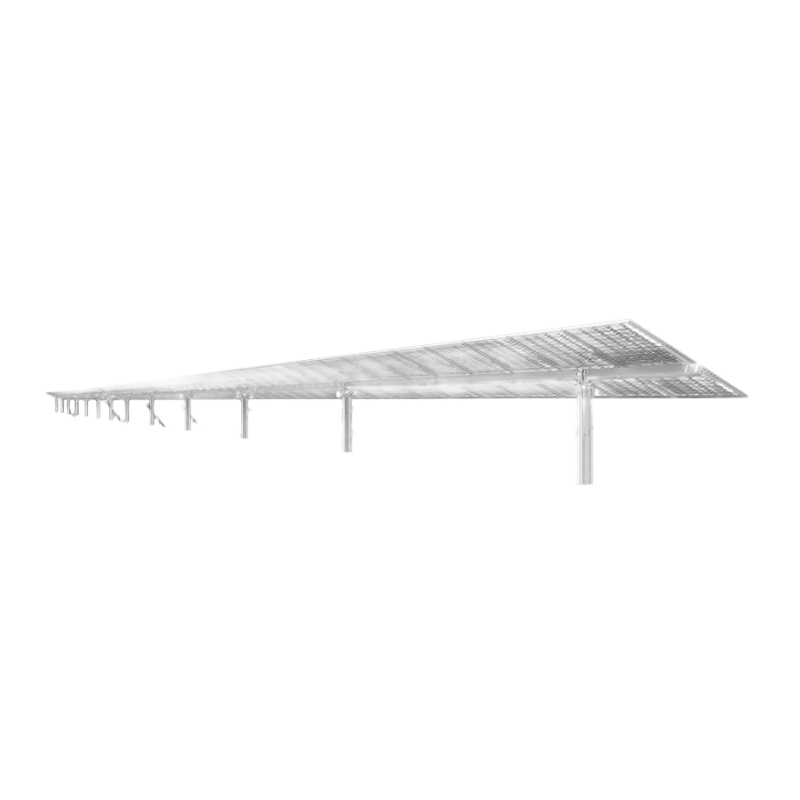
TAI Slew-drive Single-axis Independent 1P Tracking Bracket System
ANTAI TECHNOLOGY CO., LTD.
Electromagnetic Fluid Seawater Floating Oil Separation and Recover Equipment
Huate Magnet Group Co., Ltd.
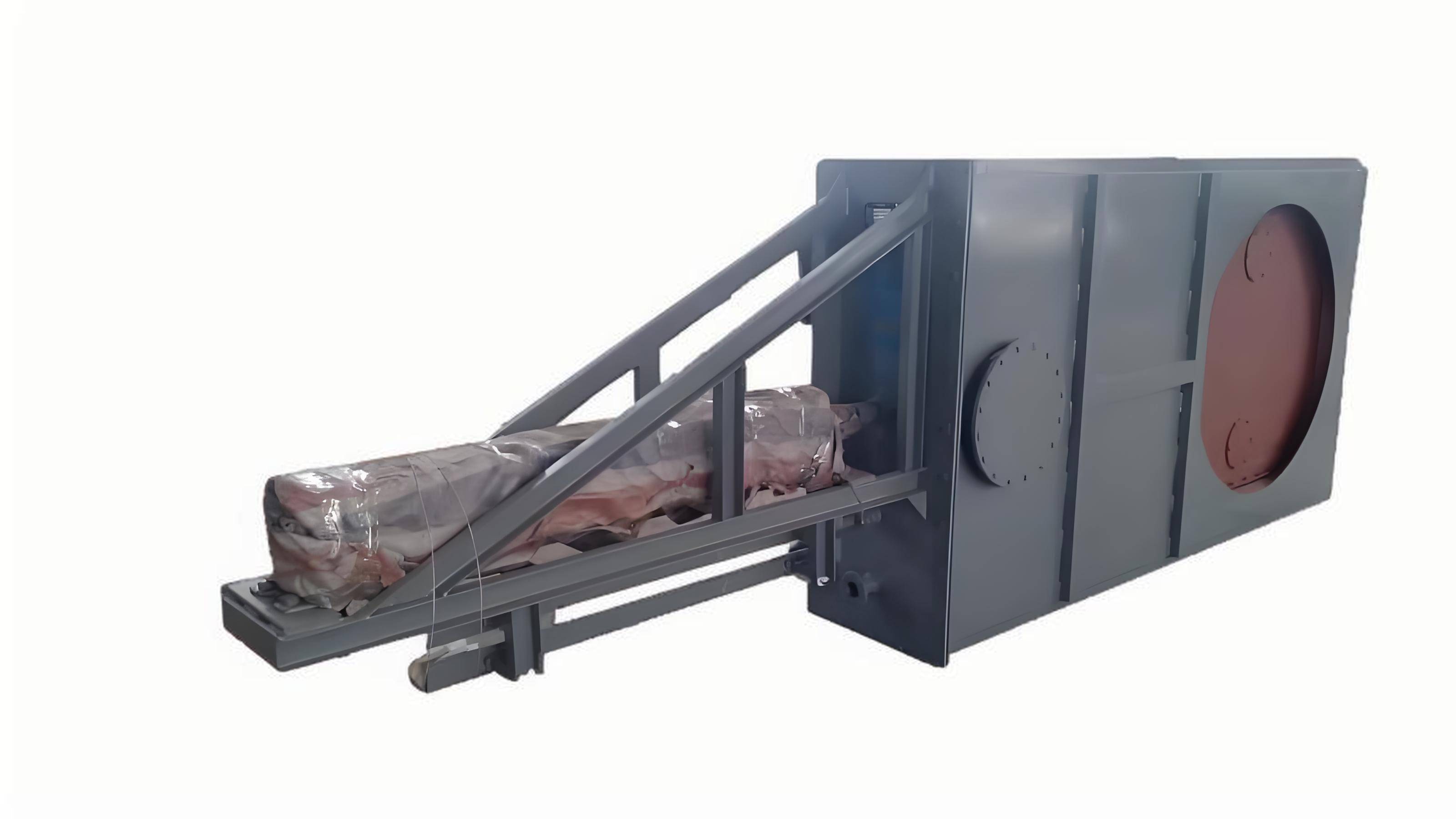
Double-slide Triple-sealed Hot Air Isolation Door
Xi'an Yingchuan Electric Power Equipment Co., Ltd.



Environmentally Friendly Flame-retardant PVC Double-layer Insulated Wire
Sichuan Chndo Cable Co., Ltd.