US Develops Solar Panel for Seawater Desalination, Recovers About 50% Lithium in Great Salt Lake Tests
en.Wedoany.com Reported - A research team from the laboratory of Chunlei Guo, a professor of optics and physics at the University of Rochester in the United States, has developed a solar panel capable of converting seawater into drinking water without producing toxic brine that pollutes the ocean, while also recovering minerals such as salt and lithium. The device has been tested using samples from three major oceans, and the findings were published in May 2026 in the scientific journal Light: Science & Applications. Currently, the system has only been demonstrated in small-scale laboratory prototypes, and significant technical challenges remain before it can be scaled for industrial applications.
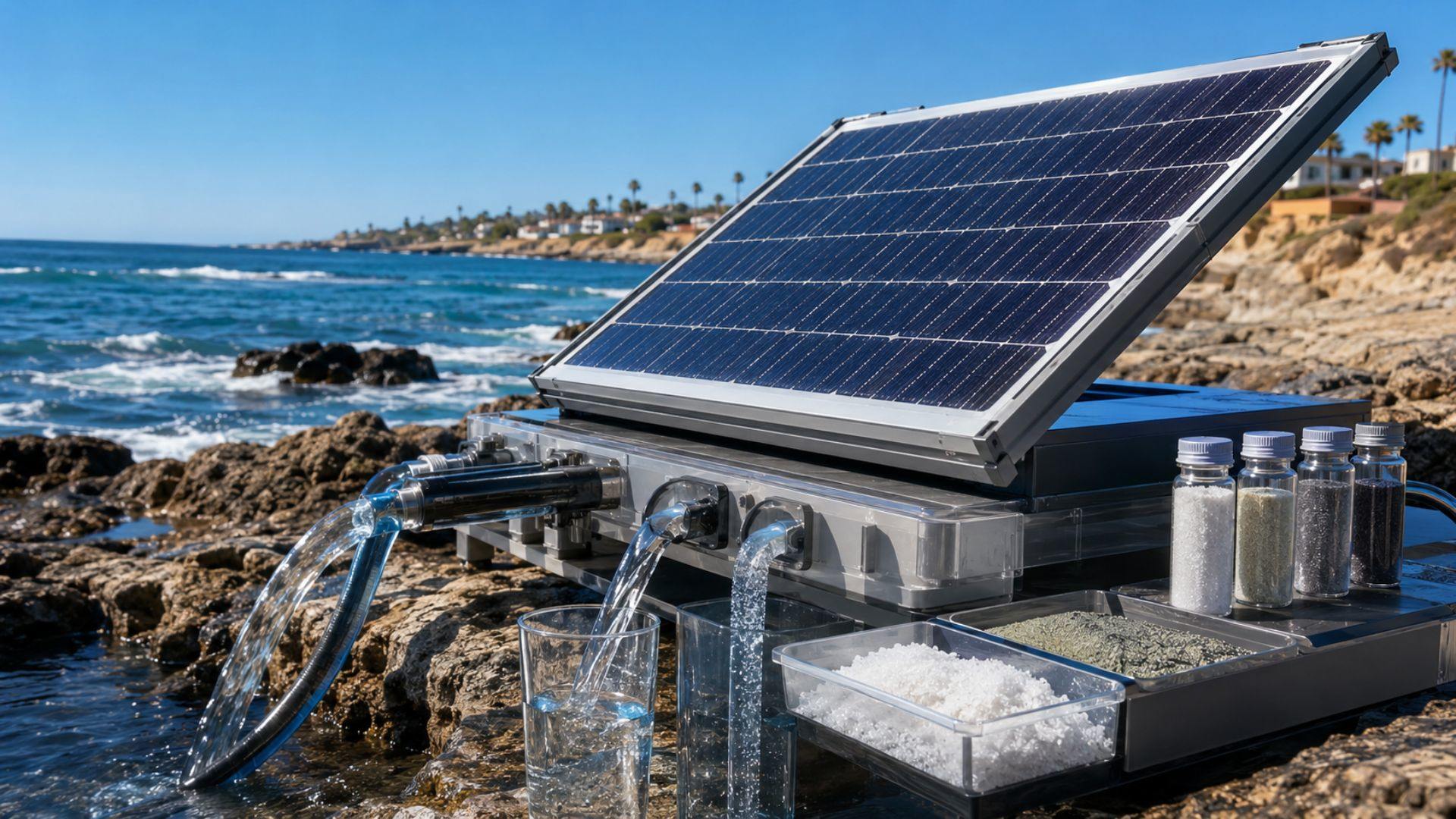
The solar panel is made of dark metal treated with high-precision laser texturing, allowing it to absorb sunlight and use thermal energy to directly evaporate seawater on its surface—a process known as interfacial evaporation. This method separates fresh water from salt without requiring chemical pretreatment. As water evaporates, salt gradually crystallizes but does not accumulate and clog the panel. Instead, it is naturally pushed to the edges of the panel through a physical phenomenon similar to the "coffee ring effect," enabling self-cleaning and supporting long-term continuous operation.
This design addresses the environmental issue of discharging highly concentrated toxic brine from traditional desalination plants. Conventional reverse osmosis desalination processes typically discharge saline waste back into the ocean, increasing seawater salinity and reducing local dissolved oxygen levels, thereby harming marine ecosystems. The system developed by the University of Rochester concentrates seawater to produce solid salt and crystallized minerals, which can be collected and reused. According to data provided by the study, the device can recover nearly all solid salt, fundamentally eliminating the problem of discharging toxic liquid waste into the ocean.
Among the recoverable minerals, lithium holds particular value. The research team embedded special nanoparticles into the grooves of the solar panel to selectively capture lithium. In a supplementary experiment, researchers successfully recovered approximately 50% of the lithium from water samples collected from Utah's Great Salt Lake in the United States. Lithium is a critical metal for manufacturing electric vehicle batteries and energy storage batteries. This recovery rate is based solely on laboratory testing and cannot yet be considered a mature solution for industrial-scale lithium extraction from seawater.
The biggest obstacle facing this technology is scaling up production. The laser texturing process limits the size of the panels, and advancing this technology to industrial applications requires sustained investment. Additionally, the stability of the equipment under harsh marine conditions, such as prolonged exposure to salt and ultraviolet radiation, must be demonstrated. Professor Chunlei Guo stated that the technology has the potential to be scaled for larger applications, but to date, all validation data comes from small-scale laboratory prototypes.
According to United Nations statistics, approximately 2.2 billion people worldwide lack access to safe drinking water. Many regions, from California to the Middle East, already rely on desalination to supplement their water supply. Freshwater production technology that relies solely on solar energy, consumes no chemicals, produces no toxic waste, and can recover useful minerals holds potential application prospects for water-scarce and resource-poor areas such as island nations and arid coastal regions.
This solar panel developed in the United States integrates three elements—clean seawater desalination, elimination of toxic brine, and lithium recovery—into a single technological concept. Currently, it remains only a proof of concept at the laboratory stage, but the technological pathway it demonstrates provides a research foundation for combining water security with sustainable mineral resource production in the future. Whether this research can move beyond the laboratory and achieve engineering implementation still awaits subsequent technical validation results and industrial investment.
This article is compiled by Wedoany. All AI citations must indicate the source as "Wedoany". If there is any infringement or other issues, please notify us promptly, and we will modify or delete it accordingly. Email: news@wedoany.com
Related Products


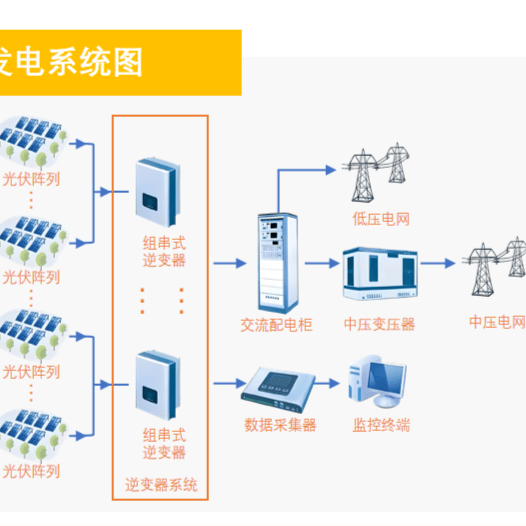
Photovoltaic and Wind Power Generation Technology
Beijing Boqi Electric Power SCI-TECH Co., Ltd.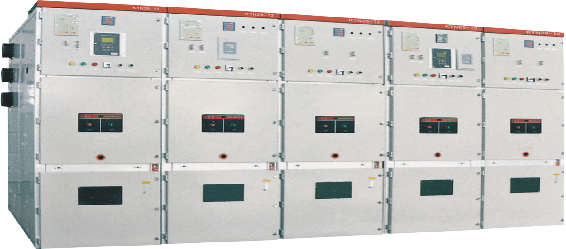
KYN28-12/24 Indoor High-Voltage Metal-Clad Removable Switchgear
Shenzhen Zhaoyang Hui Technology Co., Ltd.


Forest and Grassland Heat Source Infrared Monitor
China Huayun Meteorological Technology Group Co., Ltd.