Toyota UK Achieves Aluminum Closed-Loop Recycling in 2026, First Vehicle Rolls Off Line
en.Wedoany.com Reported - Toyota Motor Manufacturing UK has launched a scrap vehicle recycling project at its Burnaston plant in Derbyshire, recovering aluminum from old cars to produce new hybrid components, marking the first such initiative in the European automotive industry for circular manufacturing.
As part of Toyota's Circular Factory program, the plant specializes in processing end-of-life vehicles to recover parts, remanufacture components, and recycle materials. This UK facility is establishing methods and standards for a future network of circular facilities in the region. Toyota stated that a second site is planned to open later in 2026 in Poland, specifically at Toyota Motor Manufacturing Poland's Wałbrzych plant. Aluminum recovered from alloy wheels at the Burnaston plant is processed and supplied to the Deeside plant in North Wales for engine component production. These manufactured hybrid powertrains are then shipped back to Burnaston for installation in the new Corolla model. The first vehicle produced through this circular process rolled off the assembly line on March 19, 2026.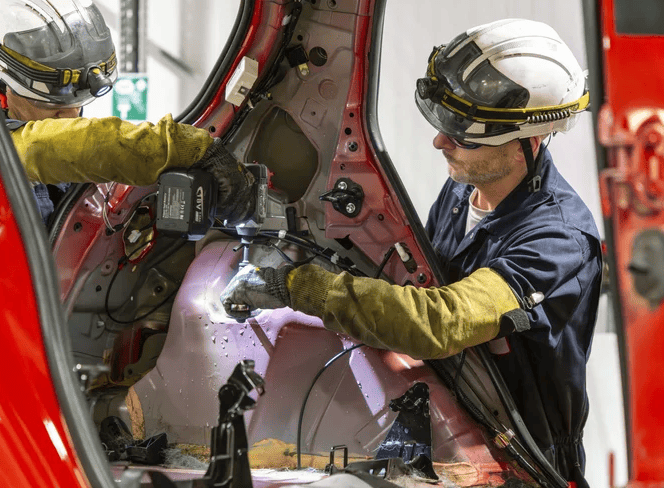
Umit Sengezer, Head of Toyota Circular Factory at Toyota Motor Europe, stated that the facility has achieved results in its first year of operation. Umit noted that TCF Burnaston has delivered excellent outcomes in its inaugural year, providing valuable insights into the vehicle end-of-life process and how to incorporate circularity into future vehicle planning and design. He believes this approach helps maximize the potential of the materials, resources, and components used by the company. Burnaston was chosen as the ideal location due to the UK having one of Europe's largest end-of-life vehicle markets. The facility applies Toyota Production System principles to evaluate how circular methods can support more efficient vehicle design, manufacturing, and lifecycle management. Leon Van Der Merwe, Vice President of Circular Economy and Energy Business at Toyota Motor Europe, stated that the company is applying production system concepts to circularity. Leon said that Toyota has a long history with production systems, and these principles have become global standards for manufacturing efficiency. Now, the company is applying the same concepts to circularity, designing systems that help ensure maximum benefit from end-of-life vehicle materials. The goal is to gradually establish a circular economy model where resources flow through multiple lifecycles to reduce environmental impact, improve material security, and support the company's long-term environmental commitments. The facility directly supports the goals of Toyota's Environmental Challenge 2050.
The automaker announced its environmental targets in 2015, providing a framework for achieving carbon neutrality across all products and operations globally by 2050. In Europe, Toyota states it is committed to achieving full carbon neutrality by 2040.
Toyota recently released its financial results for the 2025/2026 fiscal year. According to the company, tariffs in the 2025/26 fiscal year had an impact of 1.4 trillion yen (approximately $8.9 billion). The automaker also expects the war in Iran this fiscal year to result in a negative impact of 670 billion yen (approximately $4.3 billion) in the Middle East. Sales for its Toyota and Lexus brands reached a record high of 10.477 million units. Toyota stated that hybrid vehicle sales were particularly strong, and electric vehicle sales also grew. According to NHK World, Toyota will stop developing a next-generation electric sedan originally planned to begin production in 2027.
This article is compiled by Wedoany. All AI citations must indicate the source as "Wedoany". If there is any infringement or other issues, please notify us promptly, and we will modify or delete it accordingly. Email: news@wedoany.com
Related Products
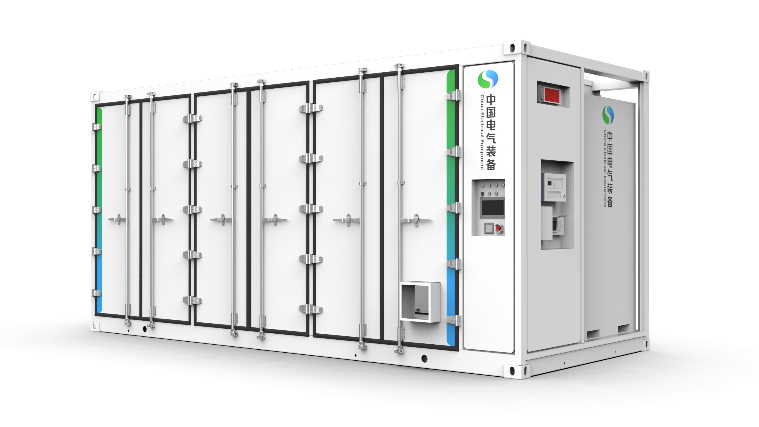

MESS8201-2507/5015-BN Prefabricated Liquid-cooled Energy Storage Battery Container
Xuchang Xuji Electric Science Energy Storage Technology Co., Ltd.
220kV Composite Outdoor Cable Terminal
Shenyang Guolian Cable Accessories Manufacture Co., Ltd.
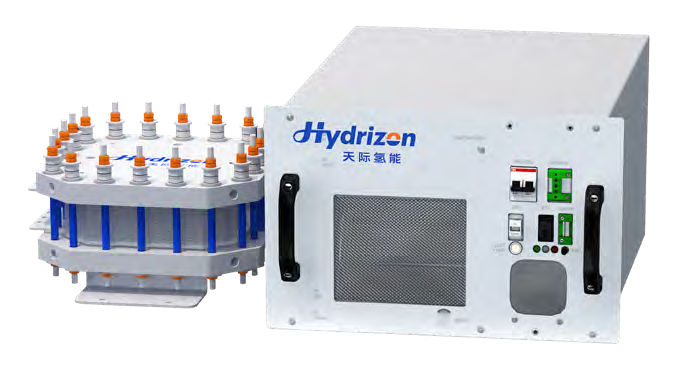
HI-Pro Green Hydrogen High-efficiency Production System-HI-PRO-AEM
Hydrizon Technology (Beijing) Co., Ltd.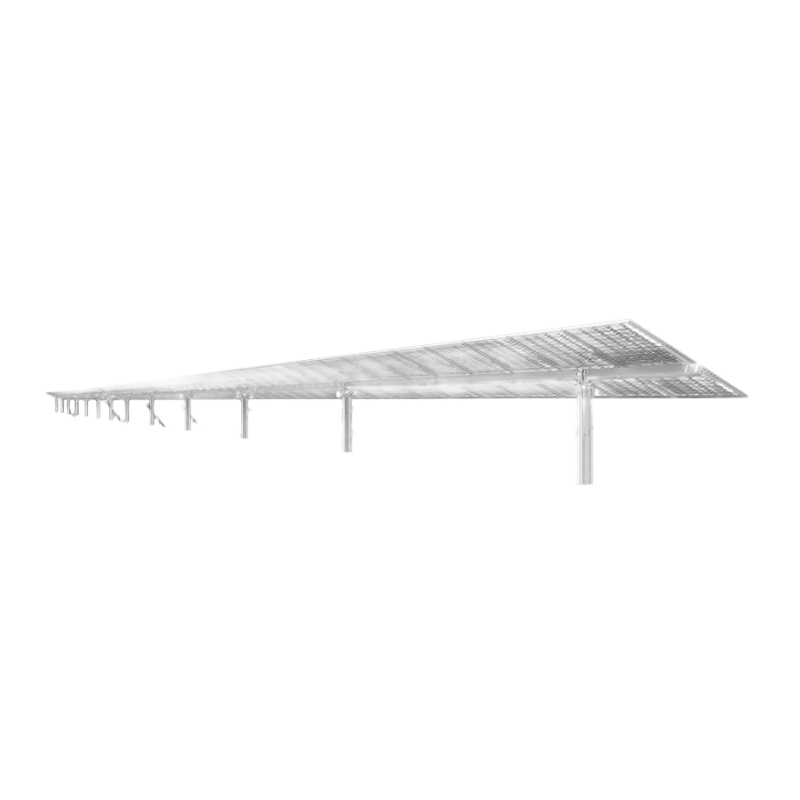
TAI Slew-drive Single-axis Independent 1P Tracking Bracket System
ANTAI TECHNOLOGY CO., LTD.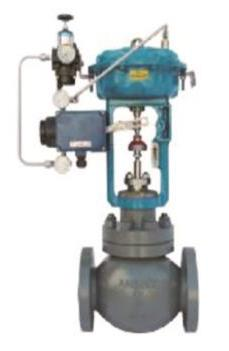
Quick-Change Single-Seat Control Valve / Quick-Change High-Pressure Single-Seat Control Valve
Beijing Consen Automation Technology Co., Ltd.
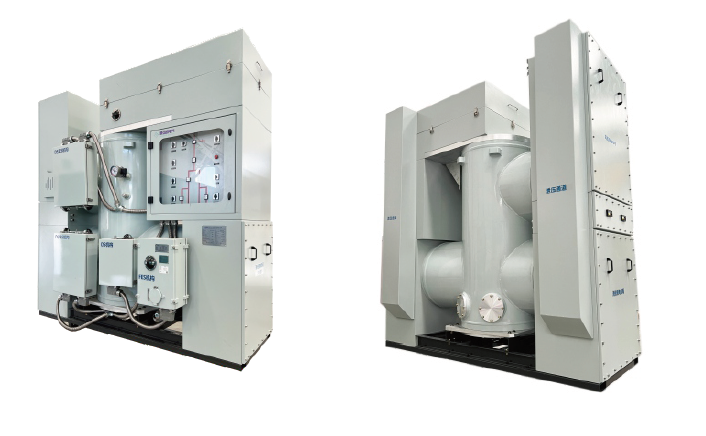
72.5kV 1250A 31.5kA SF6 free Gas-insulated Metal-enclosed Switchgear
Zhejiang Juhonkia Intelligent Electric Co., Ltd.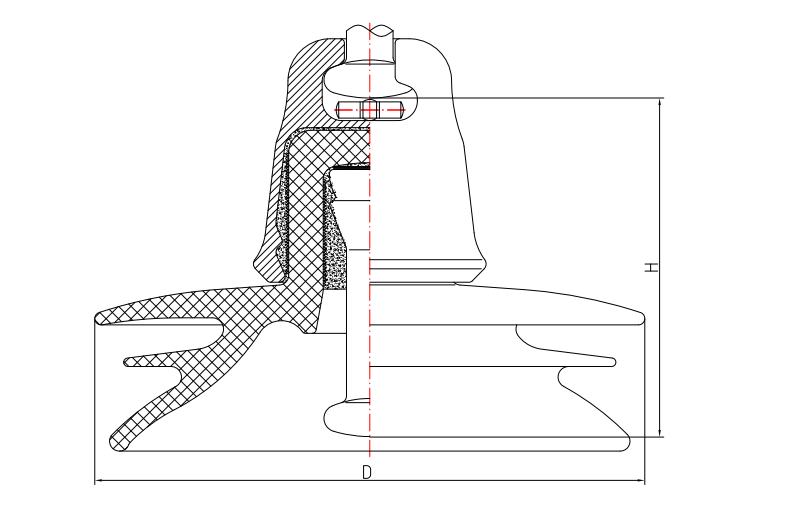
Post-type AC Pollution-resistant Disc Suspension Porcelain Insulator (Triple Umbrella Type)
Shandong High Voltage Insulator Co., Ltd.