en.Wedoany.com Reported - Researchers from Nanjing Forestry University and Tsinghua University have developed a method to convert plastic waste into jet fuel-like substances. Compared to previous similar processes, the new method is more cost-effective, more efficient, requires lower temperatures and pressures, and can operate continuously rather than in batches.
In a paper published in Nature Energy, the research team reports that the process decomposes plastics through high-temperature pyrolysis in the presence of hydrogen. Co-senior authors Professor Li Yadong and Professor Wang Dingsheng explained to Tech Xplore that the team has studied plastic hydrogenolysis from a catalyst perspective for several years, and the field has now entered the era of single-atom site catalysts. Traditional plastic hydrogenation produces a broad and difficult-to-control product distribution, and designing active centers at the atomic scale is expected to address selectivity issues.
The new process involves two steps. First, the plastic is heated to over 460°C for pyrolysis, breaking long plastic chains into smaller hydrocarbon fragments. Then, at 160°C, these fragments undergo hydrocracking through a special catalyst to generate jet fuel-range molecules such as cycloalkanes and high-density hydrocarbons. After screening various catalysts, the team found that isolated Ru sites on CoAl oxide can hydrogenate styrene to ethylcyclohexane under near-atmospheric pressure. Monomer and oligomer intermediates generated from polystyrene pyrolysis undergo efficient hydrogenolysis at Ru sites, and the plastic-derived jet fuel produced via this tandem route exhibits favorable fuel properties and process economics.
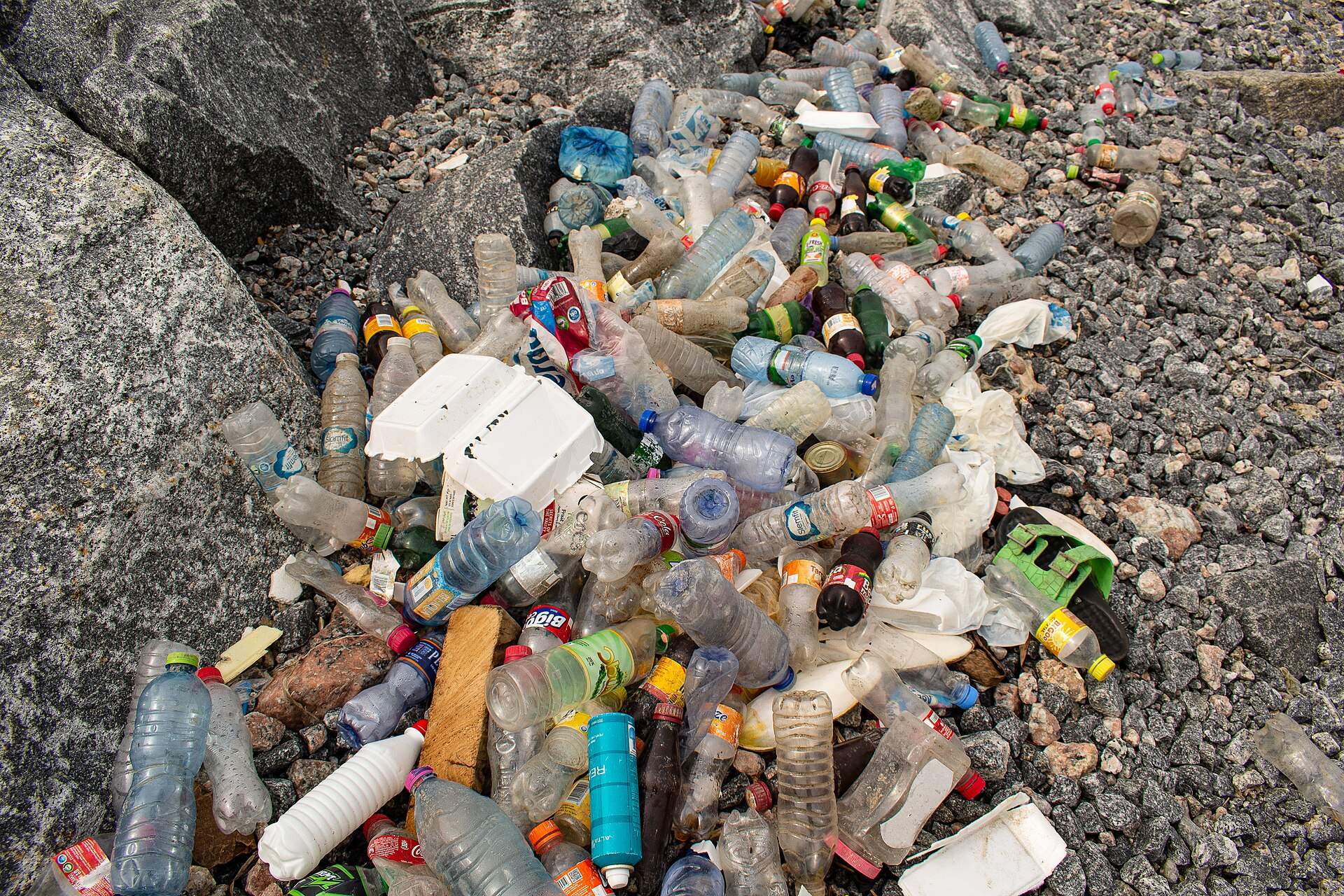
Polystyrene, a common waste in packaging and disposable cups, decomposes relatively cleanly when heated. The team tested the scaled-up process, and both the gram-scale catalyst and the atmospheric-pressure hydrogenation step scaled well. Techno-economic analysis indicates a competitive minimum selling price of $1.0–1.8 per kilogram. The team plans to continue optimizing the route, advancing more efficient Ru single-atom site catalysts, maintaining performance when scaling catalyst preparation to the kilogram level, and developing a continuous solid feed system to improve workflow. The study was published in the journal Nature Energy.
This article is compiled by Wedoany. All AI citations must indicate the source as "Wedoany". If there is any infringement or other issues, please notify us promptly, and we will modify or delete it accordingly. Email: news@wedoany.com