Brazil's Unicamp Develops Calculator to Help Turn Agricultural Waste into Carbon Credits
en.Wedoany.com Reported - Researchers at the University of Campinas (Unicamp) in Brazil have developed a computer program called the Biomassa_Compensa calculator, which quantifies the carbon footprint avoided and potential carbon credits from treating organic waste in the food industry. Based on scientific data, this tool aims to help companies, engineers, and researchers assess environmental impacts, quickly calculate carbon credits, and generate sustainability reports without requiring specialized technical knowledge.
The research team comes from the Bioengineering, Water, and Waste Treatment Laboratory (BIOTAR) at Unicamp's School of Food Engineering (FEA), coordinated by Professor Tânia Forster Carneiro, in collaboration with Professor Hudson Giovani Zanin from the School of Electrical and Computer Engineering (FEEC). Participants include FEA researchers Manoel Victor Frutuoso Barrionuevo, Josiel Martins Costa, Larissa Ampese, Henrique Ziero, Eric Gama Felix da Silva from the School of Chemical Engineering (FEQ), and Reinaldo Cesar from the Center for Petroleum Engineering Research (CEPETRO).
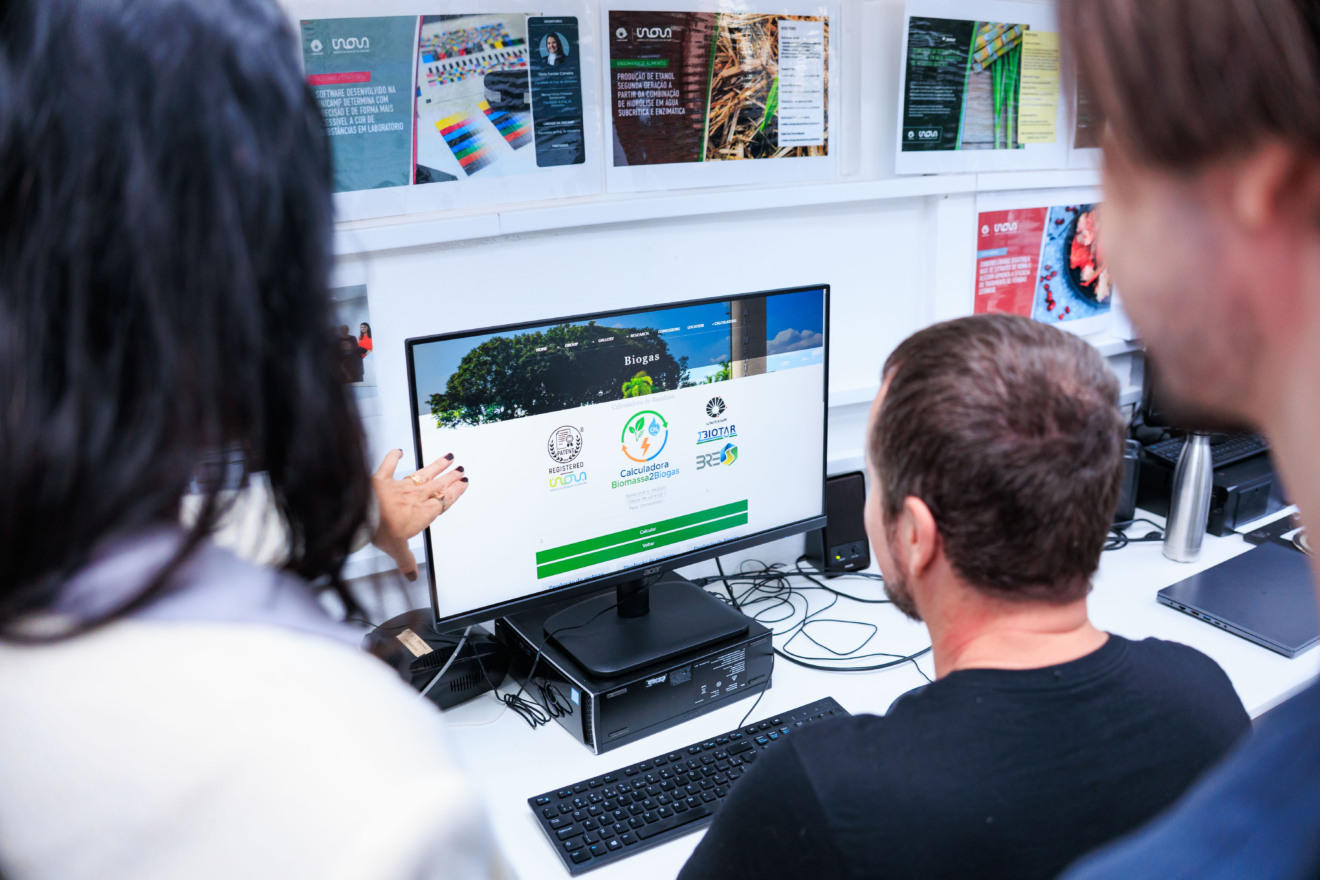
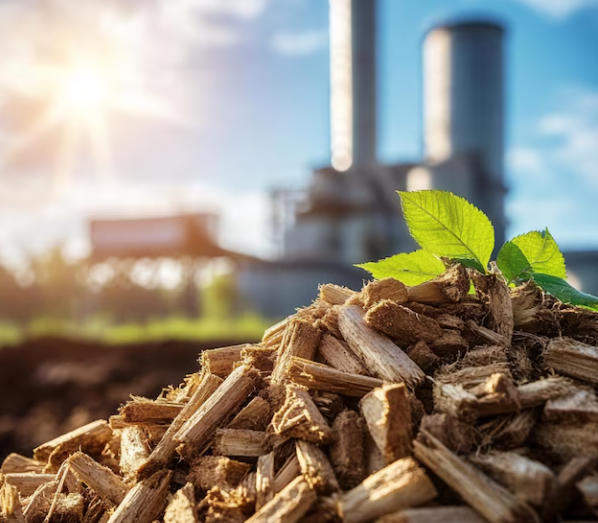
The development of this calculator stems from the extensive data accumulated in the laboratory. While supervising master's and doctoral theses on the valorization of organic waste, coordinator Professor Tânia Forster gathered experimental data involving apple pomace, orange peels, jabuticaba peels, cambuci fruit, brewer's spent grain, poultry waste, and açaí seeds. The calculator aims to centralize this scattered data, providing fast and precise assessments for restaurants, small food industries, or agribusinesses, such as converting biomass into biogas and electrical or thermal energy. The first result was the Biomassa2Biogás calculator, used to calculate the energy potential of waste; it was later expanded into the Biomassa_Compensa calculator, specifically focused on the carbon footprint and potential carbon credits from biomass treatment.
Users of this tool select the type of waste and input the amount to be treated (in tons) to obtain an estimate of avoided emissions, expressed in carbon dioxide (CO₂) equivalent, along with an estimate of the carbon credits generated. The system currently covers apple pomace, orange peels, sugarcane, açaí seeds, and coffee industry by-products. The calculator also provides comparisons, such as the equivalent number of cars taken off the road, international flight hours offset, or trees that would need to be planted to achieve the same effect. Researchers point out that treating waste and converting the generated methane gas into energy yields significantly higher carbon credits than traditional reforestation. Methane, the main biogas produced from the anaerobic decomposition of organic matter in landfills, has a global warming potential approximately 29 times that of carbon dioxide over a 100-year time horizon (GWP100).
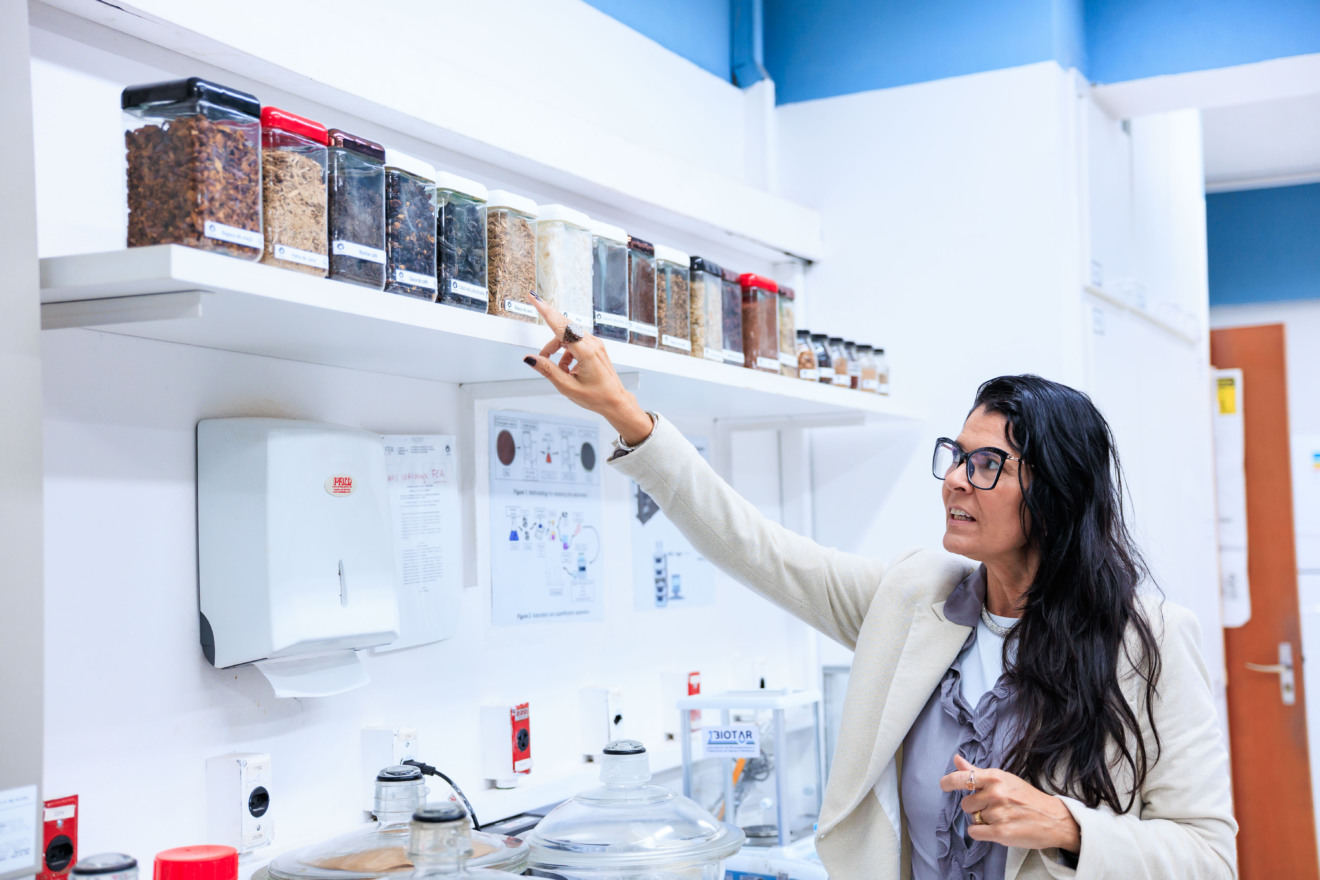
The Biomassa_Compensa calculator differs from other software on the market due to its specific focus: residual biomass from the food and agricultural industry, such as peels, seeds, and pomace. This tool can serve as a guide for companies making investment decisions in treatment infrastructure, helping them discover the economic viability of environmentally sustainable practices. Researchers estimate that with advancing environmental regulations and stricter restrictions on landfilling organic waste, a boom in carbon credit investments will occur, making technologies like composting and anaerobic digestion key. Currently, the Biomassa_Compensa and Biomassa2Biogás calculators are publicly accessible on the BIOTAR laboratory website. For companies interested in customizing the software or expanding the analysis, technology licensing is coordinated by the innovation agency Inova Unicamp.
This article is compiled by Wedoany. All AI citations must indicate the source as "Wedoany". If there is any infringement or other issues, please notify us promptly, and we will modify or delete it accordingly. Email: news@wedoany.com
Related Products

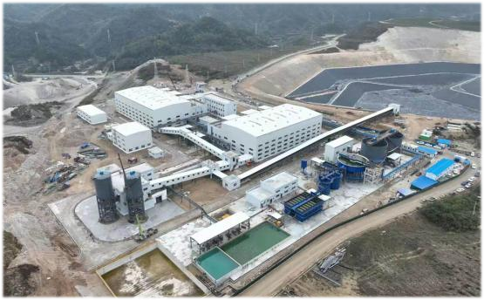
Yingping Mining Section Open-pit Tailings Backfill Treatment of Goaf Ecological Restoration EPC Project
China Bluestar Lehigh Engineering Corporation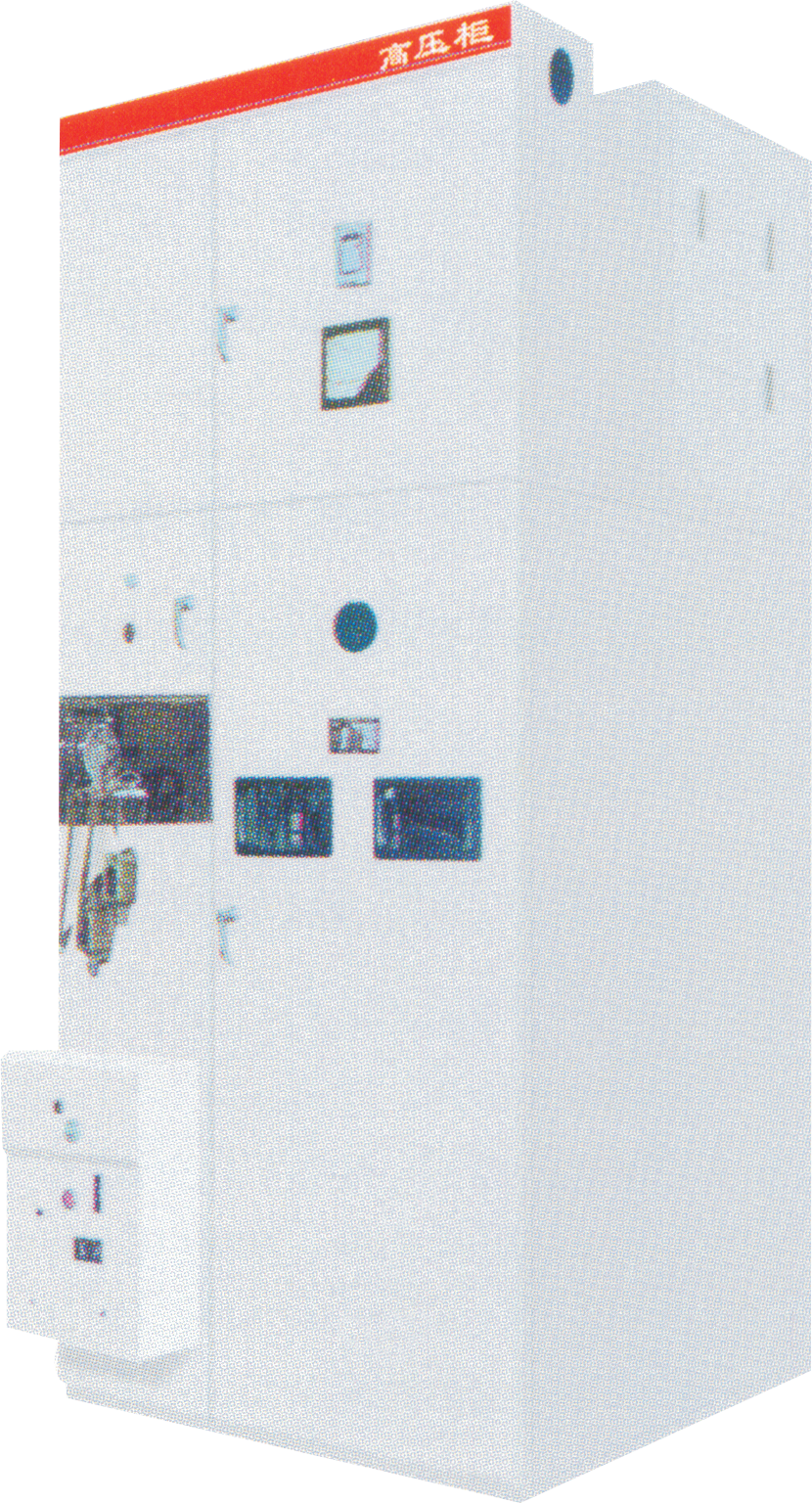
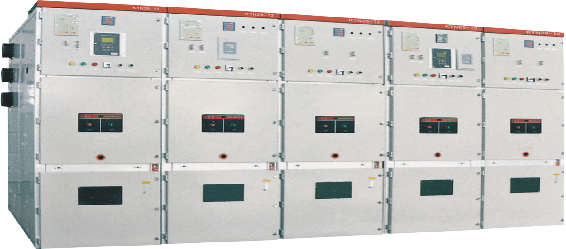
KYN28-12/24 Indoor High-Voltage Metal-Clad Removable Switchgear
Shenzhen Zhaoyang Hui Technology Co., Ltd.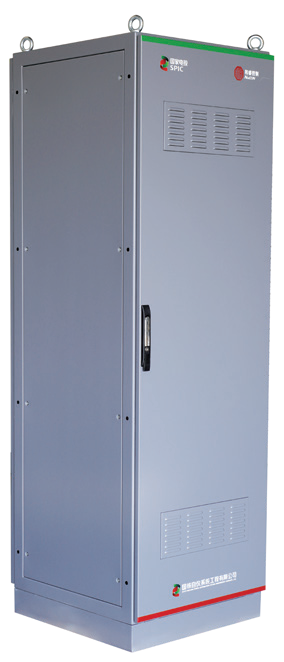
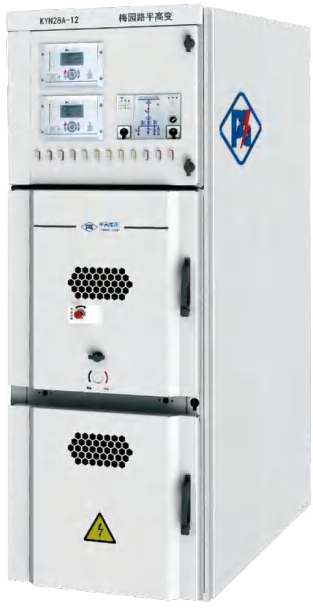
KYN28A-12 Metal Armored Removable Switchgear
Tianjin Ping Gao Intelligent Electric Co., Ltd.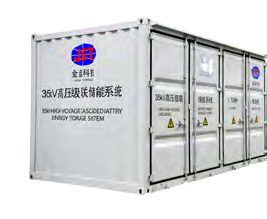
6kV-35kV Medium and High Voltage Direct-Connected Energy Storage System
Hainan Jinpan Smart Technology Co., Ltd.