en.Wedoany.com Reported - Russia's aviation regulatory authority has issued a type certificate for the PD-8 turbofan engine developed by the United Engine Corporation, formally approving the model for mass production and concluding its certification activities.
This certification confirms that the PD-8 engine meets airworthiness standards and achieves all published performance indicators, marking a key milestone in integrating the engine into Russia's next-generation civil aircraft. The PD-8 is designed to power the modified SJ-100 regional aircraft and replace the Ukrainian-supplied D-436TP engine on the Beriev Be-200 amphibious aircraft.
The engine's development and testing program has accumulated over 6,500 flight hours and ground test hours, covering icing, low-temperature operation, wet runway performance, and beyond-design flight conditions. Mass production is being prepared within the United Engine Corporation's distributed manufacturing architecture, with UEC-Saturn serving as the main integrator for mass production and module assembly.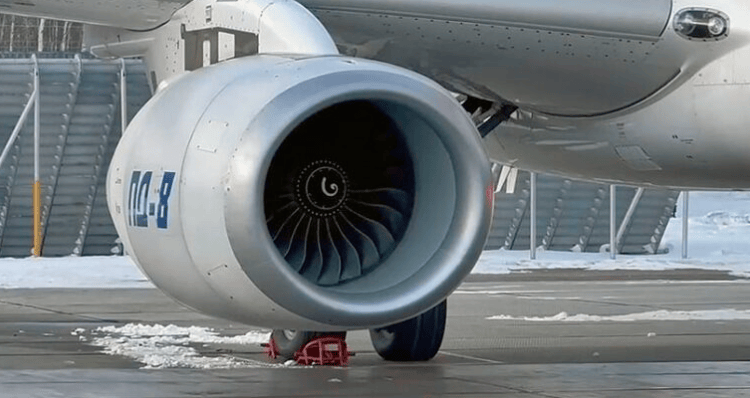
According to official information, the PD-8 integrates approximately 25 advanced technologies and about 17 new engineering solutions, with increased reliance on domestically sourced materials and components. In addition to the SJ-100 and Be-200, this certification supports the development of derivative variants with higher and lower thrust levels, with conceptual products including an approximately 10-tonne thrust engine for business aviation and the PD-8V turboshaft engine for heavy helicopters such as the Mi-26.
This certification removes a key constraint in the development of the SJ-100 program and establishes a technical foundation for resuming production of the Be-200. Previously, Be-200 production was long restricted due to the lack of a certified domestic engine option. In the long term, this certification may prompt a reassessment of earlier transport platforms, but ultimately depends on economic feasibility and specific decisions at the aircraft program level.
This article is compiled by Wedoany. All AI citations must indicate the source as "Wedoany". If there is any infringement or other issues, please notify us promptly, and we will modify or delete it accordingly. Email: news@wedoany.com