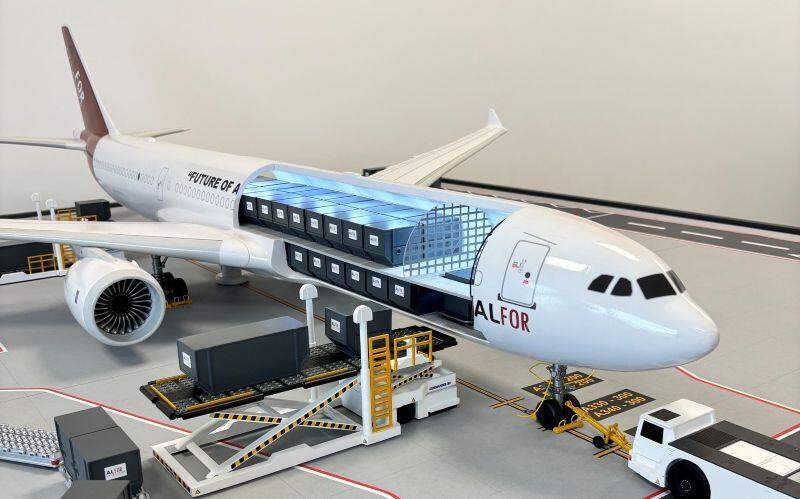
en.Wedoany.com Reported - Airbus is close to finalizing a major widebody aircraft order with Scandinavian Airlines (SAS). The airline is expected to procure a mix of Airbus A330neo and Airbus A350 aircraft, involving 15 to 20 jets. According to Bloomberg, the agreement could be finalized in the coming weeks, with deliveries scheduled for the early 2030s, marking one of the most significant long-haul fleet decisions by a European airline this year.
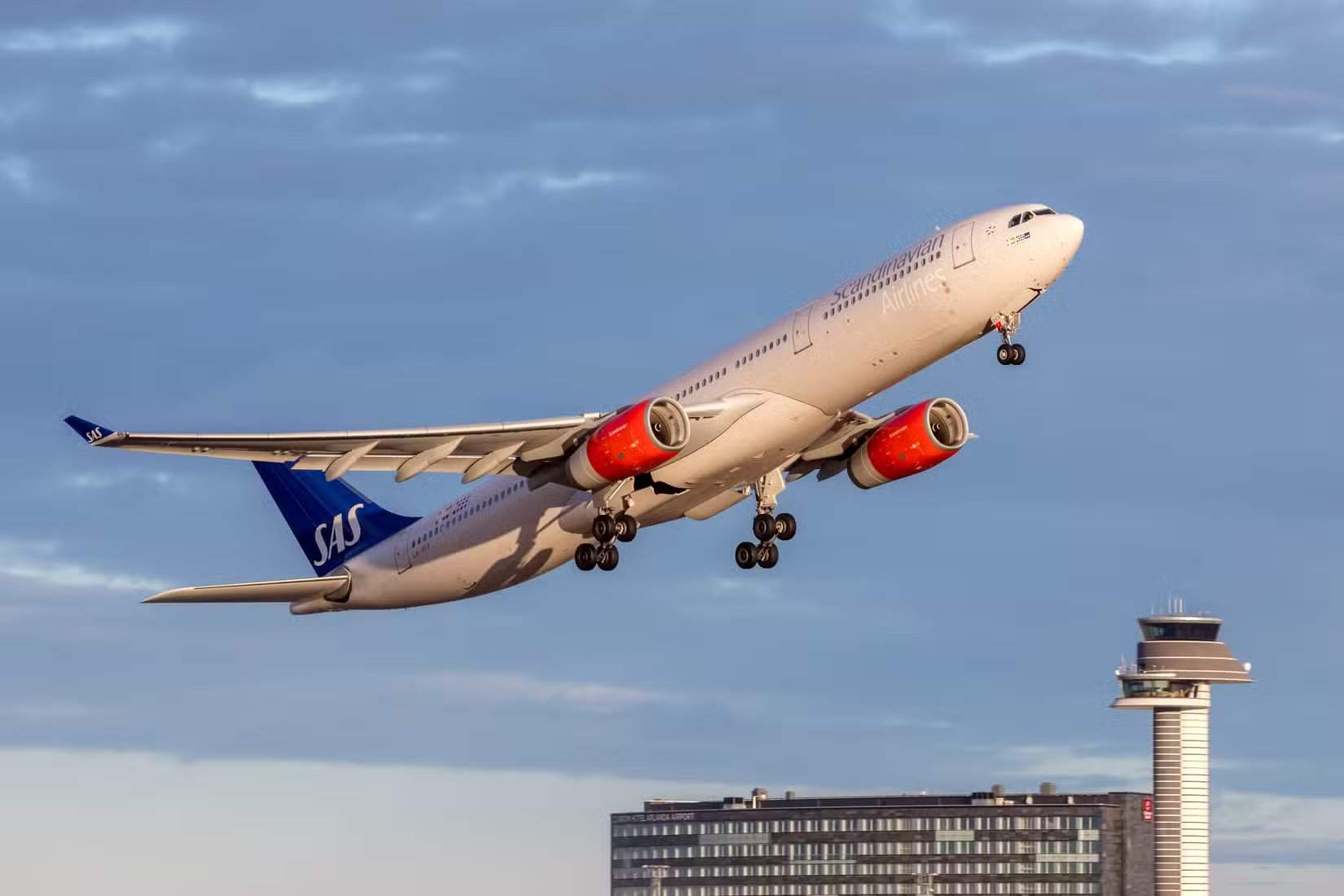
This deal underscores Airbus's strong position within SAS's fleet. SAS ultimately leans toward Airbus to maintain fleet commonality and reduce operating costs, a factor increasingly important for airlines seeking efficiency amid rising expenses and ongoing supply chain challenges. Given SAS's existing long-haul operations, this outcome is not surprising. The airline currently operates an all-Airbus widebody fleet, including Airbus A350-900s and older Airbus A330 aircraft. Choosing Airbus again will allow the carrier to leverage existing pilot training programs, maintenance infrastructure, spare parts inventory, and operational processes, rather than introducing a new aircraft family.
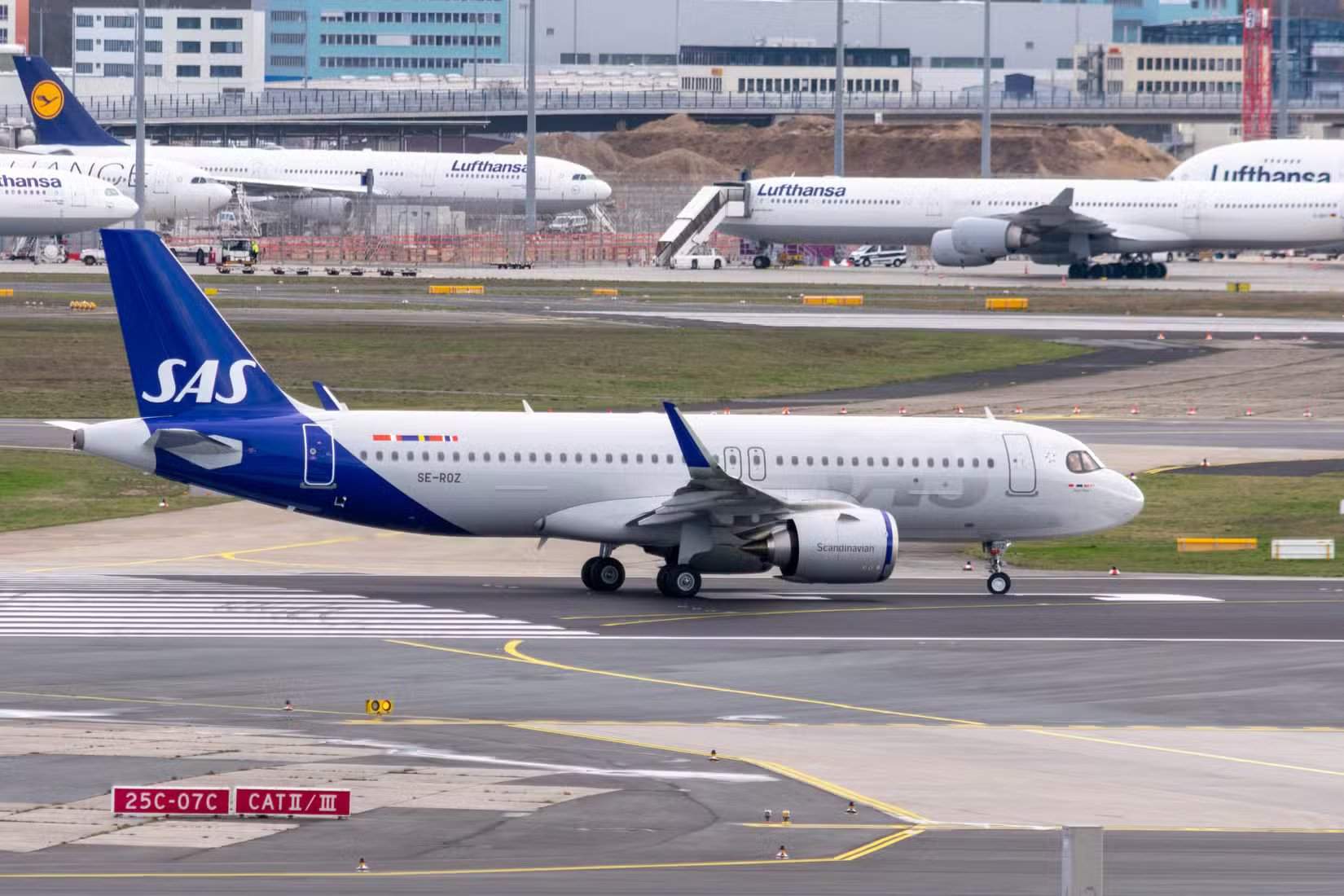
Although the Boeing 787 remains one of the world's most successful long-haul aircraft and the 777X offers significant capacity growth potential, introducing either model would add complexity to SAS's fleet structure. For an airline focused on orderly expansion, fleet commonality likely provides a compelling advantage. According to SAS's 2026 fleet data, the airline operates a total of 72 aircraft, including four Airbus A319-100s, five Airbus A320-200s, 46 Airbus A320neos, three Airbus A321LRs, eight Airbus A330-300s, and six Airbus A350-900s.
SAS has not hidden its ambition to expand intercontinental routes. In February, CEO Anko van der Werff confirmed that the airline was studying a large-scale widebody aircraft procurement to capitalize on growing long-haul travel demand. At the time, he stated that both Airbus and Boeing were under consideration. Since then, the carrier has continued to strengthen its long-haul strategy. Following Air France-KLM's investment in the company and SAS's transition to the SkyTeam alliance, the airline has announced several new intercontinental routes from Copenhagen, increasingly positioning the city as a key transit hub.
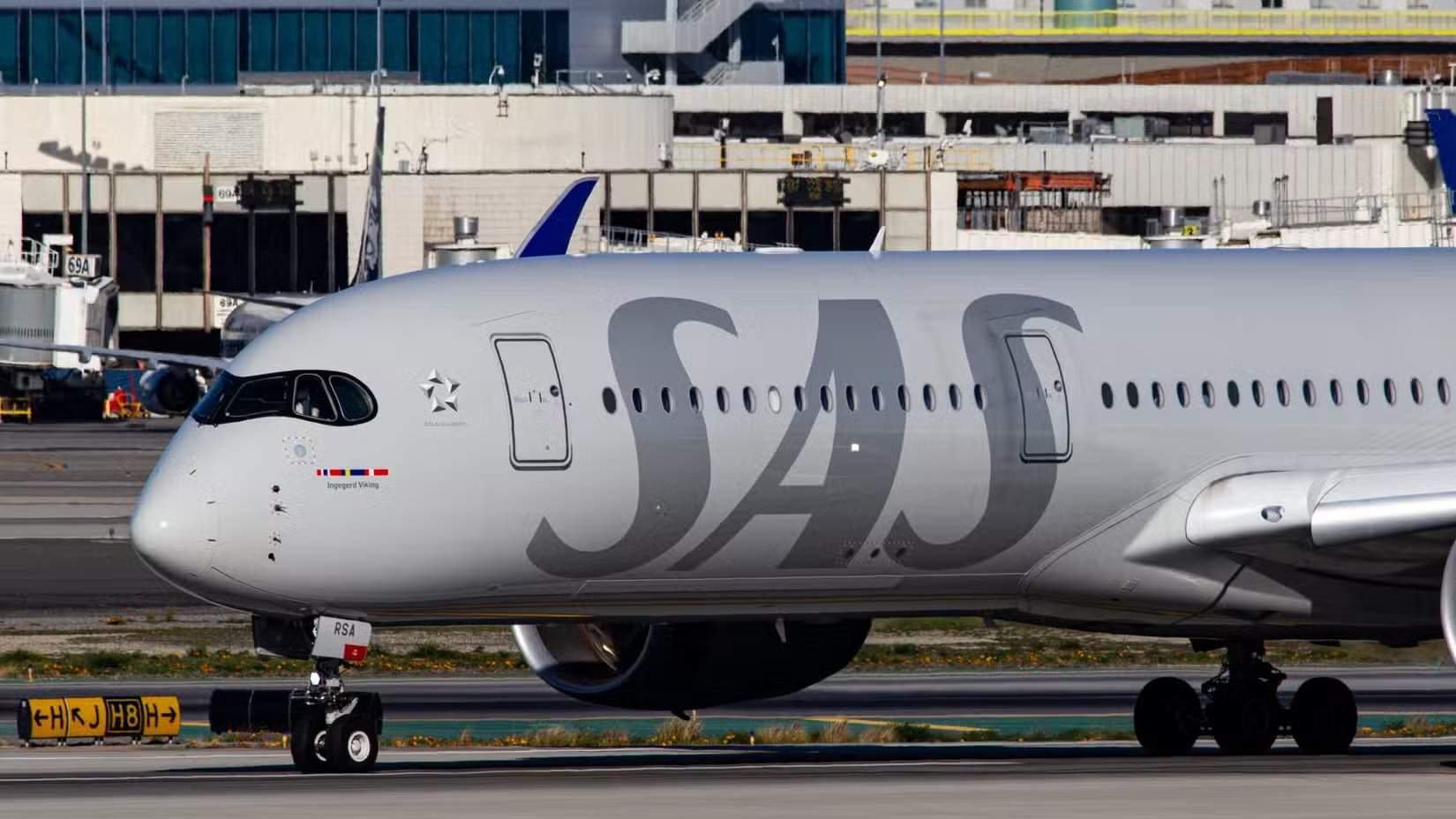
The reported aircraft mix also suggests that SAS is seeking flexibility rather than a one-size-fits-all solution. The A330neo offers lower acquisition costs and good economics on medium-to-long-haul routes, while the larger A350 provides greater range and passenger capacity for high-demand markets. Combining both will allow the airline to more effectively match capacity across its diverse route network. Industry-wide delivery shortages may have also influenced the timing of the deal. As international travel demand continues to recover and grow, airlines worldwide are increasingly locking in scarce production slots for new widebody aircraft years in advance.
For Airbus, securing the SAS order would add a significant customer commitment to its already substantial widebody backlog. Demand for the A350 and A330neo families remains strong as airlines seek more fuel-efficient aircraft to replace older models. The deal would also solidify Airbus's position in Northern Europe, where SAS is one of the most recognized airline brands. Although Boeing remains a major player in the long-haul market, particularly with the 787, the reported decision highlights the growing importance of fleet simplification as airlines evaluate future aircraft purchases.
Neither Airbus nor SAS has publicly confirmed the reported order negotiations. Reuters noted that both companies declined to comment immediately when contacted regarding the Bloomberg report. If finalized, this procurement would provide SAS with a modernized widebody fleet for the next decade while strengthening Airbus's influence over one of Europe's largest airline groups. More importantly, it would give the Scandinavian carrier the aircraft capacity needed to support its long-haul ambitions as international travel demand continues to evolve through the 2030s.
This article is compiled by Wedoany. All AI citations must indicate the source as "Wedoany". If there is any infringement or other issues, please notify us promptly, and we will modify or delete it accordingly. Email: news@wedoany.com