en.Wedoany.com Reported - On January 26, 2026, Southwest Airlines officially ended its 54-year tradition of open seating, with the last flight without assigned seats flying from Honolulu to Los Angeles. This decision, driven by financial realities and pressure from activist shareholders, marks the airline's abandonment of its iconic operational model.
In fiscal year 2024, the company achieved $27.5 billion in operating revenue, but adjusted net profit declined sharply, revealing a structural revenue gap. Ending open seating is a core measure of its profitability reform, also including increased baggage fees and cabin layout restructuring, reflecting low-cost carriers abandoning traditions to ensure financial survival in a highly competitive market.
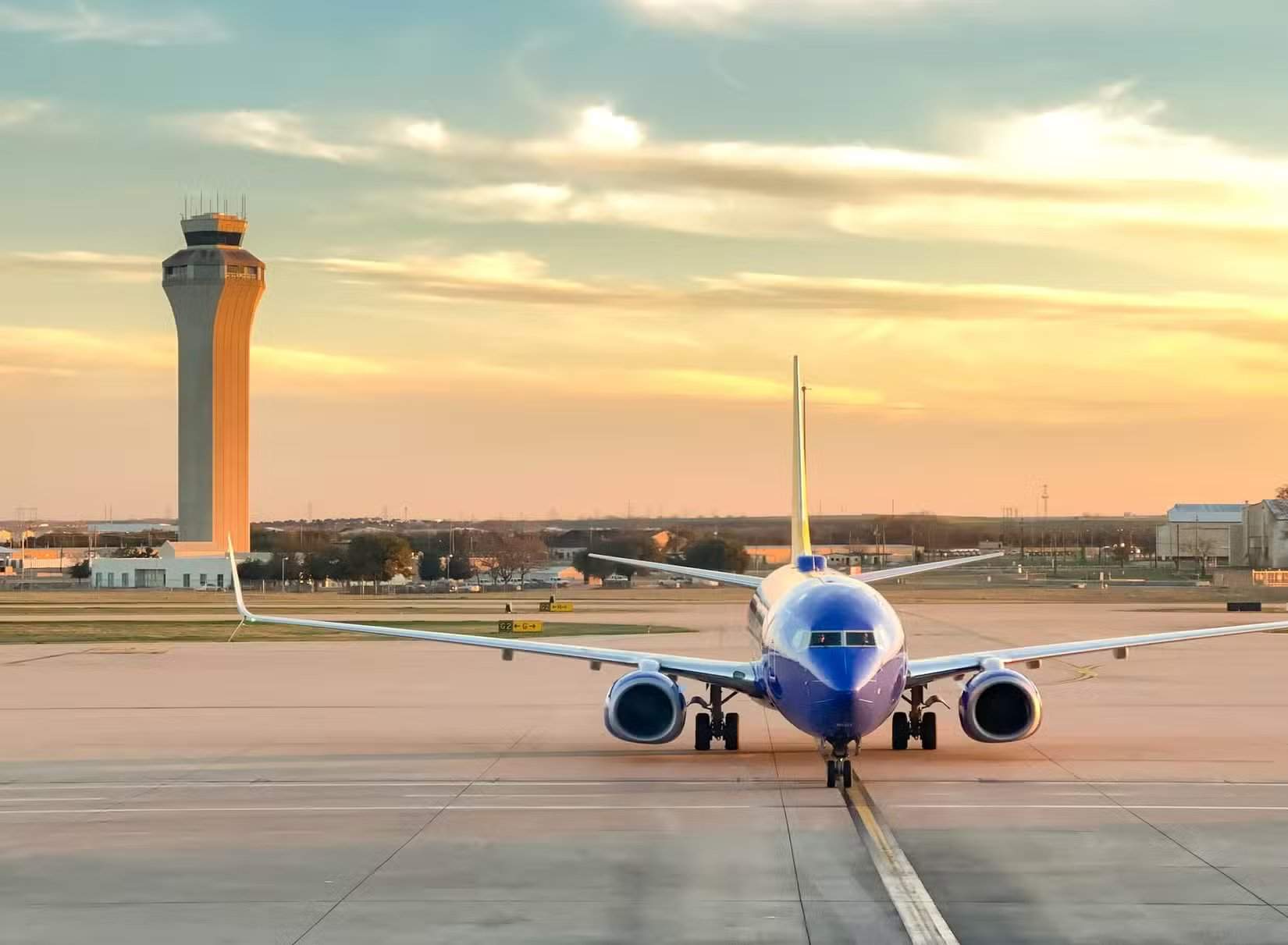
Internal research shows that 80% of existing passengers and 86% of potential travelers prefer pre-assigned seats, with the anxiety of open boarding cited as the primary reason for customer churn. Southwest once viewed unassigned seating as a core cultural asset, but changes in the modern travel demographic have made open seating an operational friction point rather than a differentiator. As market share eroded, management recognized that clinging to outdated concepts was alienating high-yield customers, with major competitors expanding their advantage through basic economy and premium products.
From 2018 to 2023, major domestic competitors collectively collected $12.4 billion in exclusive seat assignment fees, revenue Southwest could not capture due to its open seating model. After observing competitors charging $5.5 billion in checked baggage fees in the first nine months of 2023, the company abandoned its free baggage policy in 2025, and in April 2026 further raised the fee for the first checked bag to $45 and the second to $55. By converting the cabin into a monetizable grid, Southwest established a stable secondary revenue stream.
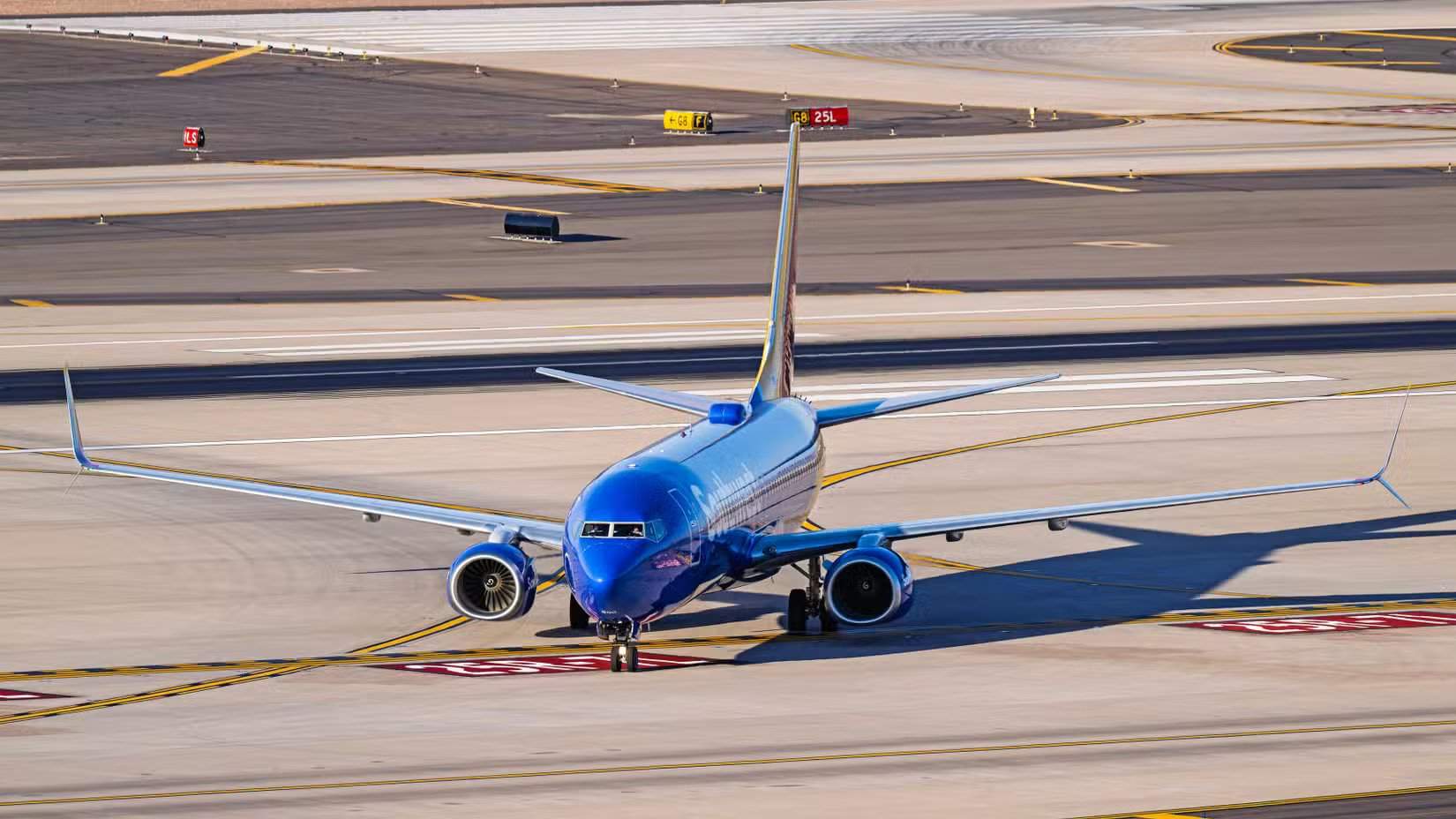
Company financial projections indicate that introducing assigned seating and premium seat configurations will generate $1.5 billion in standalone seat revenue annually, a key driver of the projected $4.3 billion increase in total operating profit. The commercial restructuring aims to boost revenue per available seat mile by 9.5%, more than tripling net profit compared to 2025. The new strategy systematically segments passenger demand into four categories: Basic, Choice, Choice Preferred, and Choice Extra, with approximately one-third of the cabin layout allocated to seats with greater legroom, offering up to 34 inches of pitch.
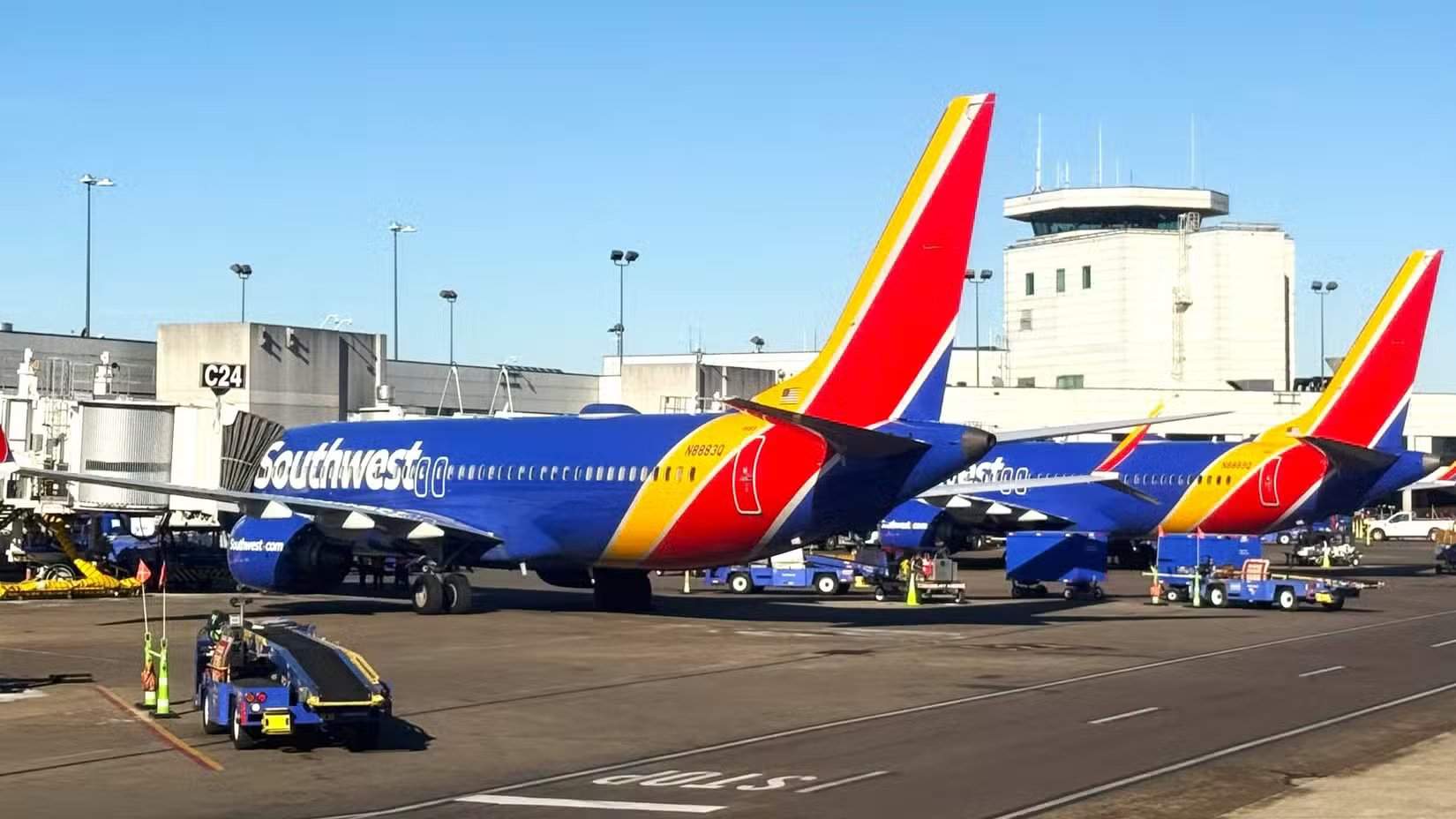
The airline conducted over 8 million simulated boarding tests to quantify the impact of assigned seating on turnaround times. Simulation results showed that traditional open seating had a turnaround time of 20 to 25 minutes, assigned zone boarding took 23 to 27 minutes, and traditional back-to-front assigned boarding took 28 to 32 minutes. The improved zone boarding framework aims to preserve the airline's quick turnaround tradition, ensuring the fleet maintains efficiency of five to seven flight segments per day.
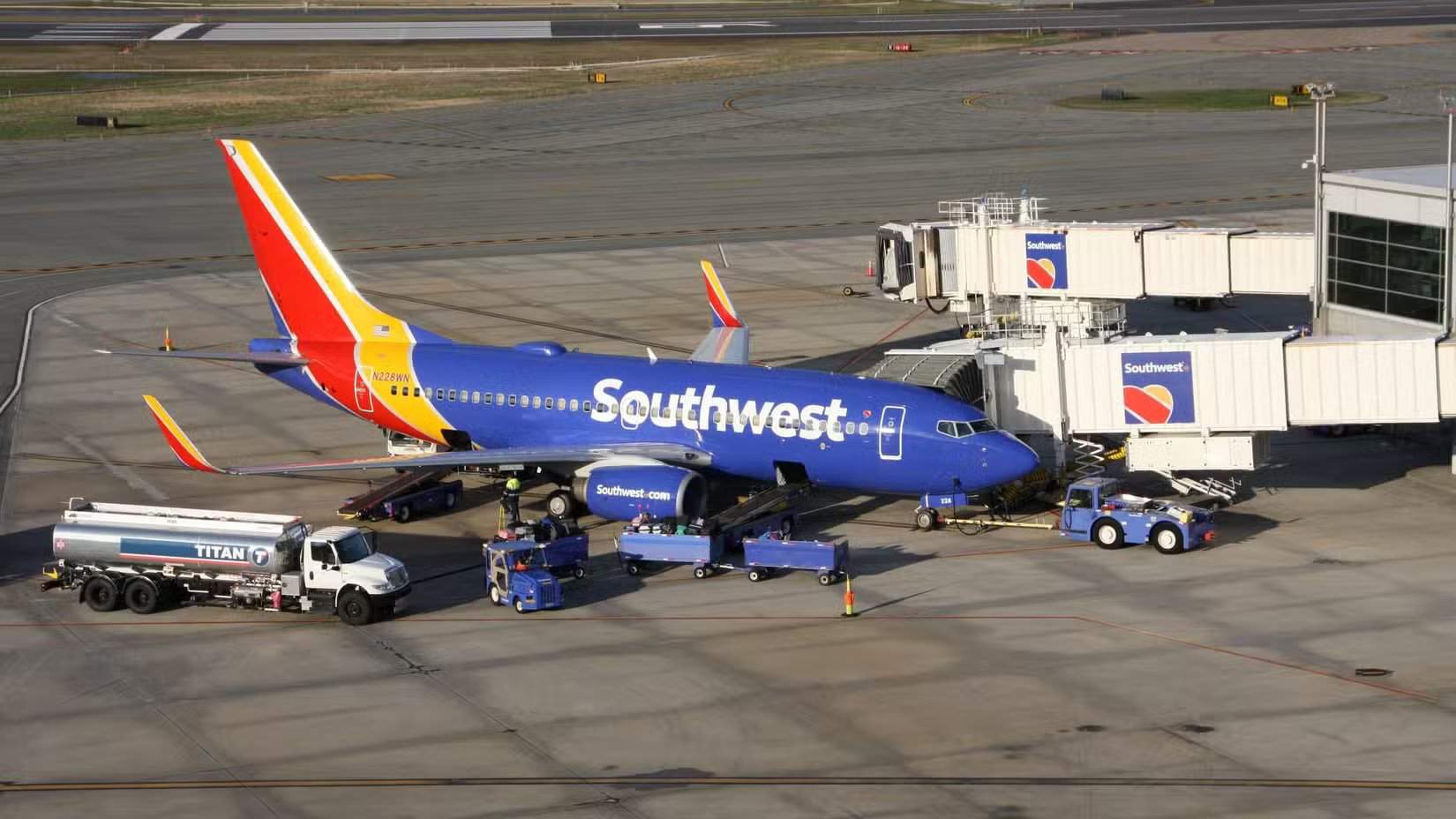
Elliott Investment Management, after accumulating a 16% stake, actively intervened, securing five board seats and accelerating structural modernization such as ending open seating and free baggage. The firm used corporate leverage to force the implementation of a high-speed optimization strategy, later reducing its stake to 9% after the transition, with two activist directors resigning. This board pressure indicates that long-standing brand identity cannot withstand stagnant net profit, and the egalitarian cabin once cherished by traditional executives ultimately gave way to revenue considerations.
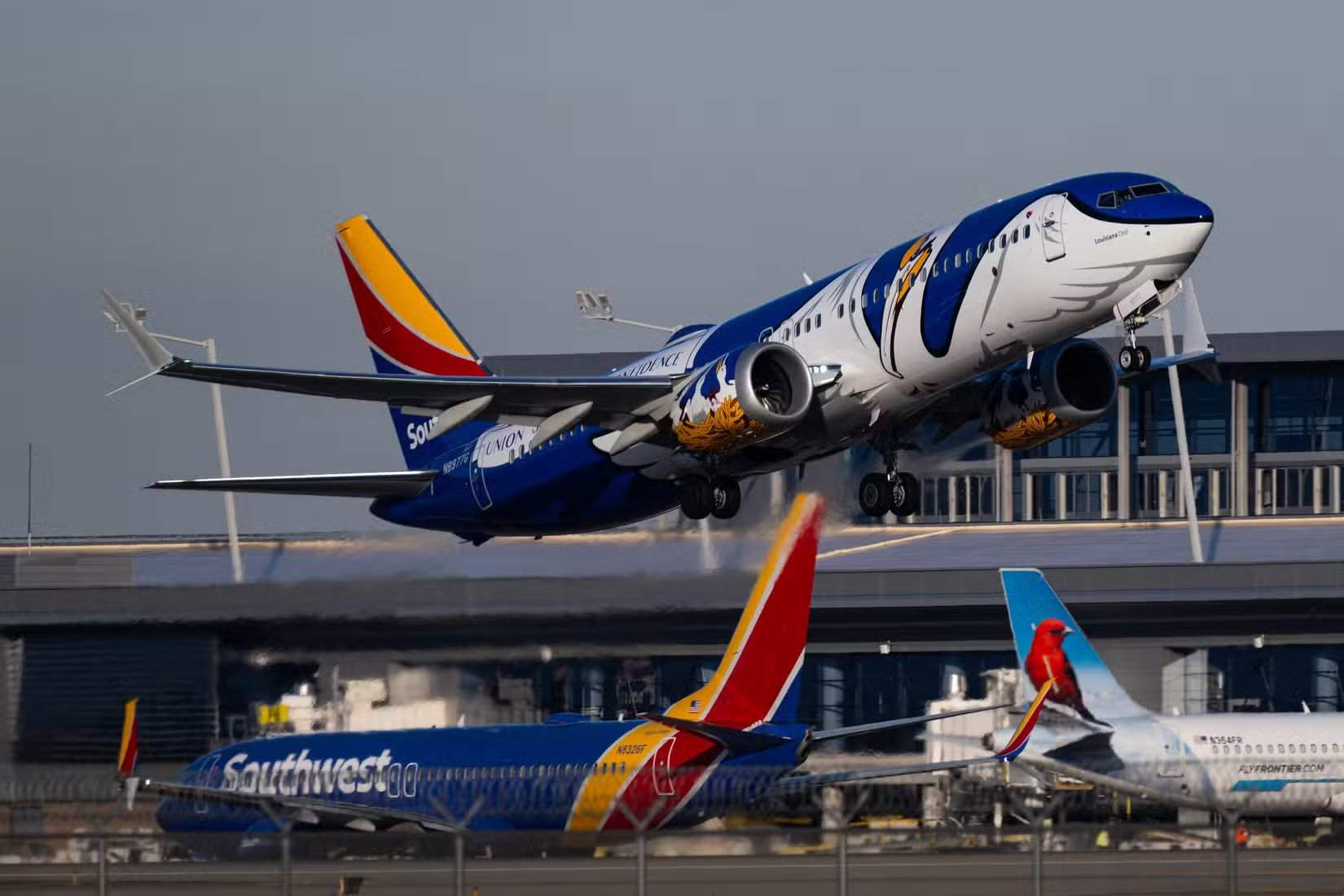
The implementation of assigned seating had a direct operational impact on the company's historic "Customer of Size" policy, with a June 2026 operational update restoring the original policy without charging passengers extra. Southwest also canceled 11 international routes across Mexico, Jamaica, and Costa Rica, and exited Chicago O'Hare Airport to protect core domestic utilization metrics. The demise of open seating became a decisive threshold where corporate survival outweighed pioneering traditions.
This article is compiled by Wedoany. All AI citations must indicate the source as "Wedoany". If there is any infringement or other issues, please notify us promptly, and we will modify or delete it accordingly. Email: news@wedoany.com