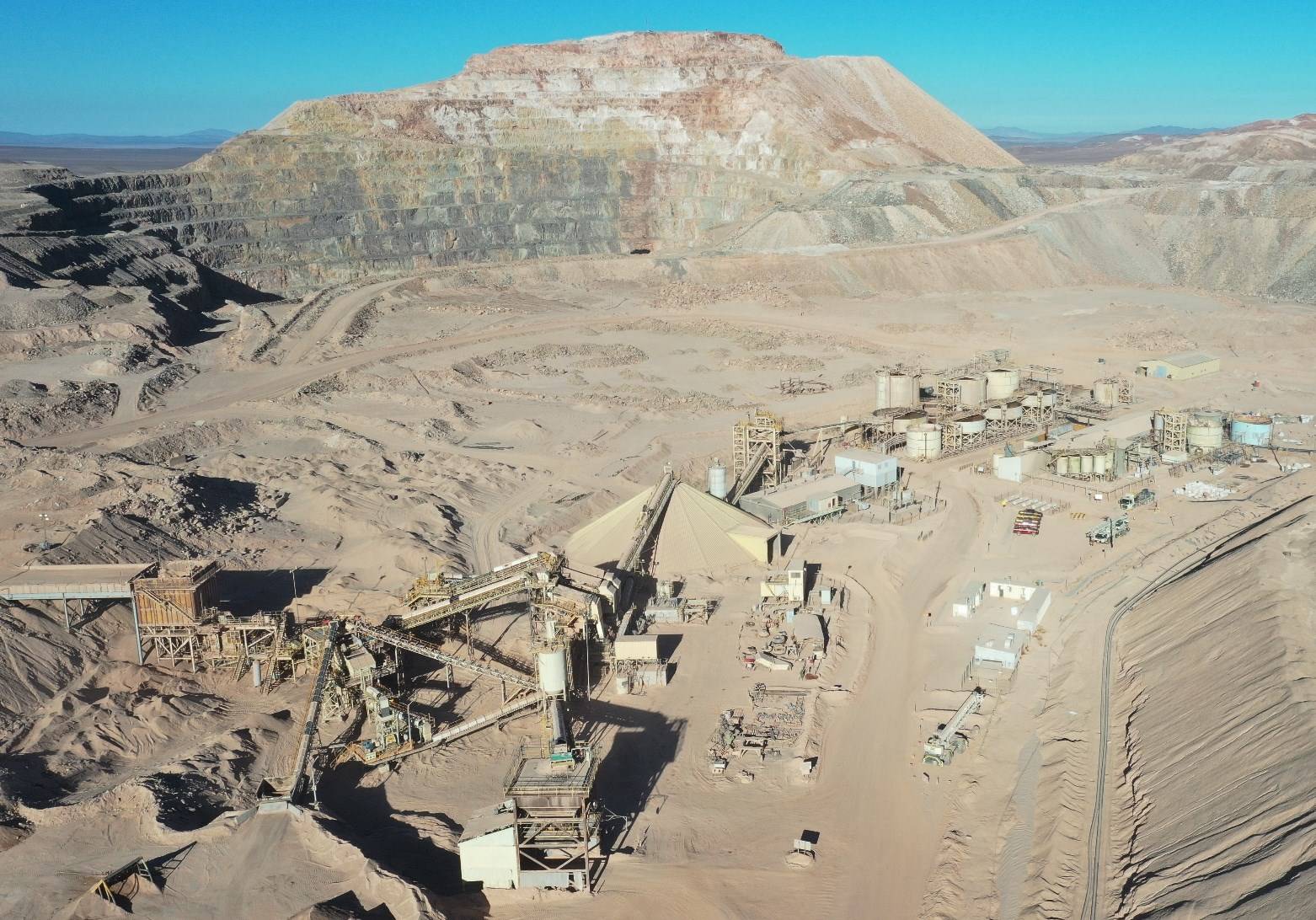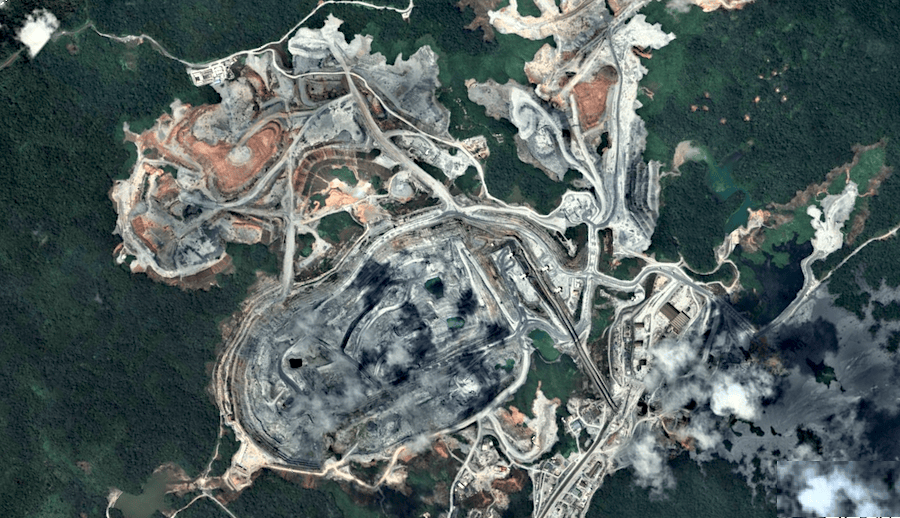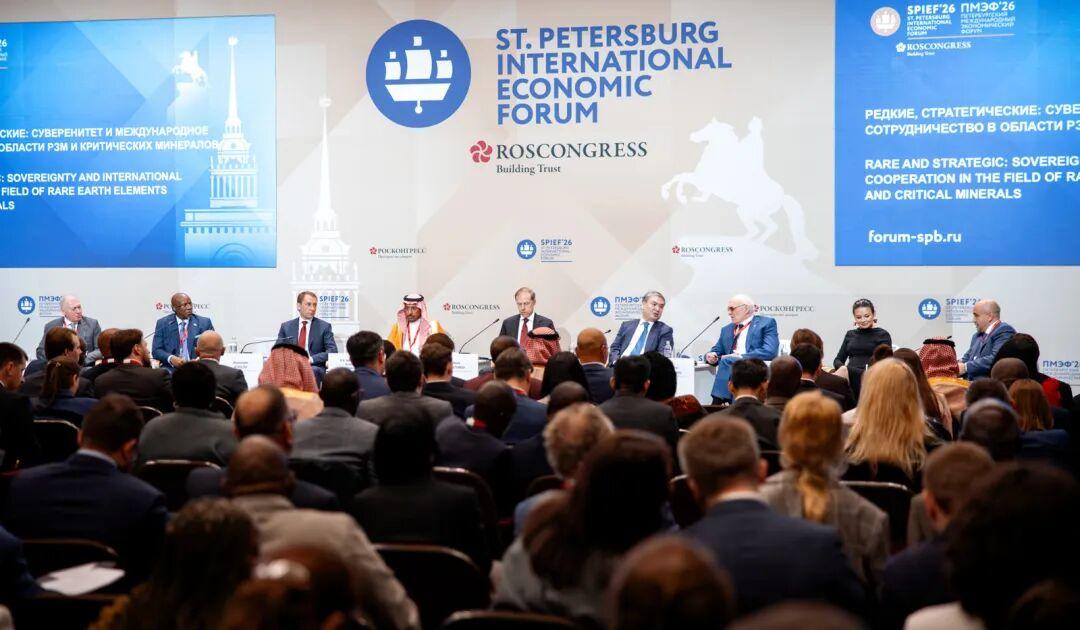
en.Wedoany.com Reported - The Angara-Yenisei deep processing cluster for non-ferrous, rare, and rare-earth metals became one of the core applied topics at the St. Petersburg International Economic Forum session "Rare, Strategic: Sovereignty and International Cooperation in Rare Earth and Critical Minerals." The project was presented as one of the tools to help Russia build a critical metals industry—from resource base development and primary processing to the production of high-value-added materials, components, and products. More broadly, this involves a transition to a new economic model where the main added value is created domestically.
Participants in the discussion included Russian First Deputy Prime Minister Denis Manturov, Saudi Minister of Industry and Mineral Resources Bandar bin Ibrahim Al-Khorayef, Russian Minister of Natural Resources and Ecology Alexander Kozlov, Rector of St. Petersburg Mining University Vladimir Litvinenko, Sierra Leone Minister of Mines and Mineral Resources Julius Mattai, General Director of International Company "Region" Vladislav Sviblov, President of the "Soyuz" Group Musa Bazayev, Director of Technology Development at Rosatom Andrey Shevchenko, Vice President of Rusal Elena Bezdenezhnykh, along with other representatives from government, business, scientific, and expert communities. The "Mendeleev Valley" Foundation—the project office of the Angara-Yenisei Cluster—was represented by General Director Ksenia Shoigu.
Rare and rare-earth metals have become one of the most discussed topics on the industrial agenda of the 2026 St. Petersburg International Economic Forum. Today, critical minerals are seen not only as a raw material base but also as the foundation of a new technological structure: electronics, energy storage systems, electric mobility, unmanned systems, space technology, high-precision mechanical engineering, robotics, and new materials.
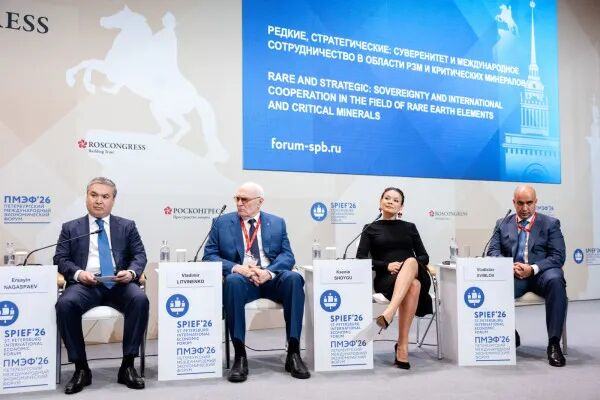
Russian First Deputy Prime Minister Denis Manturov noted: "Today, it is impossible to imagine the production of high-tech products—from basic industry to microelectronics and medical equipment—without rare and rare-earth metals. For Russia, which faces goals of import substitution and technological sovereignty, it is not enough to simply extract raw materials and produce concentrates. We must have our own separation technologies, produce oxides, carbonates, and high-value-added products, including permanent magnets and other components needed by modern industry."
In the global economy, competition in this field is gradually shifting from access to mineral deposits to control over the entire production chain—from extraction and processing to obtaining materials, components, and final high-tech products.
Saudi Minister of Industry and Mineral Resources Bandar bin Ibrahim Al-Khorayef pointed out: "Resources alone are no longer enough today: technology, investment, products, and complete production chains are also needed. The development of the mineral resource industry will depend on international cooperation, science, technology, and human capital."
For Russia, the issue of rare-earth metals is directly linked to technological sovereignty and the creation of new high-value-added industries domestically. Therefore, it is at the center of state policy.
Russian Minister of Natural Resources and Ecology Alexander Kozlov stated that Russia possesses one of the world's largest raw material bases for rare-earth metals, capable of meeting the needs of both domestic consumers and export supplies. At the same time, since 2024, licenses for deposits of scarce mineral raw materials have been issued with a mandatory condition for deep processing within Russia.
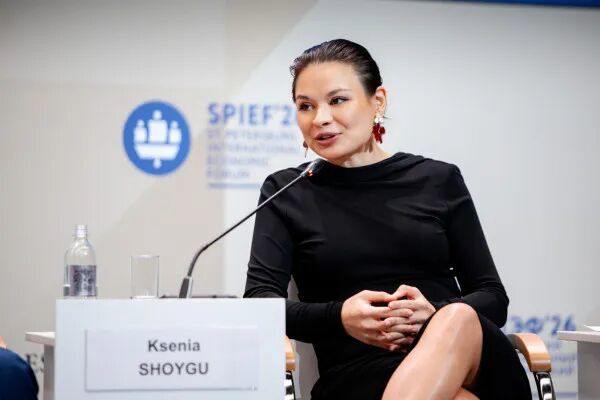
The Angara-Yenisei Cluster was presented as one of the pillar projects for implementing state industrial policy in the critical metals sector. The project aims to fulfill the instructions of the Russian President and should integrate key links of the industry: the raw material link based on mineral resources; the energy link to support new production facilities; the processing and chemical technology link for the separation and purification of rare and rare-earth metals; the manufacturing link for producing materials and components; and the scientific, engineering, and human resources link for technology development and personnel training.
Ksenia Shoigu explained: "The importance and scale of the task set by the Russian President regarding the development of deep processing of domestic critical metals determine the working methods and pace of the Angara-Yenisei Cluster. In six months, the project has entered the practical implementation phase. A nationwide cooperation system is being formed, along with a strong cohort of participants consisting of large industrial companies, state corporations, financial, scientific, and educational institutions, as well as federal and regional government bodies. The partner base has been formed in the first six months. We already have 17 agreements, including those signed at the 2026 St. Petersburg International Economic Forum. These agreements form the industrial, energy, financial, digital, scientific-technological, regional, and ecological contours of the cluster. The investment portfolio exceeds 700 billion rubles. The first production facilities are planned for Minusinsk and Sayanogorsk: a hydrometallurgical plant for processing concentrate from the Tastyg deposit, a small chemical plant, and a data processing center. Construction of an innovation and technology center will also begin this year, which will serve as an application base for raw material separation technologies, electric mobility, energy storage devices, additive technologies, digital solutions, and artificial intelligence."
The cluster will be created as a distributed system, where different participants cover individual links in a unified production and technology chain: raw materials, processing, manufacturing, energy, digital, scientific engineering, human resources, and cooperation with future industrial users. This model should link the extraction and processing of raw materials with separation and purification technologies, the production of materials and components, infrastructure, applied research, personnel training, and the needs of industrial users.
The lithium industry direction is one example of such a production and technology chain. Vladislav Sviblov, General Director of International Company "Region," noted that a lithium deposit only becomes a true industrial asset when integrated into a subsequent chain from extraction and hydrometallurgical processing to materials for energy storage systems. He stated that "Region" plans to develop part of this chain based on the Angara-Yenisei Cluster, while the technological tasks related to creating cathode materials are planned to be carried out on the platform of the "Mendeleev Valley" Innovation and Technology Center.
The Angara-Yenisei Cluster project plans to establish over 15 new production enterprises, research, development, and certification centers. Total investment is expected to exceed 1.4 trillion rubles by 2040, and the creation of 23,500 new jobs is anticipated by 2041.
The project pays special attention to ecological issues. Environmental requirements are incorporated at the project design stage, not after production launch. Preparations are currently underway for an agreement with the Federal Service for Supervision of Natural Resources (Rosprirodnadzor), and an interdepartmental working group is being formed on the Foundation's platform to address the ecological well-being and sustainable development of the project areas.
Furthermore, ensuring the availability of personnel for future industries is a key focus. Training of professionals should begin before the launch of new production facilities. Work is planned with partner universities, primarily Mendeleev University of Chemical Technology and Siberian Federal University. The required personnel include chemical technologists, materials scientists, engineers, laboratory analysts, and specialists in industrial safety, digitalization, automated control systems, logistics, and supply.
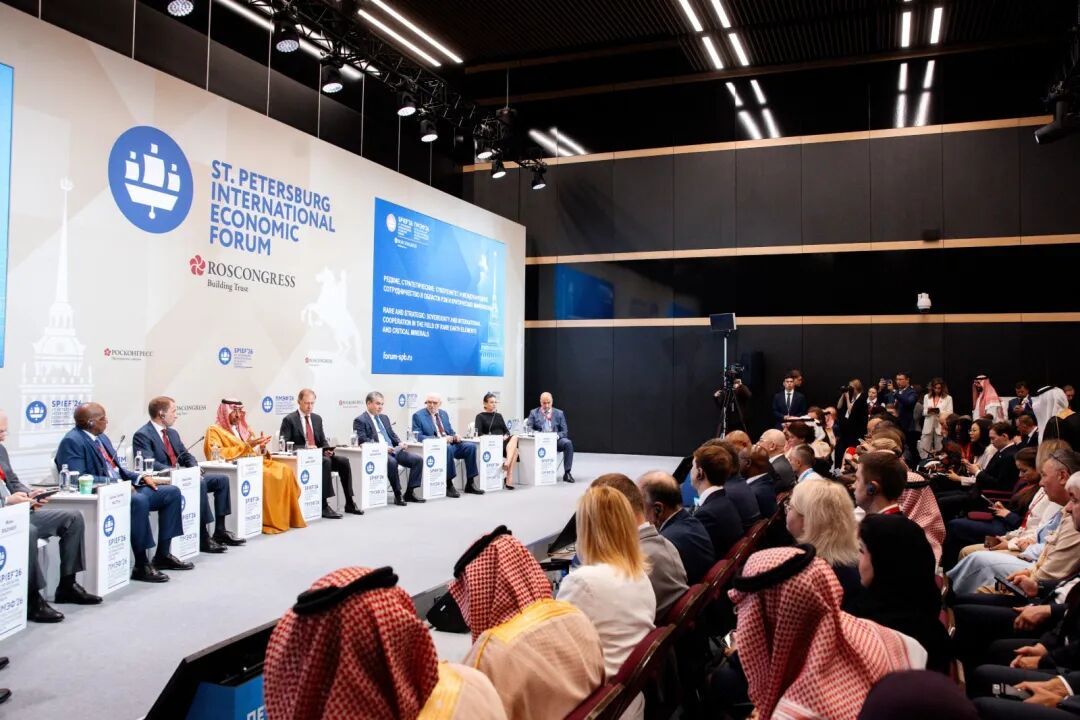
Elena Bezdenezhnykh, Vice President of Rusal, noted the importance of international cooperation with friendly countries in processing, production, and sales. She stated that for a diversified industrial enterprise involved in aluminum, molybdenum, and silicon, expanding the circle of partners is an important condition for further advancing projects within the framework of the Angara-Yenisei Cluster.
Work in this direction is already underway. Cooperation with foreign partners within the framework of creating the cluster project should increase the speed and efficiency of solving industrial and technological problems in the field of rare and rare-earth metals in Russia. The priorities are national interests and localization of production in Russia. Therefore, interaction with foreign companies is primarily planned as technological and investment cooperation—in high-value-added areas, including creating a component base for electric mobility and space technology.
The "Mendeleev Valley" Foundation is actively cooperating with India—the first agreement on joint development of rare-earth metals is planned to be signed in 2026. Negotiations are also underway with partners from China and the UAE.
Thus, the Angara-Yenisei Cluster is effectively becoming a platform for building a completely new critical metals industry—with its own technological base, industrial partners, personnel system, ecological safeguards, and international cooperation network.
This article is compiled by Wedoany. All AI citations must indicate the source as "Wedoany". If there is any infringement or other issues, please notify us promptly, and we will modify or delete it accordingly. Email: news@wedoany.com