MTN Nigeria Responds to Data Consumption Complaints, Reveals 127GB WhatsApp Backup
en.Wedoany.com Reported - MTN Nigeria, a telecommunications operator, recently held a public hearing in the form of a mock trial, placing itself before consumers, journalists, technical experts, and industry stakeholders to address widespread user complaints over the years about rapid data consumption.
The hours-long discussion did not directly prove the operator at fault but instead revealed a gap between Nigerians' perception of how they use data and the actual functioning of modern smartphones and applications. The core case in the discussion was a 127GB WhatsApp backup. Karl Toriola, CEO of MTN Nigeria, stated that a colleague who accused the operator of data theft had a WhatsApp backup that had grown to 127GB and was synced daily via mobile data. This example drew attendees' attention to data consumption by background processes and cloud services. The event was structured as a mock trial, with the prosecution team representing consumers and the defense team composed of MTN executives and technical experts. The prosecution was led by lawyer and digital rights advocate Timi Agbaje, and included Royal Ibeh, head of the tech desk at BusinessDay Newspaper; digital creator Fisayo Fosudo; digital consultant Pamilerin Adegoke; tech content creator Eric Okafor; brand influencer Hannah Ajibade; digital entrepreneur Yemisi Odusanya; Olumide John, founder of Olumide Freedom CF; content creator Soti Panky; digital strategist Daniel Friday Okodi; and streamer Peller. The defense was led by CEO Toriola and several executives, including Ugonwa Nwoye, Chief Customer Relations and Experience Officer; Yahaya Ibrahim, Chief Technology Officer; Onyinye Ikenna-Emeka, Chief Marketing Officer; Egerton Idehen, Chief Broadband Officer; Aisha Umar Mumuni, Chief Digital Officer; Mike Ndukwe, General Manager of Network Performance and Quality Assurance; Ikenna Ikeme, General Manager of Regulatory Affairs; and David Ogunsola, General Manager of IT Operations.
The core demand of the prosecution was "transparency," questioning why data consumption had accelerated and how consumers could independently verify data usage. The defense pointed out that data consumption patterns have fundamentally changed. MTN's technical team explained that many consumers still judge data usage based on experiences from the 2G and 3G eras, while 4G and 5G networks, along with platforms like TikTok and YouTube, automatically enhance video quality based on network capabilities. For example, watching a video in ultra-high definition (4K) can consume several times more data than watching the same video in standard definition, leading to higher data consumption. Background processes such as automatic syncing of Google Photos, Google Drive, iCloud, and WhatsApp backups also consume significant data, often without users' awareness. MTN showcased its Data Analyzer Portal, independently audited by KPMG, which tracks consumption by each application on a device and confirmed that the portal's data aligns with the billing system.
The discussion also extended to issues of network quality, service outages, and recent tariff increases. Attendees noted that service quality had not significantly improved after the tariff hikes, with persistent call drops and congestion. Toriola acknowledged service quality challenges but attributed them to external factors such as fiber optic cuts, vandalism, and equipment theft. He defended the tariff adjustments, stating that the industry faces financial pressures from diesel costs, foreign exchange challenges, and infrastructure maintenance, and that tariff reviews are necessary to sustain investment. Regarding user demands for unlimited mobile data, MTN executives argued that this is not realistically feasible on shared infrastructure mobile networks, as unrestricted access would lead to severe service degradation.
This trial revealed that data consumption habits in Nigeria are rapidly evolving, with applications such as video streaming, AI tools, cloud storage, and automatic updates fundamentally changing how data is used, creating a trust gap between users and operators. MTN's proposed solution is to increase transparency by providing tools for customers to monitor data usage more closely. The essence of this dispute is shifting from issues of tariffs and network operators to a gap in user understanding of device background operations in a rapidly digitizing country. As the MTN case illustrates, the answer to the problem may not be lost data plans, but a 127GB WhatsApp backup quietly running in the background.
This article is compiled by Wedoany. All AI citations must indicate the source as "Wedoany". If there is any infringement or other issues, please notify us promptly, and we will modify or delete it accordingly. Email: news@wedoany.com
Related Products
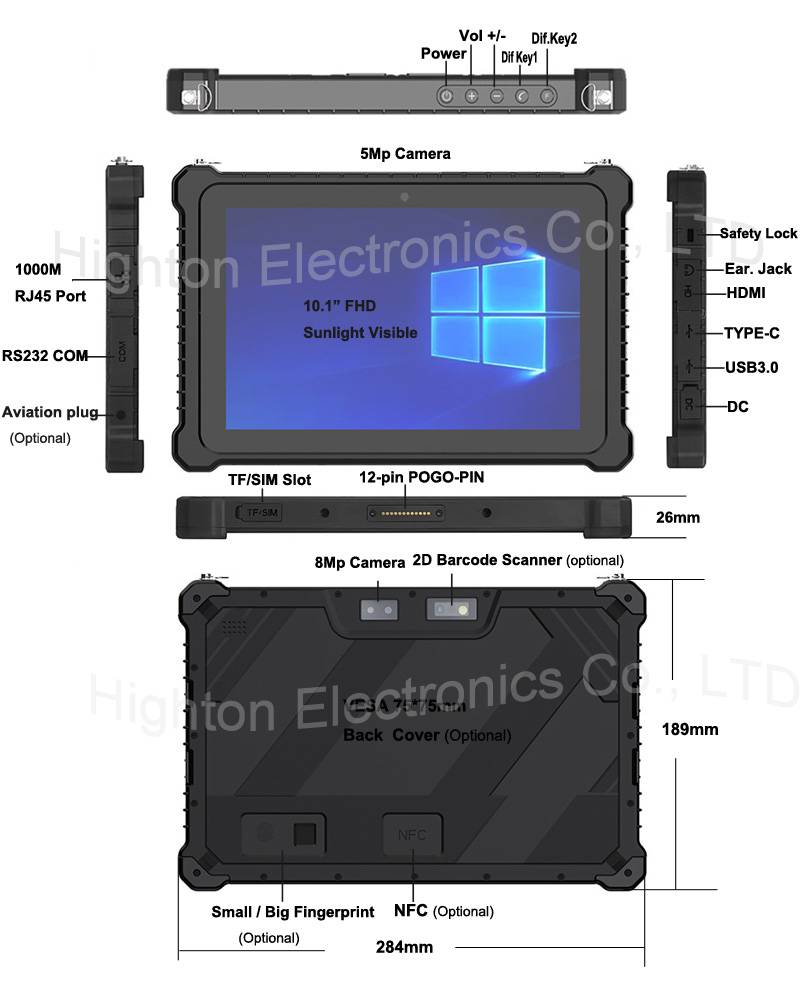

Hot Selling 10 Inch Intel N5100 I5 I7 FHD 8 +128GB 16+256GB Win10 Pro Win11 Pro 4G 5G Rugged Tablet PC Pad with NFC Barcode
Highton Electronics Co., Ltd.

D12 Humanoid Robot
Automation Research Institute Co., Ltd. of China South Industries Group Corporation
MUX Series Communication Interface Device for Security and Stability Control System
Nanjing NR Electric Co., Ltd.
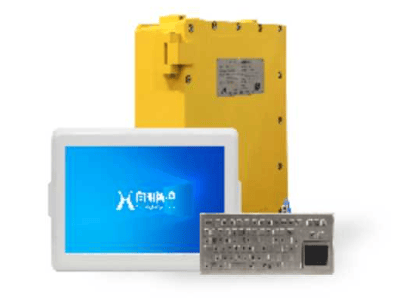
KJD127(A) Mining Explosion-Proof and Intrinsically Safe Computer
Taiyuan Xiangming Intelligent Control Technology Co., Ltd.
Industrial and Commercial Point-Type Gas Detector
Jinan Benan Technology Development Co., Ltd.