en.Wedoany.com Reported - A Southwest Airlines Boeing 737-700 passenger jet was forced to return during climb after metal fragments were found in the engine, with the flight ultimately arriving at its destination after a 3.5-hour delay.
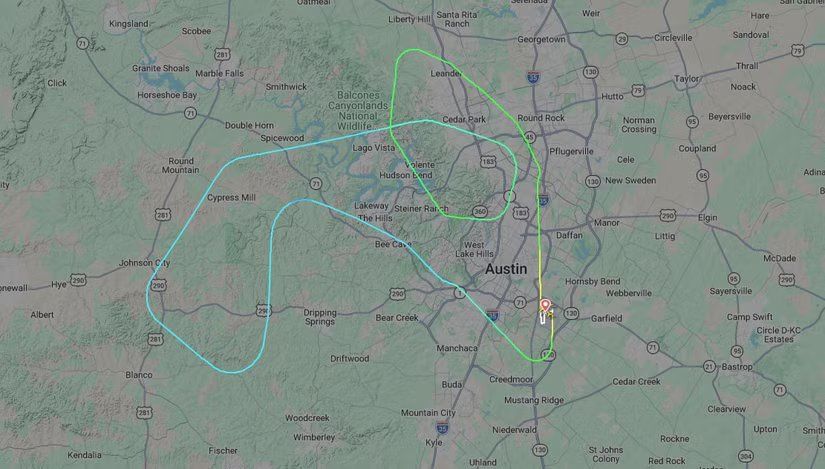
On Friday, Southwest Airlines flight WN-375 departed from Austin-Bergstrom International Airport (AUS) in Texas, originally bound for Phoenix Sky Harbor International Airport (PHX). The crew decided to return while climbing to 13,000 feet (3,962 meters), despite no engine fire alarm being triggered. According to The Aviation Herald, the crew did not declare an emergency and landed safely after maneuvering to avoid weather. Post-flight inspection revealed "metal fragments" inside the right engine. The aircraft involved, a Boeing 737-700 (registration N7855A), was grounded and replaced with another aircraft of the same model (registration N920WN), and the flight eventually arrived after a 3.5-hour delay.
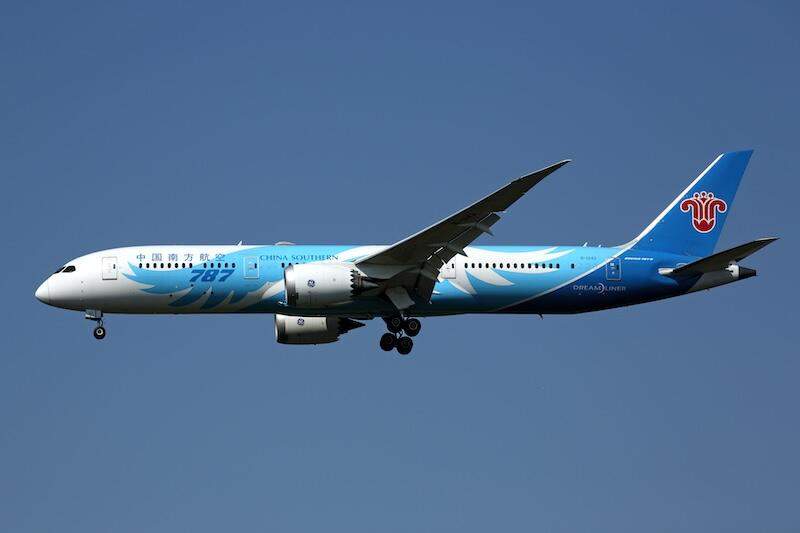
According to planespotters.net data, the aircraft is over 20 years old, originally purchased by China Eastern Airlines, and has been operated by Southwest Airlines for the past nine years. The airframe had no prior accident record, and the cause of the engine damage remains unclear. According to The Aviation Herald, the Federal Aviation Administration (FAA) reported: "The aircraft returned to the airport due to an engine issue. Post-flight inspection revealed metal fragments and damage in the right engine. Location: Austin, Texas."
There are several possible causes for metal fragments inside an engine. The first is foreign object debris (FOD), i.e., loose objects on runways, taxiways, or other areas where engines operate. Hard enough objects can strike turbine fan blades, sending tiny metal fragments into the engine core. Hard materials such as small stones, loose asphalt fragments, plastic debris, or even ice can cause similar situations during taxiing. Another explanation is engine degradation due to long-term wear, leading to component fatigue. Years of operation may cause main shaft bearings to release steel rollers, striking fan blades or other moving parts of the engine, generating fragments and damage. Extreme heat can also cause fan blade tips to delaminate and shed metal fragments. Wear in the accessory gearbox, which extracts power from the turbine, can similarly produce fine metal shavings.
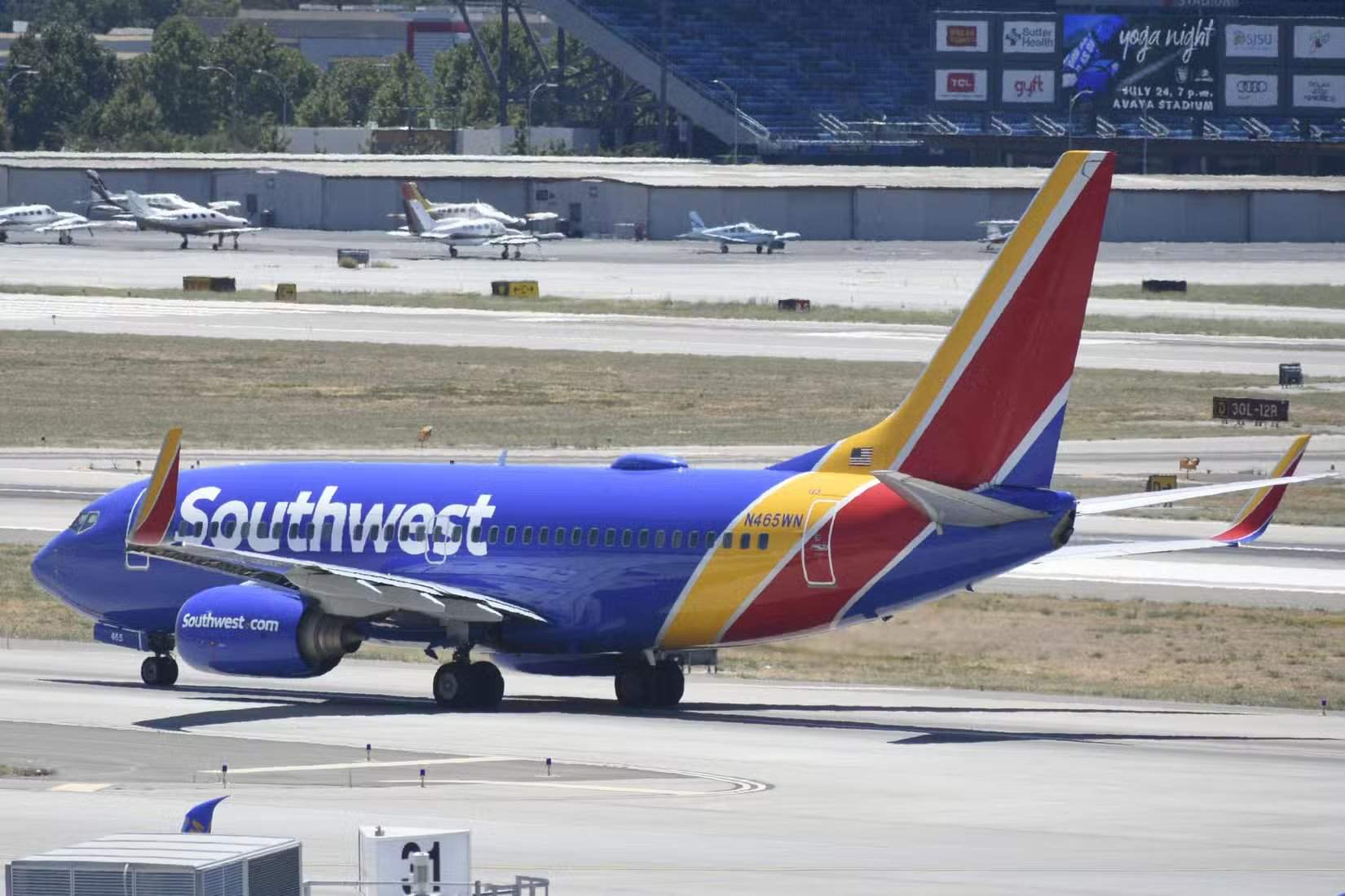
Airframe and powerplant technicians will assess the aircraft to identify all components requiring replacement or repair to restore it to service. They will disassemble the powerplant and ensure the left engine is also intact. For the confirmed damaged right engine, mechanics will disassemble and replace components no longer fit for safe flight. Once the engine is fully repaired, the Southwest Airlines maintenance team will conduct inspections to confirm it is ready for service again. The airline will perform a high-power engine run test in a dedicated fenced area or taxiway, simulating full operational stress on the ground to test the engine. Aviation regulations require dual checks for any critical flight safety systems, with technicians conducting meticulous mechanical reviews before starting the engine. After the engine run test, a final inspection will be performed to confirm everything is normal under stress. Senior inspectors will verify that all controls, fuel shutoff devices, or thrust reverser linkages and related peripherals are connected and functioning correctly. Finally, a certified inspector will designate the aircraft as "airworthy and ready to return to service."
This article is compiled by Wedoany. All AI citations must indicate the source as "Wedoany". If there is any infringement or other issues, please notify us promptly, and we will modify or delete it accordingly. Email: news@wedoany.com