en.Wedoany.com Reported - An insurance study reveals that over half (56%) of planned or under-construction data center projects in the United States are located in high-risk states prone to hurricanes, winter storms, and earthquakes. These projects involve nearly $800 billion in investments.
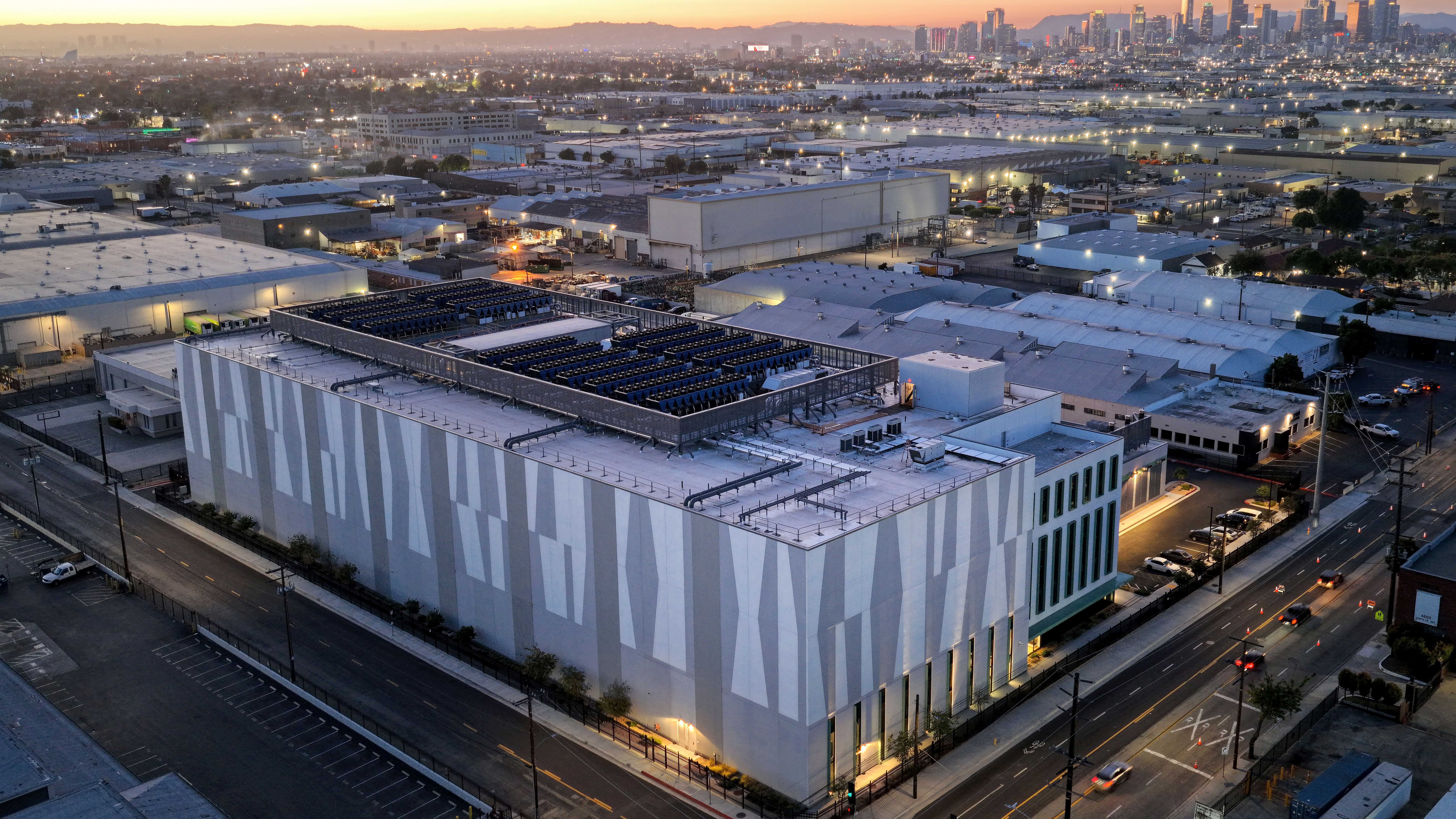
According to data from MS Amlin, the company reviewed 670 US data center plans and found a high concentration of projects in southern states, which are more attractive in terms of land, tax incentives, and power availability. The greatest risk comes from Severe Convective Storms (SCS), a category encompassing tornadoes, hail, damaging winds, and severe thunderstorms. Over half (51%) of planned facilities are located in high-risk SCS areas, where existing data centers are valued at approximately $20 billion, while the planned infrastructure is worth about 40 times more. Last year, insurance losses from SCS events across the US totaled approximately $52 billion.
Other weather factors also pose risks: over a quarter (27%) of planned facilities are in high-risk winter storm areas, over a fifth (21%) in high-risk hurricane states, and 3% in earthquake-prone zones. Martin Burke, Chief Underwriting Officer at MS Amlin, wrote in the report that when assets of this scale are concentrated in disaster-prone areas, the potential severity of losses from a single storm event can escalate rapidly. The company also cited research from Swiss Re, showing that insurance losses from SCS have grown by about 8% annually since 2008.
Another study from Texas A&M University aligns with these findings, reviewing 2,660 US data centers and finding that 34% are located in hurricane hotspots, 30% in tornado hotspots, 29% in earthquake hotspots, and many in areas vulnerable to wildfires and floods. However, insuring projects is not the only consideration for hyperscalers and investors. To meet demand scale, the industry has shifted priorities to available grid capacity and cheap land, with many projects already facing years of delays due to insufficient energy readiness. Despite the concentration of investments in high-risk areas, Burke views this as a "growth opportunity" for the insurance industry, as "risks must be properly managed and understood." The report also suggests that insurers themselves may soon become a constraining factor for artificial intelligence expansion.
The Texas A&M University study identified some low-risk locations in northern Minnesota and Michigan's Upper Peninsula. The researchers concluded that data centers' resilience to these climate-related risks must be thoroughly assessed and enhanced to ensure the continuity and reliability of AI-driven services. Martin Burke urged underwriters to adopt more advanced methods for managing aggregate risk.
This article is compiled by Wedoany. All AI citations must indicate the source as "Wedoany". If there is any infringement or other issues, please notify us promptly, and we will modify or delete it accordingly. Email: news@wedoany.com