Digital Monitoring Is Reducing Risk in Bridge Erection and Lifting Equipment
en.Wedoany.com Reported - Bridge construction places extremely high requirements on lifting equipment safety, stability and precision. As large bridges, sea-crossing links, high-pier mountain bridges and urban expressways increase, traditional lifting management based mainly on operator experience is no longer enough. Bridge Erection and Lifting Equipment is moving toward intelligent monitoring, automatic control and remote maintenance.
Bridge lifting operations are high-risk tasks. Beams are heavy, lifting points may be complex and construction space is often limited. Wind speed, gradient, temperature, foundation bearing capacity and surrounding traffic can also affect lifting safety. Without real-time monitoring, equipment abnormalities may not be discovered early enough.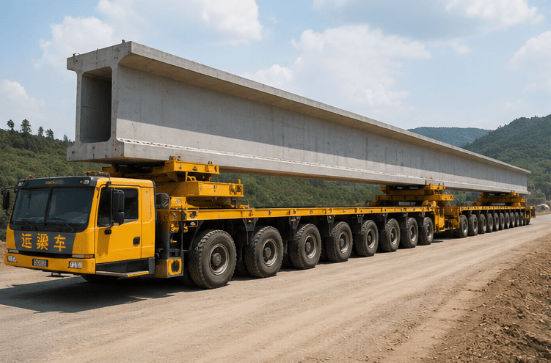
By using sensors and control systems, construction teams can monitor key data such as load, displacement, inclination, wind speed, support leg pressure, hydraulic pressure and structural stress. These data provide a more objective basis for safe lifting decisions.
Intelligent control improves operating precision. Modern bridge lifting equipment uses PLC systems, variable-frequency drives, hydraulic synchronization and electronic limit devices to support smooth lifting, synchronized traveling, automatic correction and safety interlocking. For multi-point synchronized lifting and long-span component installation, intelligent control helps reduce human error and improve placement accuracy.
Remote monitoring and data recording are also becoming important project management tools. Equipment operation data can support safety traceability, maintenance planning and construction efficiency analysis. If overload, unbalanced load, abnormal wind speed or structural risk occurs, the system can issue alarms and restrict dangerous operation.
For contractors managing projects in different regions, remote platforms can help headquarters understand equipment status across multiple sites. This improves equipment utilization and maintenance planning.
Intelligence does not replace site management. Bridge lifting equipment still requires approved lifting plans, trained operators, daily inspection and emergency procedures. Digital systems provide earlier and more accurate risk signals, but final safety depends on coordination among equipment, people and construction organization.
In the future, bridge erection and lifting equipment will be more closely connected with BIM models, construction schedule platforms and engineering safety management systems. Lifting processes can be simulated before construction, monitored during operation and archived after completion.
Overall, intelligent technology is improving both the safety margin and construction efficiency of bridge lifting equipment. Equipment suppliers with digital monitoring, intelligent control and data service capabilities will be better aligned with high-standard bridge engineering needs.
This article is compiled by Wedoany. All AI citations must indicate the source as "Wedoany". If there is any infringement or other issues, please notify us promptly, and we will modify or delete it accordingly. Email: news@wedoany.com
Related Products

Strip Coating and Plating Production Line Equipment
MCC-SFRE HEAVY INDUSTRY EQUIPMENT CO., LTD.
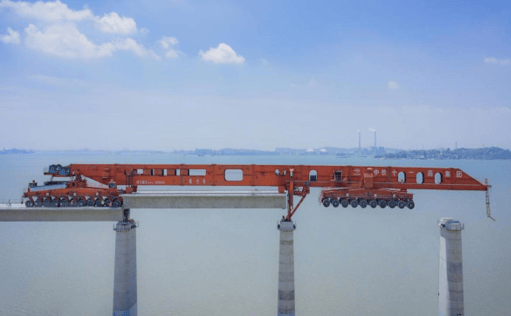
High-Speed Railway Lifting, Transporting, and Erecting Equipment: Integrated Transport and Erection Machine
Hanjiang Heavy Industry Co., Ltd. of China Railway 11th Bureau Group

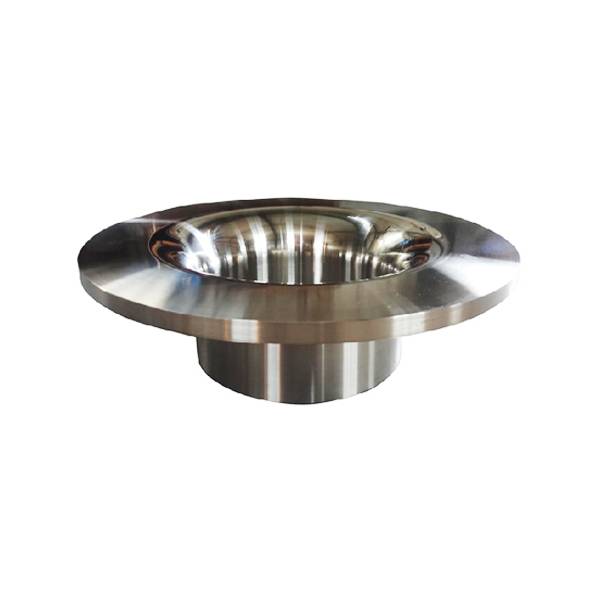
Standard Nozzle Flowmeter
Jinggong Automatic Control Instrument Complete Technology Development Company
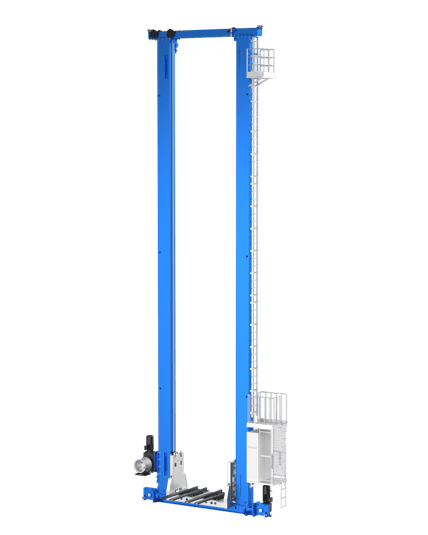
Pallet Solutions Product Line: HD3000 Double-Column Stacker Crane
Zhongding Intelligent (Wuxi) Technology Co., Ltd.