en.Wedoany.com Reported - Samsung optimizes wearable device fit and comfort through computational design. Federico Casalegno, Executive Vice President and Head of the Samsung Design Innovation Center (SDIC), explained that this method leverages artificial intelligence and advanced computing to analyze hundreds of thousands of quantitative and qualitative data points, generating, testing, and optimizing product designs. This transforms traditional subjective feedback into an objective, data-driven engineering process. Currently, this technology has been applied to wearable products such as the Samsung Galaxy Watch8 series and Galaxy Buds4 series.

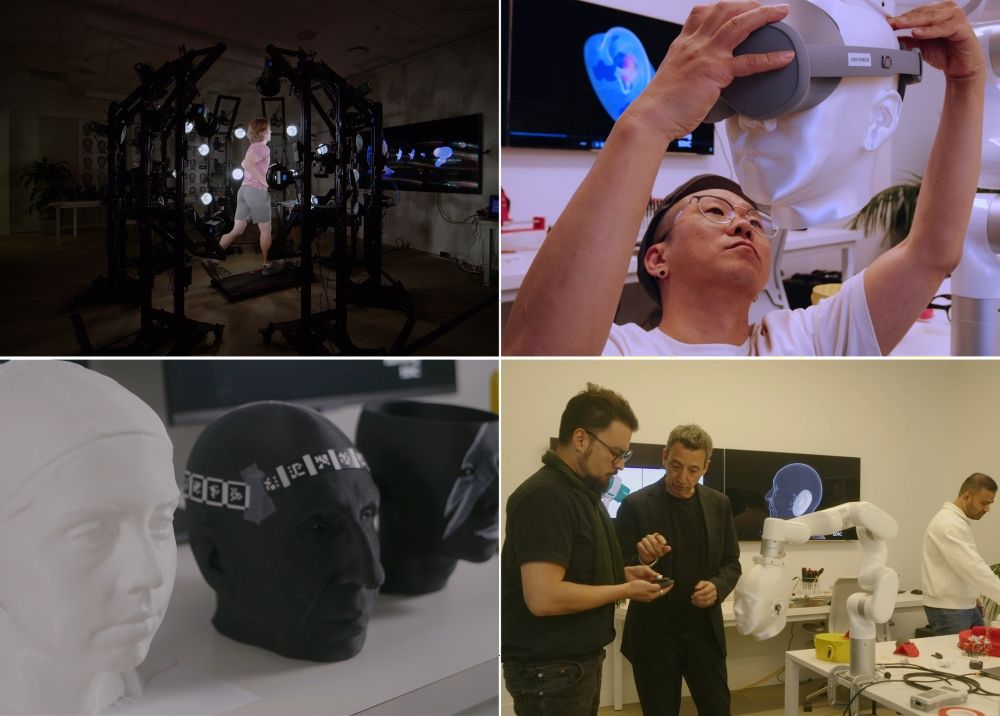
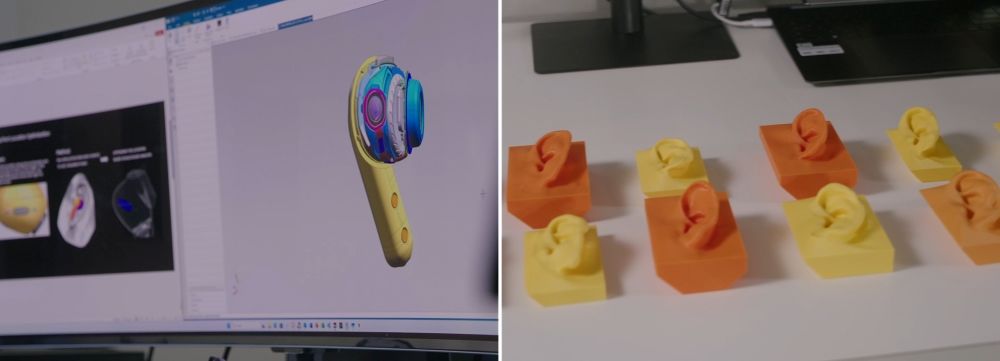
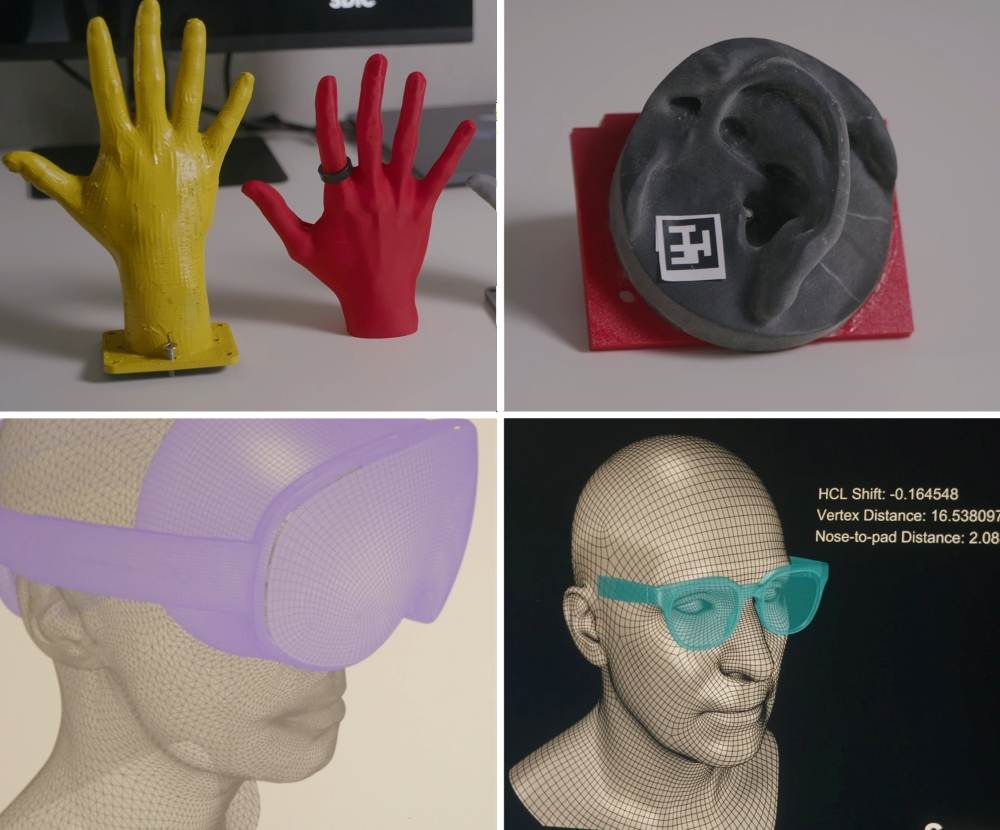
Samsung's computational design process integrates real human data, digital twins, and robotic testing. By capturing 3D and 4D scans of diverse populations worldwide, the team creates precise anatomical digital twins, then runs AI-based and physics-based simulations, cross-validated by physical robots. For the Galaxy Buds4 series, Samsung analyzed hundreds of millions of global ear data points and executed over 10,000 simulations to refine the new blade design. These objective data drove a subtle reduction in the main earpiece size and optimization of the rotation angle, enhancing wearing stability and comfort.

Samsung stated that computational design has evolved into a foundational element for all wearable product development. The team has developed multiple specialized AI programs based on internally built proprietary datasets. Federico Casalegno noted that as the dataset continues to grow, customized AI tools will drive more precise simulations, further enhancing product wearability and potentially giving rise to new wearable device categories.
This article is compiled by Wedoany. All AI citations must indicate the source as "Wedoany". If there is any infringement or other issues, please notify us promptly, and we will modify or delete it accordingly. Email: news@wedoany.com