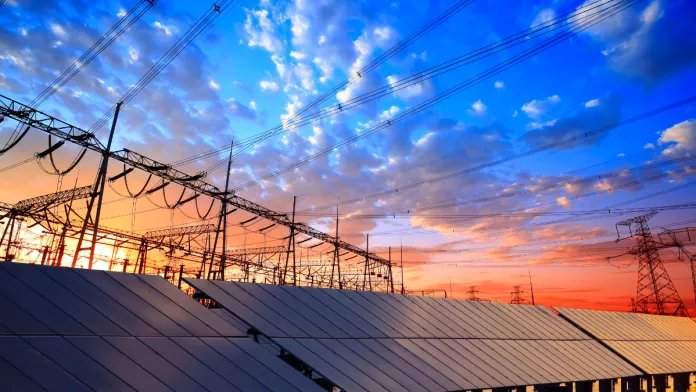
 Wedoany.com Report-Mar 1, Researchers from MIT have suggested establishing a local electricity market using grid-edge and Internet of Things (IoT) devices, such as residential solar panels, to enhance power grid stability during cyber-physical attacks. Their study, titled “Resilience of the electric grid through trustable IoT-coordinated assets,” was published in the Proceedings of the National Academy of Sciences. It highlights that the growing use of distributed energy resources in the grid may create new risks, including cyberattacks, which could challenge the system’s ability to maintain stability.
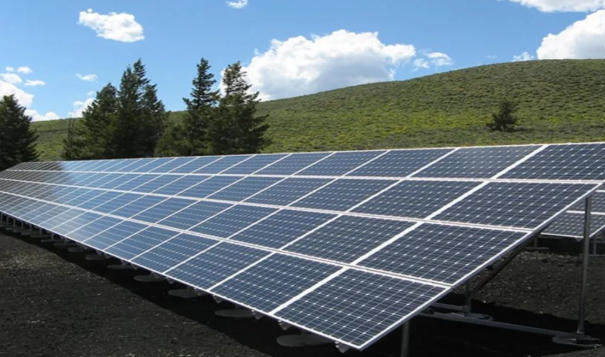
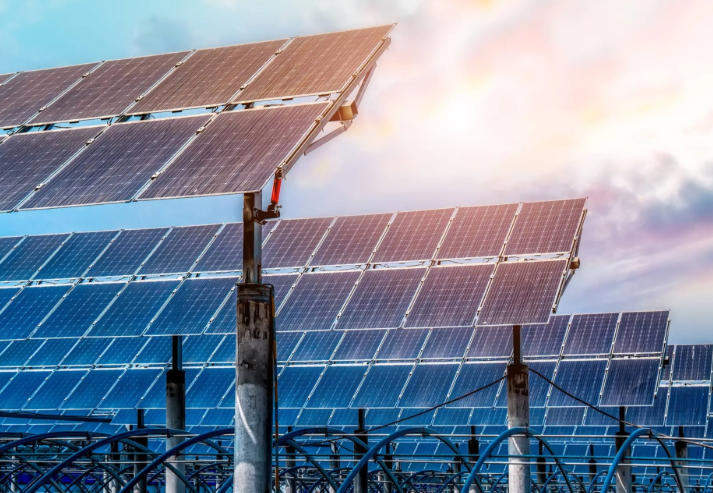
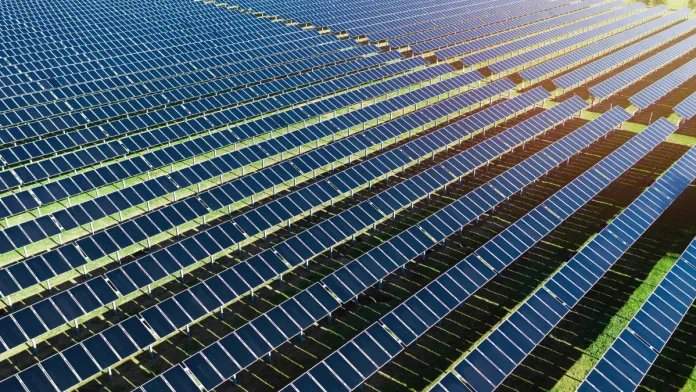
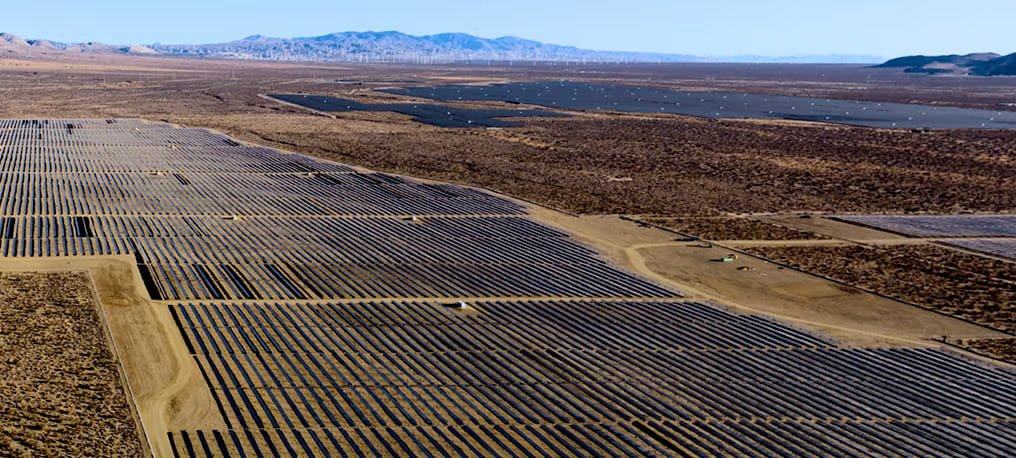
The study explains that decentralized devices located near consumers—unlike those near central power plants or transmission lines—along with IoT-enabled objects featuring sensors and internet connectivity, could form local markets. These markets would activate during unexpected power outages. The MIT team has developed a framework called Eureica (Efficient, Ultra-REsilient, IoT-Coordinated Assets), which assumes most grid-edge devices, like rooftop solar panels, electric vehicle chargers, and smart thermostats, will connect wirelessly to broader networks of independent, distributed units.
The research introduces an algorithm designed to activate within each local market if the main grid is disrupted. This algorithm assesses which devices are reliable, determines the optimal mix of these devices to address the power failure, and calculates the necessary power adjustments—either injecting energy into the grid or reducing consumption. Device owners would receive compensation for contributing to this system.
The MIT researchers evaluated their framework using various grid disruption scenarios, including weather events that could interrupt energy transmission at different points. In these tests, power losses ranged from 5% to 40%. The algorithm successfully restored stability and countered the disruptions in each case, according to the findings.
The study suggests that grid-edge devices, such as solar panels, electric vehicle chargers, batteries, and smart thermostats, could collectively support grid stability during an attack. Anu Annaswamy, a research scientist in MIT’s Department of Mechanical Engineering, states: “All these small devices can do their little bit in terms of adjusting their consumption.” She adds: “If we can harness our smart dishwashers, rooftop panels, and EVs, and put our combined shoulders to the wheel, we can really have a resilient grid.”
The team notes that implementing these local electricity markets would require cooperation from customers, policymakers, and local authorities, alongside technological advancements like advanced power inverters. These inverters would allow electric vehicles to supply energy back to the grid. Annaswamy remarks: “This is just the first of many steps that have to happen in quick succession for this idea of local electricity markets to be implemented and expanded upon.” She concludes: “But we believe it’s a good start.” The research underscores the potential of localized, technology-driven solutions to strengthen grid reliability amid growing challenges.