en.Wedoany.com Reported - The progress and strategic significance of one of Europe's largest cross-border railway infrastructure projects took center stage at a recent thematic event in Brussels. Representatives from European institutions, industry organizations, and the transport sector gathered for the "Spotlight on Brussels: Rail Baltica" event.
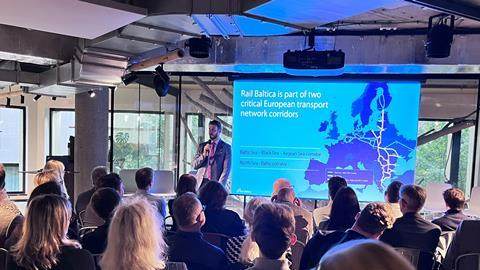
The event brought together policymakers, industry representatives, media, and members of the broader Rail Baltica community. Discussions revolved around project delivery, future funding needs, and the role of railway infrastructure in enhancing European connectivity and resilience. Participants also exchanged views with project leaders on topics such as transport integration, military mobility, financing, and implementation timelines.
Opening the event, Steven Van Hecke placed Rail Baltica within the broader context of Europe's strategic challenges, emphasizing the importance of coordinated action to advance major infrastructure projects for boosting competitiveness and security. Marko Kivila then presented the project's progress and outlined four key objectives: connecting the Baltic states to the wider European rail network, generating economic benefits, enhancing military mobility, and achieving the goals of the Trans-European Transport Network (TEN-T).
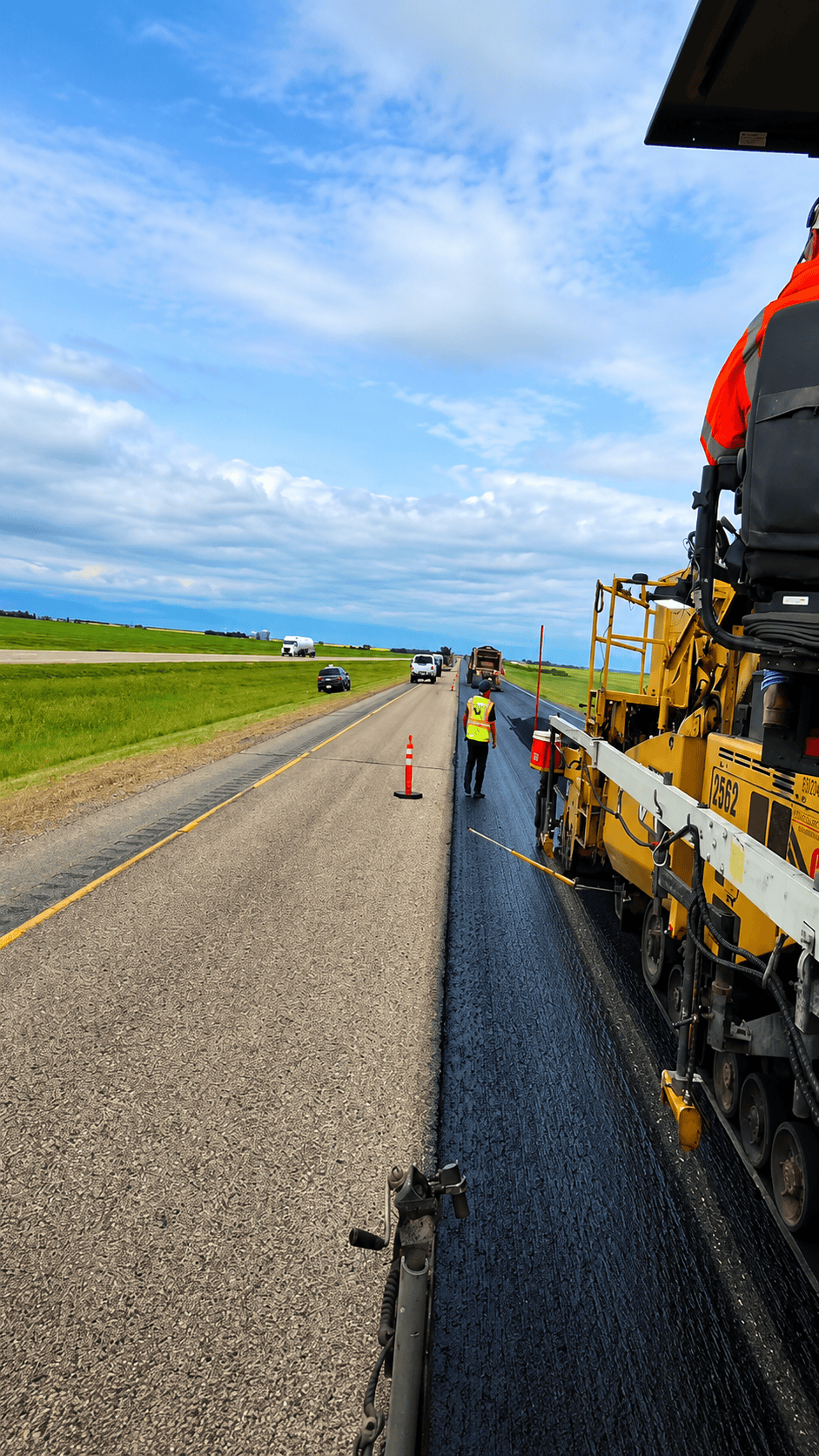
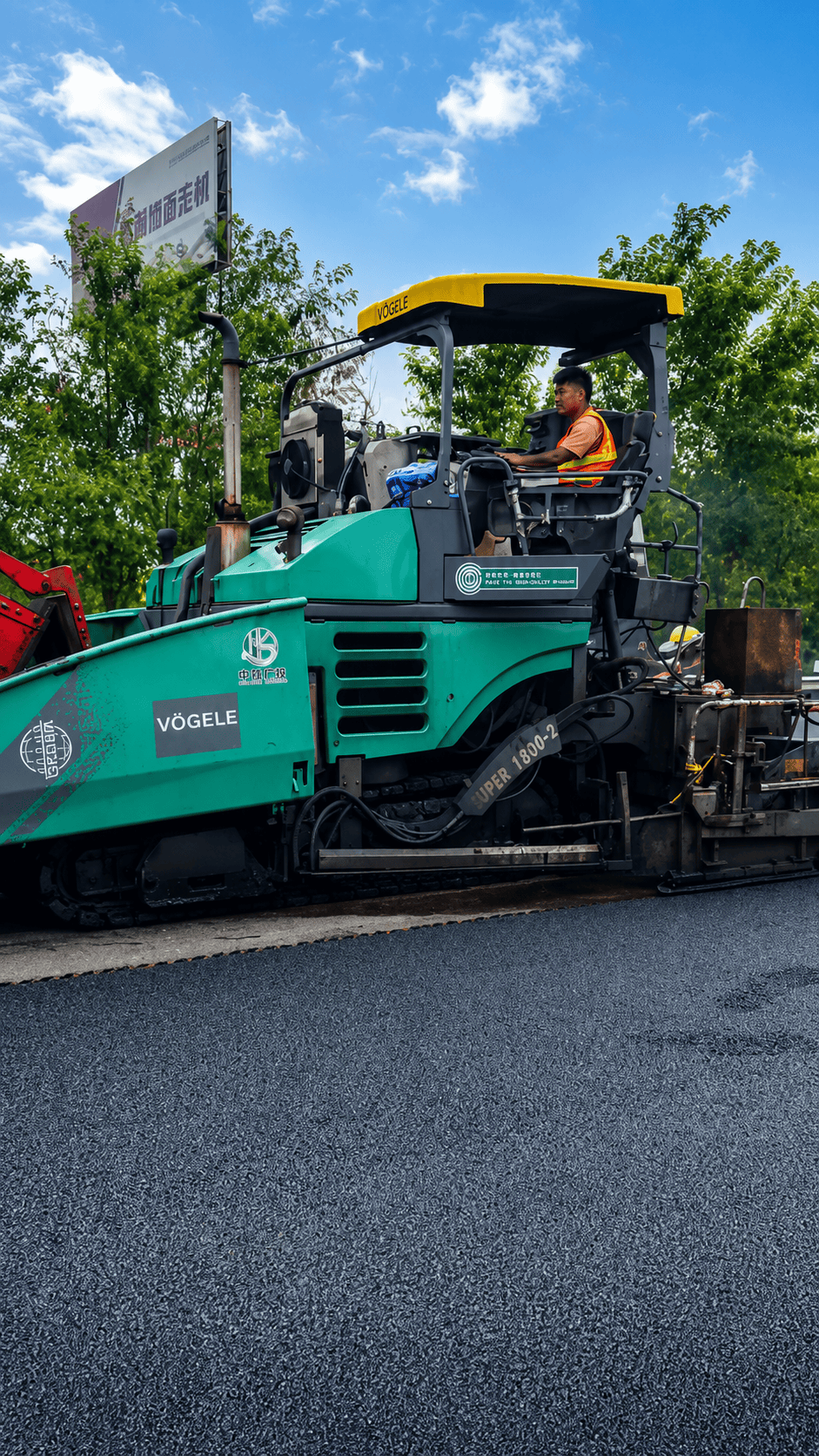
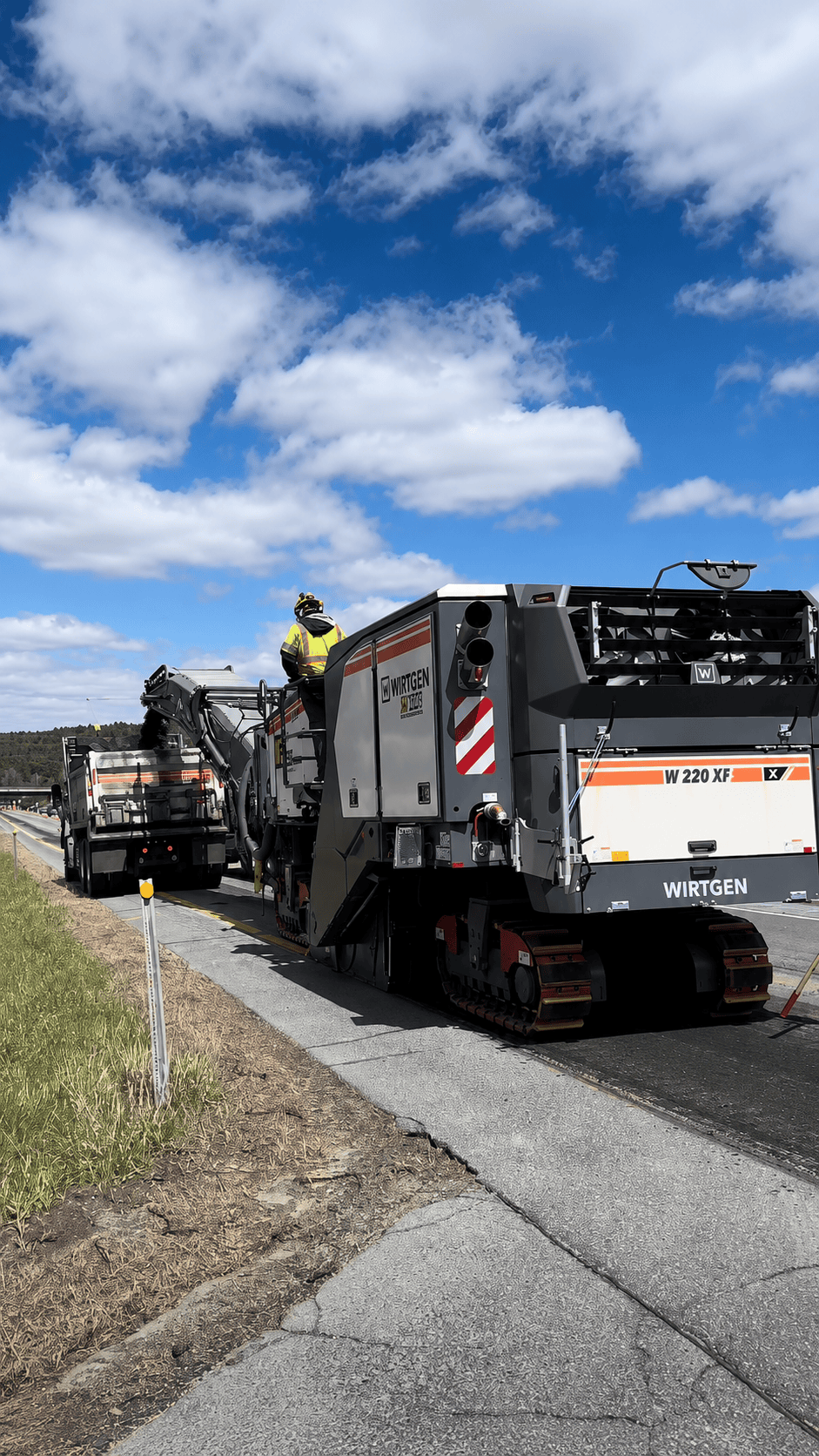
Construction activities are ongoing across the three Baltic states. According to project leaders, 267 kilometers of railway are now ready for construction, representing approximately 43% of the main line's first phase. In Estonia, construction of 107 kilometers of mainline railway and the Ülemiste terminal is expected to begin in 2026. In Latvia, work continues on the southern section of the line, as well as the development of Riga Central Station and Riga Airport. Lithuania has begun track laying, with 114 kilometers of mainline currently under construction.
Military mobility was a major topic of the event. Rail Baltica is designed to serve both civilian and defense needs, establishing a fully interoperable standard-gauge connection between the Baltic states and the wider European rail network. Funding remains one of the project's top priorities. Rail Baltica is supported by the EU's Connecting Europe Facility, which covers up to 85% of eligible project costs, along with funding from the Military Mobility programme and national governments. Kivila stated that the project has reached a stage where construction readiness is no longer the primary challenge, and future progress depends on securing sustained financial support.
The event concluded with an interactive discussion, where project executives answered questions on construction delivery, financing, cross-border cooperation, and future implementation plans. Organizers noted that the level of participation reflects growing recognition of Rail Baltica's value as a strategic investment supporting European connectivity, competitiveness, resilience, and security.
This article is compiled by Wedoany. All AI citations must indicate the source as "Wedoany". If there is any infringement or other issues, please notify us promptly, and we will modify or delete it accordingly. Email: news@wedoany.com