en.Wedoany.com Reported - Recently, Brazil's National Land Transport Agency launched a public hearing process for a new concession of the Southern Railway Network. The project covers four states in southern and southeastern Brazil, advancing tender preparations around three railway corridors: Paraná-Santa Catarina, Rio Grande, and Mercosur. The three corridors total approximately 4,248.45 km and represent a key project in Brazil's new round of rail freight concessions.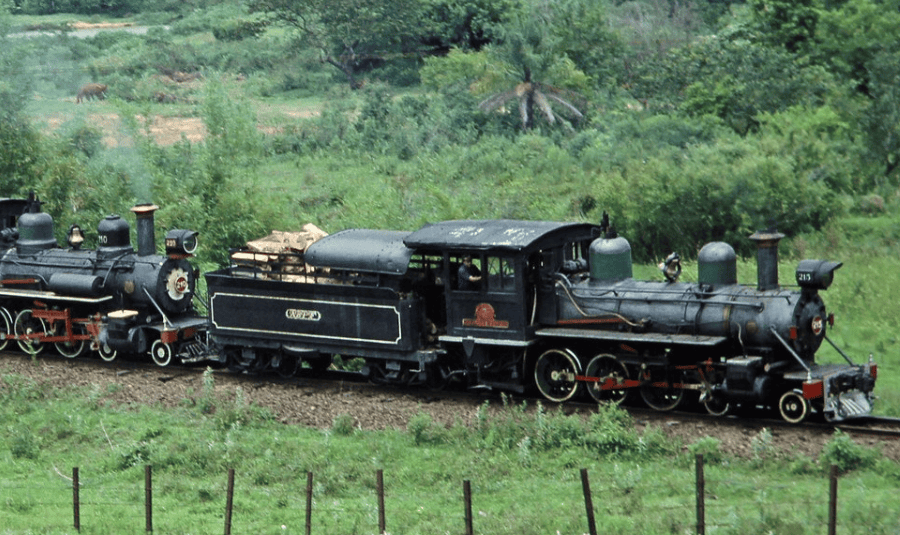
This process marks the entry of the Southern Railway Network renewal into the phase of social participation and tender document refinement.
The existing contract for the Southern Railway Network is operated by Rumo Malha Sul and is set to expire in 2027. Brazilian regulators have structured the three railway corridors as a single integrated design, with plans to advance a new 30-year concession through one tender divided into three lots. The Paraná-Santa Catarina corridor, approximately 1,502.26 km long, serves as the main backbone of the entire project, connecting Maringá, Ourinhos, and Apucarana, leading to the ports of Paranaguá and São Francisco do Sul, while passing through nodes such as Guarapuava, Rio Branco do Sul, and Curitiba. It handles about 78% of the freight volume on the Southern Railway Network, primarily serving export-oriented cargoes such as grains, sugar, pulp, and fertilizers. The Rio Grande corridor, approximately 880.3 km long, connects Cruz Alta, Cacequi, and the Santiago branch, extending to the Port of Rio Grande, handling about 16.6% of the freight volume, with cargoes mainly consisting of grains, fertilizers, and fuels. The Mercosur corridor, approximately 1,865.78 km long, performs inter-state and cross-border connectivity functions, connecting Iperó in São Paulo state to Ponta Grossa, and extending through Mafra, Passo Fundo, Porto Alegre, Santa Maria, and Cacequi to the Argentine border at Uruguaiana. It serves as a vital link between southern Brazil's railways and the regional trade network.
The project plans to allocate approximately R$14.4 billion in capital expenditure and R$38.6 billion in operating expenditure over the 30-year concession period.
The key to this restructuring of the Southern Railway Network lies in using a "cross-investment" mechanism to place corridors with different revenue-generating capacities into the same business model. The Paraná-Santa Catarina corridor has a more concentrated cargo base and more mature port connections, providing a strong cash flow foundation; the Rio Grande and Mercosur corridors, on the other hand, serve functions of regional balance, post-disaster recovery, border connectivity, and industrial belt coverage. According to the plan disclosed by the regulatory agency, the Paraná-Santa Catarina corridor will transfer approximately R$1.47 billion in investment to the Rio Grande corridor and approximately R$3.46 billion to the Mercosur corridor, enabling the three corridors to achieve overall feasibility without relying on direct federal fiscal allocations as the main funding source. Among these, of the approximately R$4.8 billion in investment for the Mercosur corridor, about R$3 billion will be used to rebuild railway infrastructure in Rio Grande do Sul state, which has been affected by extreme weather in recent years. For southern Brazil, railway restoration and expansion will impact port collection and distribution, agricultural product outbound transport, industrial raw material transportation, cross-border trade, and post-disaster logistics resilience; for potential investors, cargo structure, port connectivity, line restoration costs, long-term traffic growth, and regulatory stability will determine the project's attractiveness.
Public hearing materials will be available from June 8, with the comment submission period running from June 15 to August 10. In-person meetings are planned in Brasília, Curitiba, Porto Alegre, and Florianópolis. Subsequent procedures will focus on incorporating hearing feedback, refining tender documents, confirming contract terms, and conducting the future formal auction. If the new concession is successfully implemented, the Southern Railway Network will transition from contract renewal to a phase of systematic reinvestment, providing clearer long-term infrastructure arrangements for regional ports, agricultural exports, fertilizer imports, fuel transportation, and cross-border corridors.
This article is compiled by Wedoany. All AI citations must indicate the source as "Wedoany". If there is any infringement or other issues, please notify us promptly, and we will modify or delete it accordingly. Email: news@wedoany.com