Chile's 350 MW Battery Energy Storage Project Approved to Enhance Renewable Energy Regulation System
en.Wedoany.com Reported - On June 8, Chile's Ministry of Energy disclosed that five energy projects nationwide recently passed environmental approval, covering solar power generation, transmission lines, and battery energy storage systems. Among them, a 350 MW, 1409 MWh battery energy storage system project was approved with an investment of approximately $220 million, aimed at enhancing the Chilean power system's ability to regulate variable renewable energy.
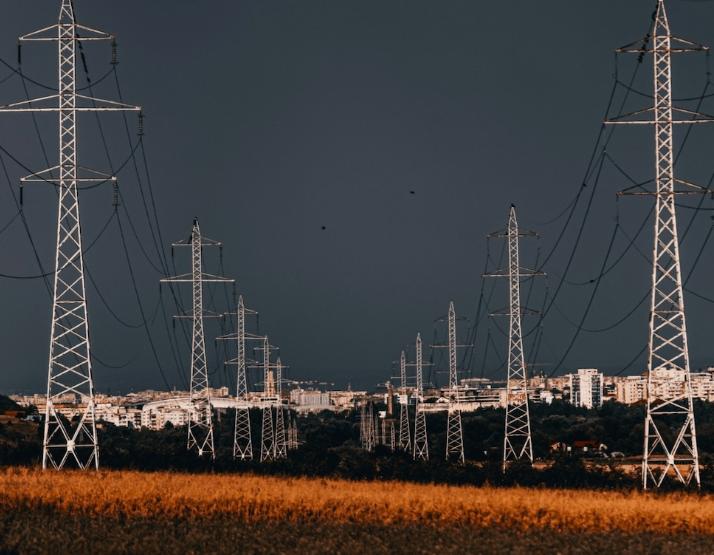
The approved projects in Chile this round also include two solar power plants totaling 12 MW, with an investment of about $29 million, and two transmission projects adding approximately 4 kilometers of lines, with an investment close to $72 million.
The significance of these projects lies in the simultaneous advancement of "power generation, transmission, and storage." Chile's share of installed renewable energy capacity has already reached a relatively high level, with clean electricity from solar and wind power continuing to grow in the northern and central regions. However, the output of new energy does not fully match electricity load in terms of time and space. Some areas experience concentrated daytime generation peaks, insufficient evening load support, local transmission constraints, and curtailment pressure. Once the 350 MW battery energy storage system is approved, it can absorb electricity during periods of high solar output and release it during peak load or when new energy output declines, thereby enhancing grid operational resilience. Compared to adding standalone solar power plants, large-capacity storage projects are closer to being "regulatory assets" for the power system. They not only serve the grid integration of individual plants but can also participate in system balancing, capacity support, frequency regulation, and reserve resource allocation. For a market like Chile, where the share of renewable energy is continuously rising, the pace of approval and construction of storage projects will directly impact the new energy integration ceiling, and will also determine future electricity price fluctuations, transmission asset utilization efficiency, and the intensity of fossil fuel backup unit usage.
The Ñuble Region did not have any new locally approved projects this time, but Chile's Ministry of Energy stated that these nationwide projects will collectively strengthen the national power system and improve regional power supply security and stability.
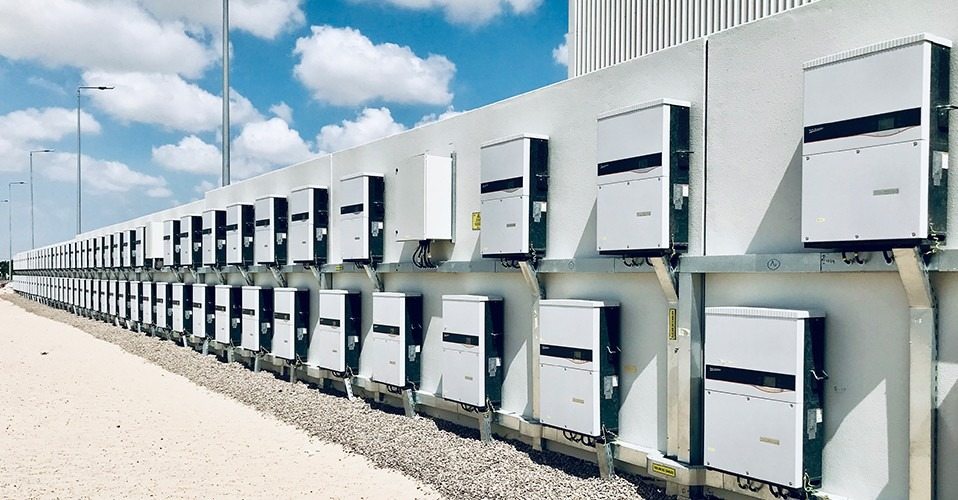
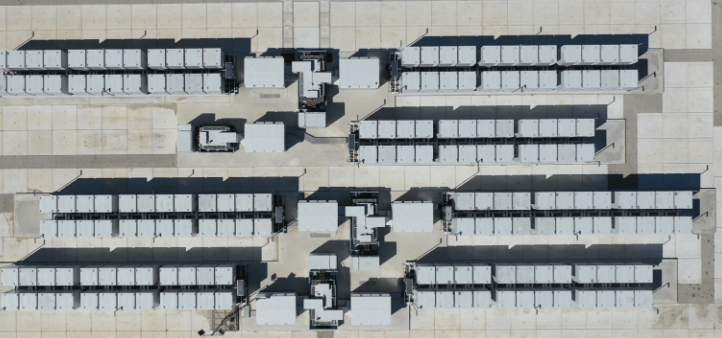
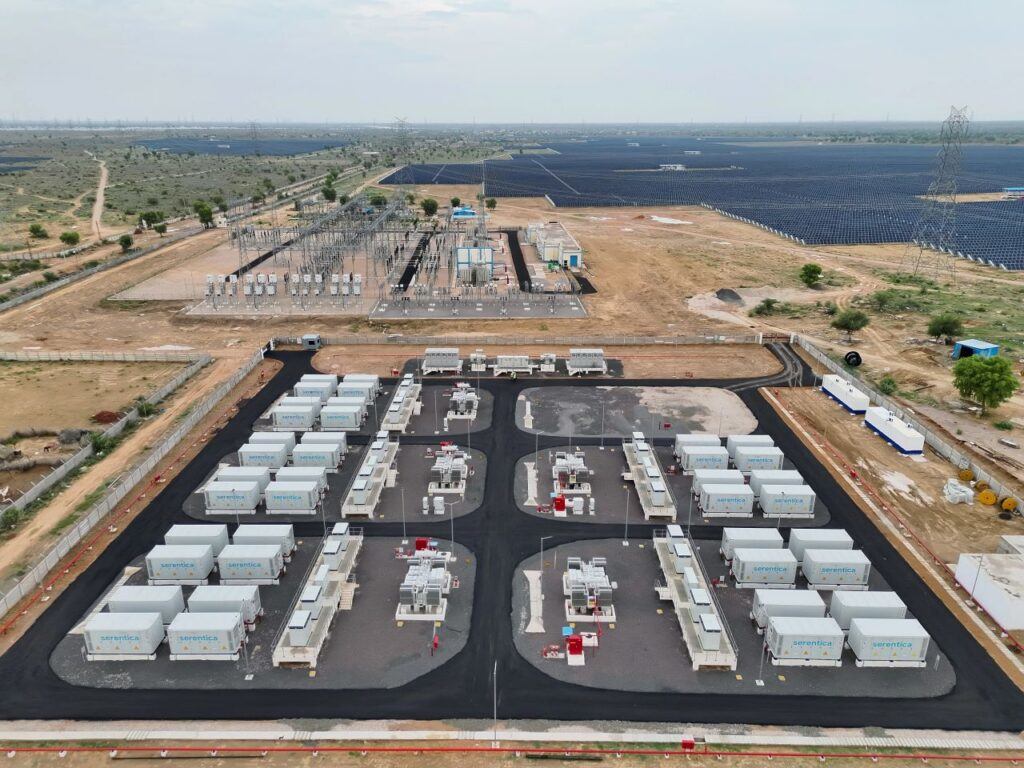
In recent years, Chile has been continuously advancing policies and project portfolios around power system flexibility, with energy storage transitioning from a new energy supporting facility to independent power infrastructure. Large-capacity battery energy storage projects typically involve multiple components such as battery containers, power conversion systems, step-up transformers, energy management systems, fire protection systems, grid connection controls, civil foundations, and operation and maintenance monitoring. This places higher demands on the project developer's capabilities in system integration, grid connection testing, safety management, and long-term performance assurance. The 1409 MWh storage scale means the project has a relatively long discharge duration, suitable for intraday peak shifting, renewable energy smoothing, and grid-side ancillary service scenarios. As the project moves into the construction phase, equipment procurement, construction organization, grid connection permits, energy storage fire safety standards, dispatch mechanisms, and revenue models will become key variables. This will also attract more suppliers of battery systems, inverters, transformers, control protection, and operation and maintenance services to Chile's energy storage market.
As Chile advances decarbonization and power system modernization, the simultaneous approval of solar, transmission, and storage projects indicates that the country's energy investment is shifting from single-generation expansion to systemic capacity building. If the 350 MW battery energy storage project is successfully implemented, it will provide new infrastructure support for Chile to maintain power supply stability under high renewable energy penetration, improve clean electricity utilization, and reduce system dispatch pressure.
This article is compiled by Wedoany. All AI citations must indicate the source as "Wedoany". If there is any infringement or other issues, please notify us promptly, and we will modify or delete it accordingly. Email: news@wedoany.com
Related Products
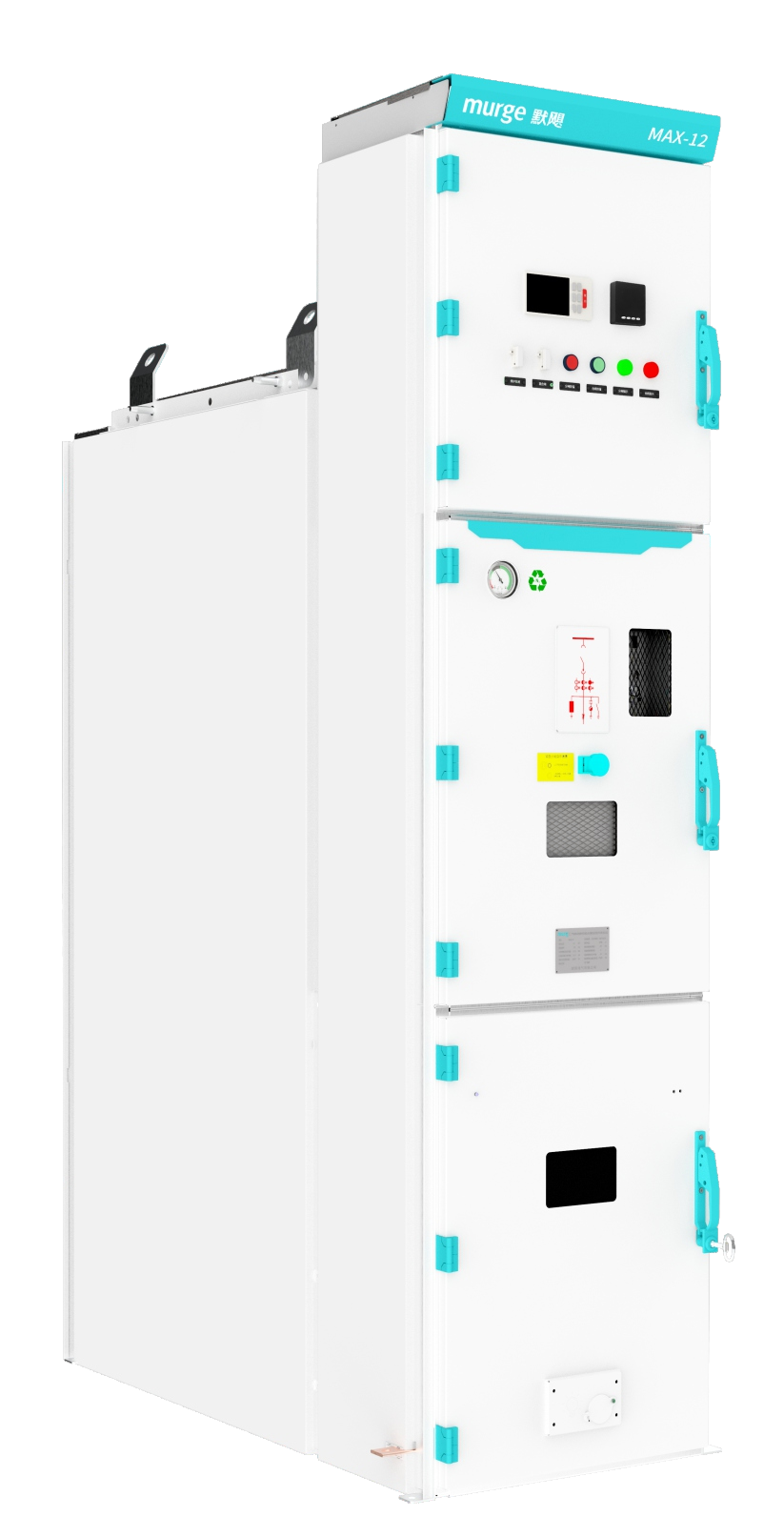

MAX-12 series Environmental Protection/SF6 gas insulated switchgear (C-GIS)
Murge Electric Co.,Ltd.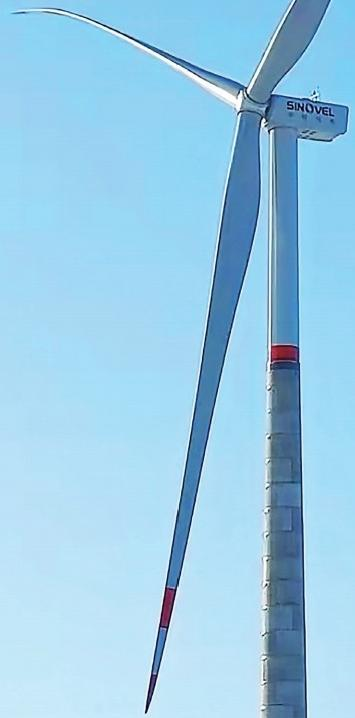
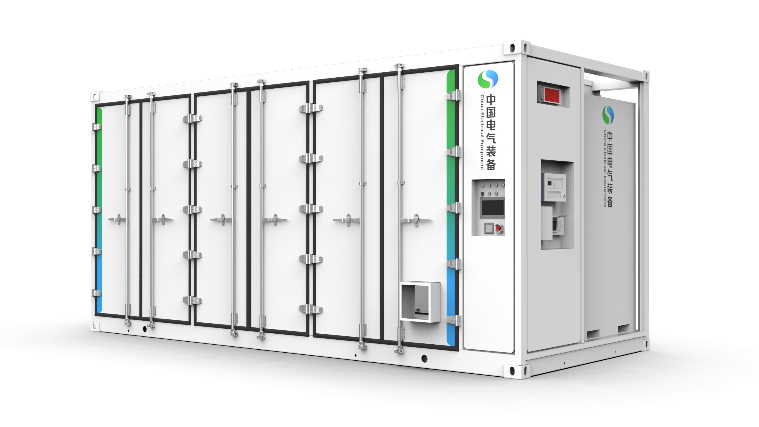
MESS8201-2507/5015-BN Prefabricated Liquid-cooled Energy Storage Battery Container
Xuchang Xuji Electric Science Energy Storage Technology Co., Ltd.
72.5kV 1250A 31.5kA SF6 free Gas-insulated Metal-enclosed Switchgear
Zhejiang Juhonkia Intelligent Electric Co., Ltd.
Standard Nozzle Flowmeter
Jinggong Automatic Control Instrument Complete Technology Development Company