US-based Silicon Ranch Launches 4MW Agrivoltaic System for Cattle Grazing
en.Wedoany.com Reported - US solar developer Silicon Ranch has launched a patented system called CattleTracker, which enables the coexistence of beef cattle farming and solar power generation on the same land by redesigning the structure of traditional solar power plants.
Global solar installed capacity is growing rapidly and is expected to approach 2,900 GW by the end of 2025, with solar accounting for over 75% of new renewable energy capacity additions worldwide. The International Energy Agency (IEA) estimates that global green installed capacity needs to triple by 2030, with solar accounting for nearly 80% of that. This growth is closely linked to international climate goals of limiting global warming to 2.7 degrees Fahrenheit above pre-industrial levels. However, solar power plants typically require vast, flat land—conditions that are also characteristic of high-quality agricultural land—leading to increasing competition for land use between agricultural communities and solar companies.
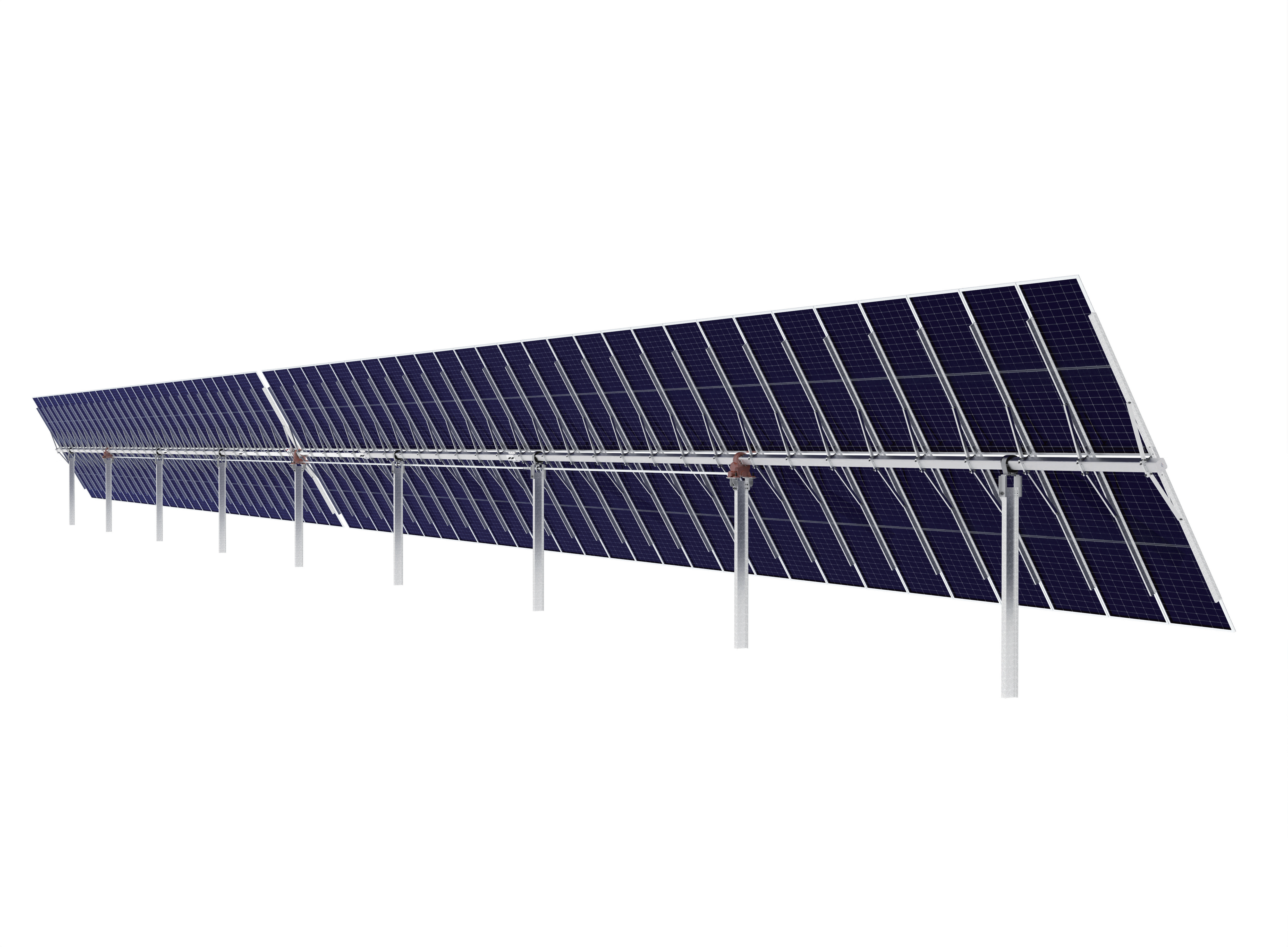
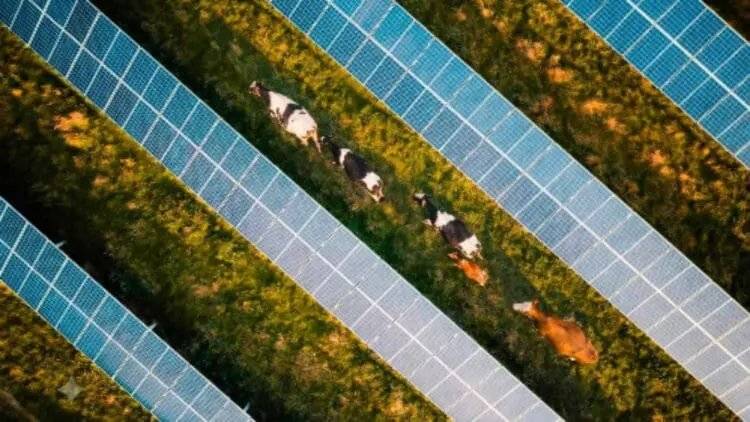
Agrivoltaics combines power generation and farming by sharing land. Sheep grazing among photovoltaic arrays has become relatively common, but the beef cattle market is far larger than the sheep market, and solar power plants had not previously been developed for beef cattle farming. Silicon Ranch's CattleTracker system specifically redesigns traditional solar fields for beef cattle. The system is deployed at the 4MW Christiana Solar Project in Tennessee: when cattle enter the pasture, the tracking software adjusts the panel arrays to grazing mode, with large panels rotating out of the way to create safe passage for the herd; electrical wiring is installed in locations inaccessible to livestock, and structural steel components are reinforced to withstand impacts from heavy bulls.
The Christiana Solar Project demonstrates that green energy and agriculture can coexist. Through intelligent engineering design and a dual-use framework, this model helps resolve potential land-use conflicts, protecting local food production and rural economic vitality while expanding solar installed capacity.
This article is compiled by Wedoany. All AI citations must indicate the source as "Wedoany". If there is any infringement or other issues, please notify us promptly, and we will modify or delete it accordingly. Email: news@wedoany.com
Related Products


Smart Photovoltaic Prefabricated Substation
Shanghai Jinyou Jinhong Intelligent Electric Co., Ltd.
TAI Slew-drive Single-axis Independent 1P Tracking Bracket System
ANTAI TECHNOLOGY CO., LTD.
72.5kV 1250A 31.5kA SF6 free Gas-insulated Metal-enclosed Switchgear
Zhejiang Juhonkia Intelligent Electric Co., Ltd.

220kV Composite Outdoor Cable Terminal
Shenyang Guolian Cable Accessories Manufacture Co., Ltd.