In March, Chalmers University of Technology in Sweden developed a 3D-printed building biomaterial using yeast.
en.Wedoany.com Reported - A research team led by Professor Malgorzata Zboinska at Chalmers University of Technology in Sweden has developed a biomaterial suitable for 3D printing architectural components, using deactivated baker's yeast, cellulose, algae, plant sugars, and water. The related study was published on March 5 in Frontiers of Architectural Research.
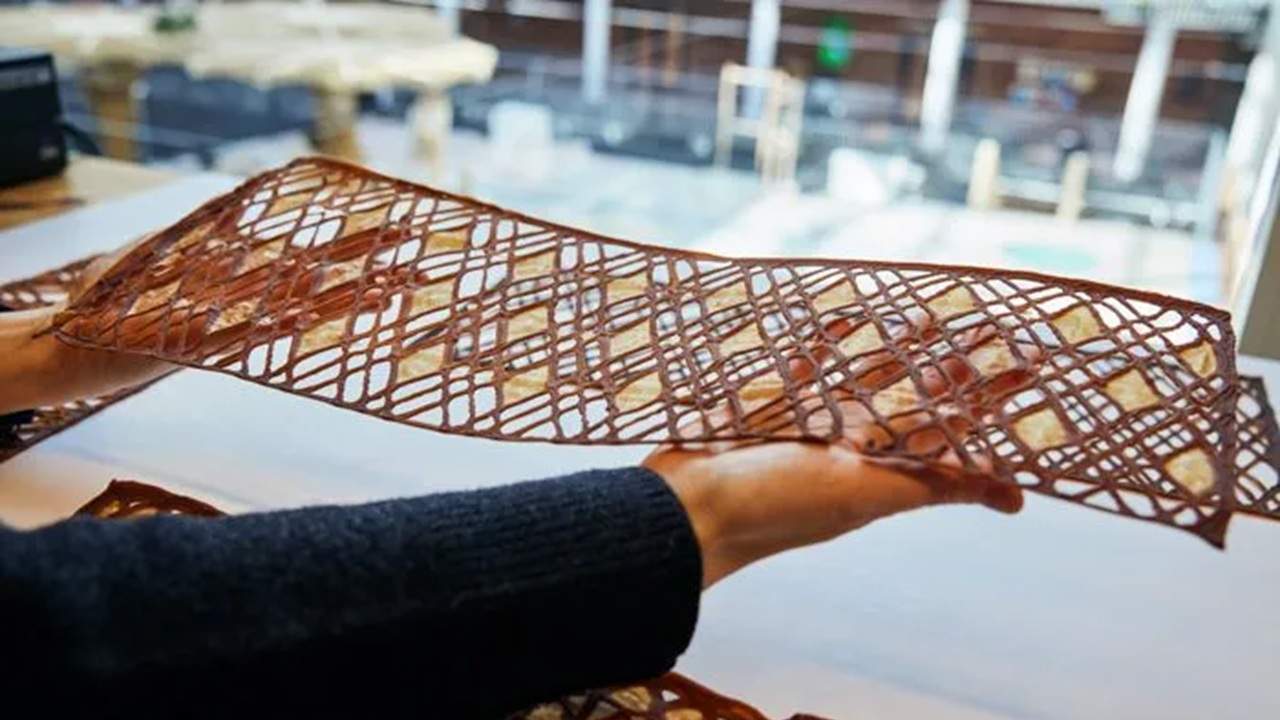
This experimental material is based on a moldable paste containing deactivated yeast, wood cellulose fibers, algal sodium alginate, plant sugars, and water. The mixture forms a uniform hydrogel that maintains its shape during digital manufacturing. Researchers first heated the yeast to deactivate it, ensuring no living cells remain in the final product. Printing is performed at room temperature under pressure, without the need for energy-intensive heating or additional support structures. After printing, the components air-dry naturally, with water evaporation hardening the gel into a lightweight, stable solid.
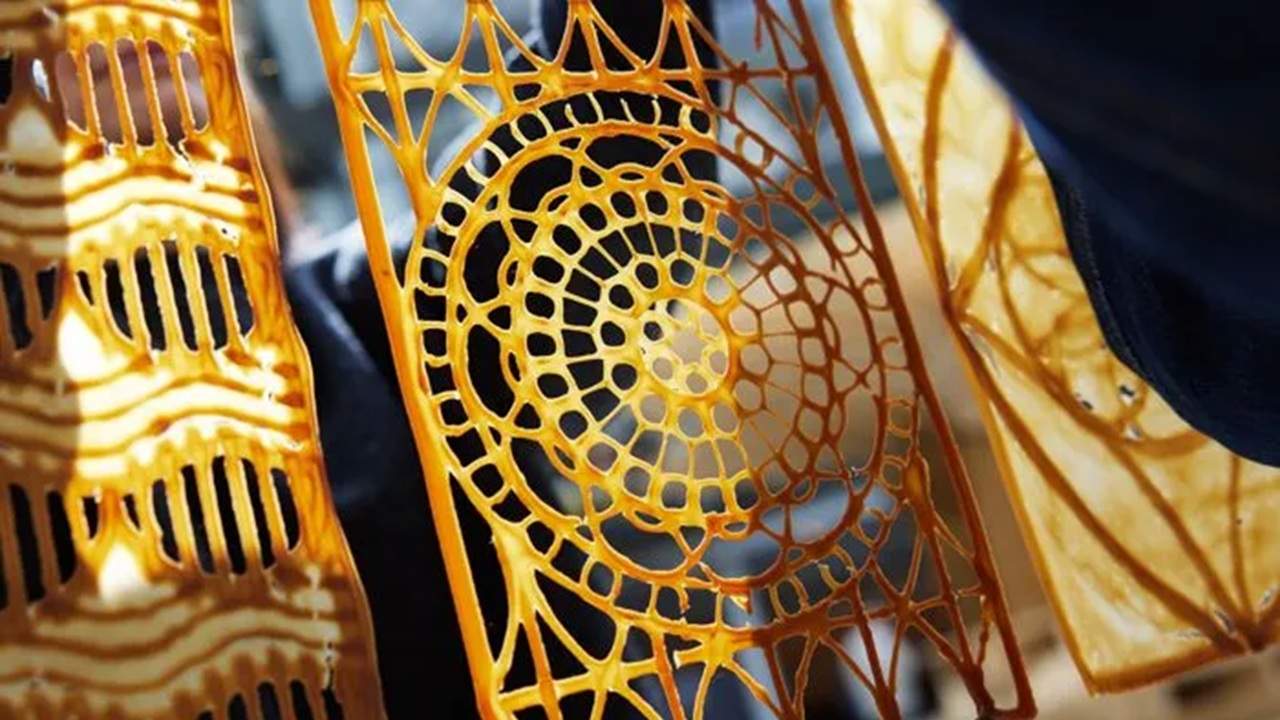
The printed prototypes measure 20×50 cm. Depending on the formulation and printing pattern, these components allow 5.6% to 31.6% of light to pass through. The research team successfully altered the material's color, texture, porosity, and translucency. The strongest components achieved an average tensile strength of 2.7 MPa and an elongation at break of up to 25.2%. The research team stated that the material's performance goal is not to replace structural materials such as steel and concrete, but rather to substitute indoor products derived from fossil fuels or those difficult to recycle. Potential applications include wall panels, partitions, light-control screens, wallpaper, curtains, synthetic tiles, and decorative plastic panels.
Research shows that intact yeast cells act as fillers and increase volume; when deactivated, they release internal components that help bind the mixture. This property allows performance changes through simple formulation adjustments. The biomaterial is not yet ready for practical application; the team has not tested its durability, long-term moisture response, thermal behavior, acoustic performance, or effects on individuals with yeast allergies. Additionally, improvements are needed in printing precision, scaling up production methods, and addressing bending and shrinkage issues during component drying.
Timothy Long, a professor and director of the Center for Biodesign for Sustainable Macromolecular Materials and Manufacturing at Arizona State University, noted that biomaterials are generally considered safer when discarded, but waste reduction still depends on protocols for collection, recycling, and reuse. He stated that the decomposition of bio-based materials may be safer than that of non-biodegradable materials.
This article is compiled by Wedoany. All AI citations must indicate the source as "Wedoany". If there is any infringement or other issues, please notify us promptly, and we will modify or delete it accordingly. Email: news@wedoany.com
Related Products


Ultra-Pure Ferrite Stainless Steel Products
Gansu JISCO Group Hongxing Iron and Steel Co., Ltd.

CITIC Heavy Industries Tunneling Equipment Tunnel Engineering Shield Machine
CITIC Heavy Industries Co., Ltd.
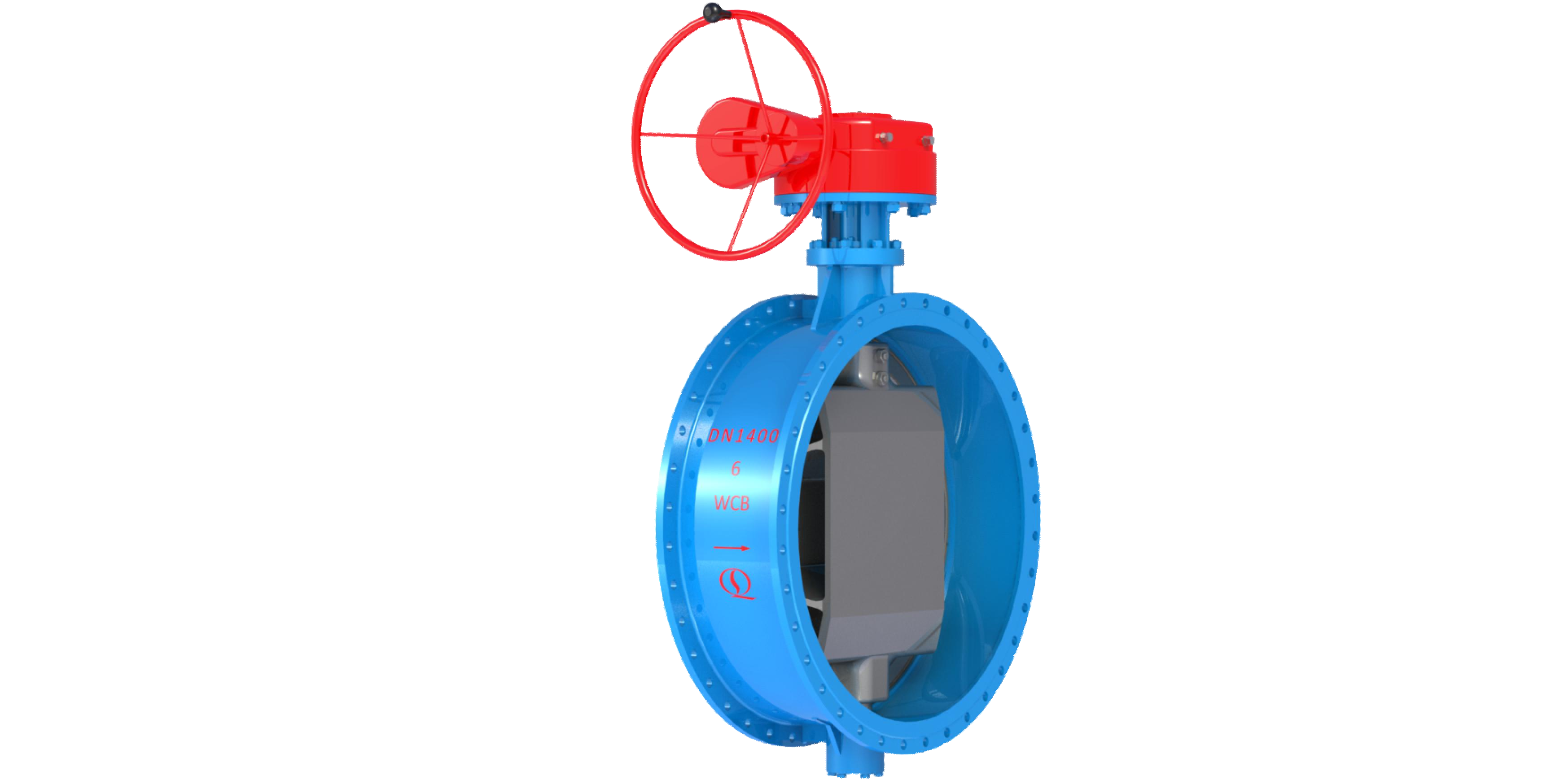
Bidirectional Metal Hard Sealed Seawater Butterfly Valve
Henan Quanshun Flow Control Science & Technology Co., Ltd.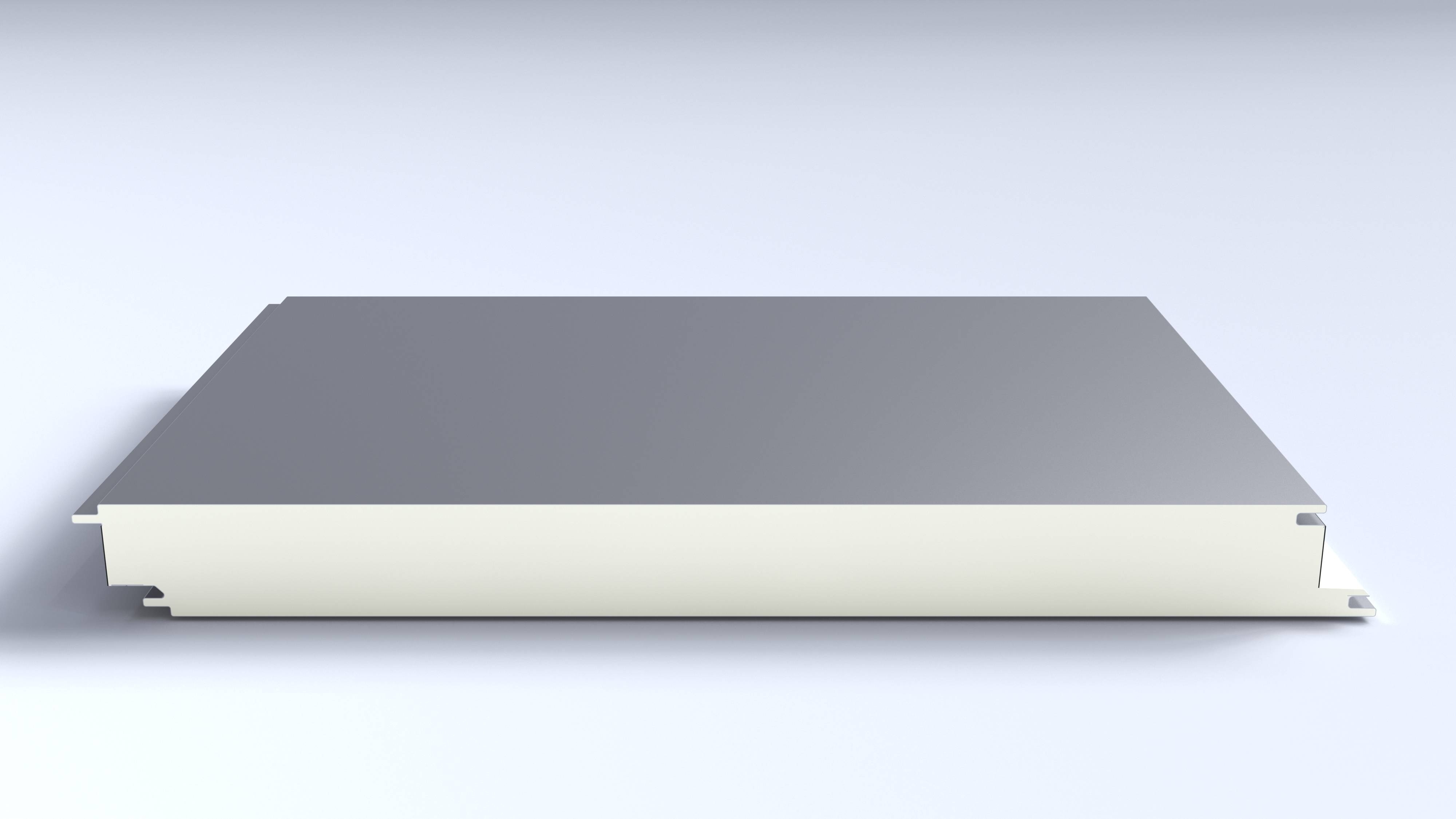
Pure Polyurethane Wall Panel BD-AEF-PIR-01
Baodu International Engineering Technology Co., Ltd.
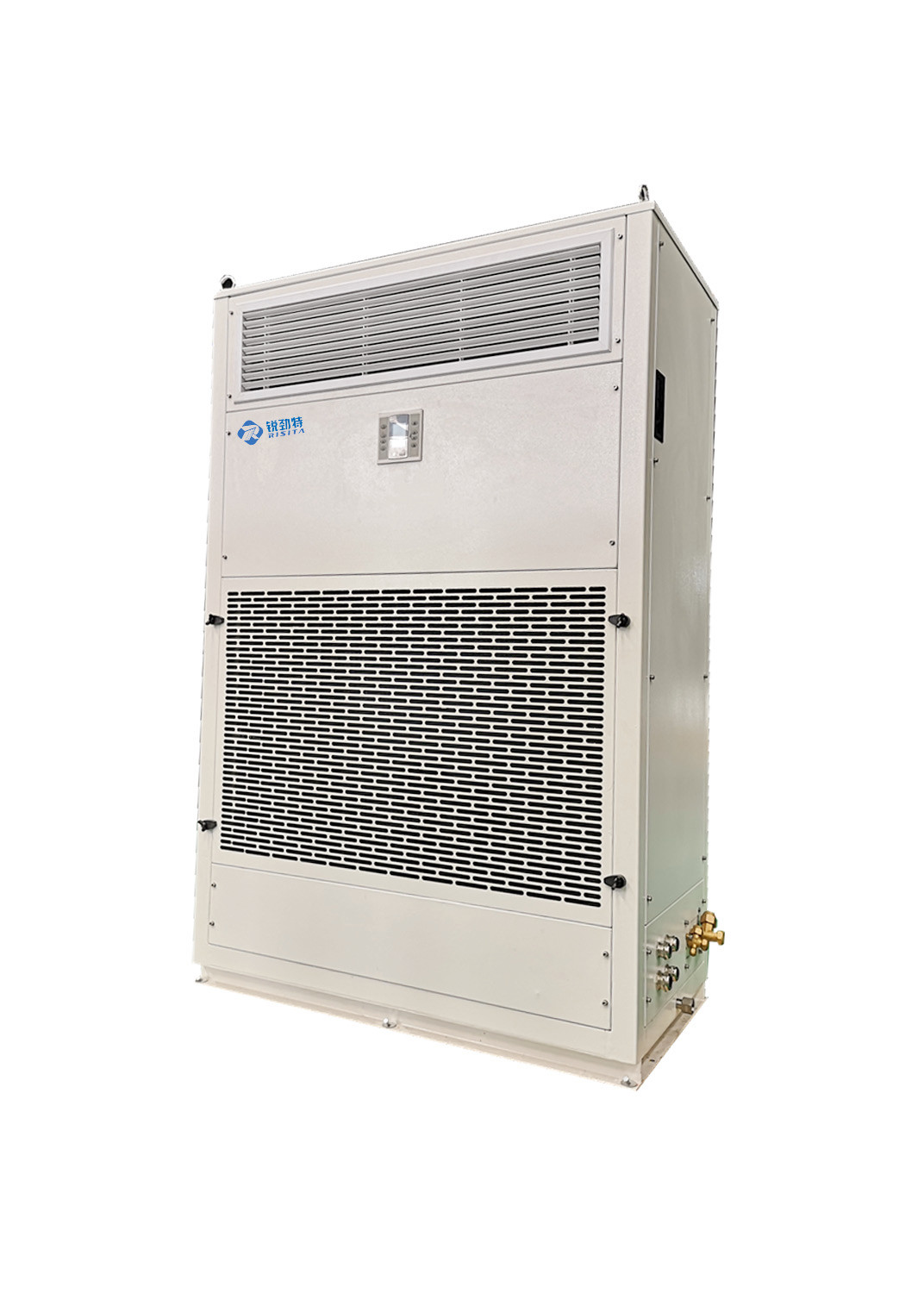
RISITA explosion-proof air conditioning
Guangdong RISITA Air Conditioning Equipment Co.,Ltd.

145kV Porcelain Column Type Sulfur Hexafluoride Circuit Breaker
TBEA ZONFA Shanghai High Voltage Switchgear Co., Ltd.