Ethio telecom Expands 4G LTE to 52 Towns
en.Wedoany.com Reported - On June 9, Ethiopian telecom operator Ethio telecom completed a new round of 4G LTE network expansion, extending high-speed mobile internet services to 52 towns across the country. The expansion covers multiple regions including Oromia, Amhara, South Ethiopia, Gambela, Benishangul-Gumuz, Harari, Somali, Tigray, and Afar, with a focus on enhancing mobile broadband access in remote and underserved communities.
The core of this 4G LTE expansion is to extend mobile internet infrastructure from major cities to more regional towns and grassroots communities. Given Ethiopia's large population and wide geographical distribution, mobile networks support multiple functions including resident communication, mobile payments, e-commerce, online education, government services, and digital access for small and micro enterprises. Among the 52 newly covered towns, Oromia and Amhara account for a higher proportion, while regions such as Gambela, Benishangul-Gumuz, Somali, and Afar have also gained new access points. For these areas, 4G LTE not only improves internet speed but also transforms the availability of mobile financial services, access to online educational resources, reach of telemedicine, dissemination of agricultural information, and organization of local commercial activities. The deeper the network extends into grassroots communities, the more likely digital services will evolve from tools for urban users into broader public infrastructure.
In recent years, Ethio telecom has continuously advanced mobile network modernization and improved national broadband coverage and service quality through multiple rounds of LTE upgrade projects. The addition of 52 towns is a continuous effort to narrow the urban-rural connectivity gap and expand digital inclusion coverage.
Ethiopia's digital economy development requires foundational network infrastructure as a prerequisite. The widespread adoption of mobile payments, online markets, government digital services, and enterprise cloud applications all depend on stable, low-cost, and scalable mobile broadband networks. For operators, network construction in remote areas typically faces multiple constraints such as site construction costs, transmission backhaul, power supply, equipment maintenance, and user affordability, with commercial payback periods longer than in major cities. However, if basic communication capabilities cannot cover more towns, the digital economy will create new geographical disparities, and the digital dividends of education, finance, commerce, and public services will struggle to reach grassroots communities. By continuing to push 4G LTE into more areas, Ethio telecom can strengthen users' daily reliance on mobile internet and lay the foundation for subsequent additions of digital finance, e-commerce, cloud services, video content, and enterprise connectivity products.
This expansion also reflects a common direction in African operator network construction: while 5G pilot projects and digital platform services advance, 4G LTE remains the primary technology for expanding mobile internet penetration in most countries. Compared to 5G, 4G terminals are more affordable, coverage capabilities are more mature, and the ecosystem is more complete, making it better suited to support large-scale inclusive connectivity. As new towns gain access to high-speed mobile networks, Ethio telecom must continue to advance network stability, terminal affordability, digital skills training, and localized application services to transform "coverage" into "frequent use" and "genuine digital participation."
This article is compiled by Wedoany. All AI citations must indicate the source as "Wedoany". If there is any infringement or other issues, please notify us promptly, and we will modify or delete it accordingly. Email: news@wedoany.com
Related Products
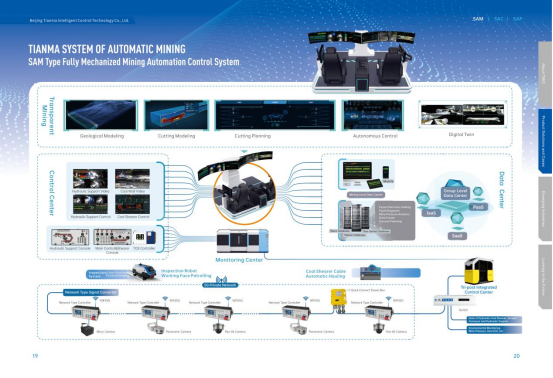

Comprehensive Mining Automation Control System
Beijing Tianma Intelligent Control Technology Co., Ltd.

20 Inch 1600*900 Full HD 60Hz TFT LED Monitor with VGA and DP Interfaces for Desktop Computers-Business Use
Guangzhou Zanying Optoelectronics Technology Co., Ltd.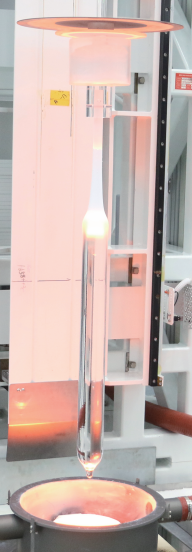
G.652.D Wavelength-extended Non-dispersion Shifted Single-mode Optical Fiber
HONGAN GROUP CO., LTD.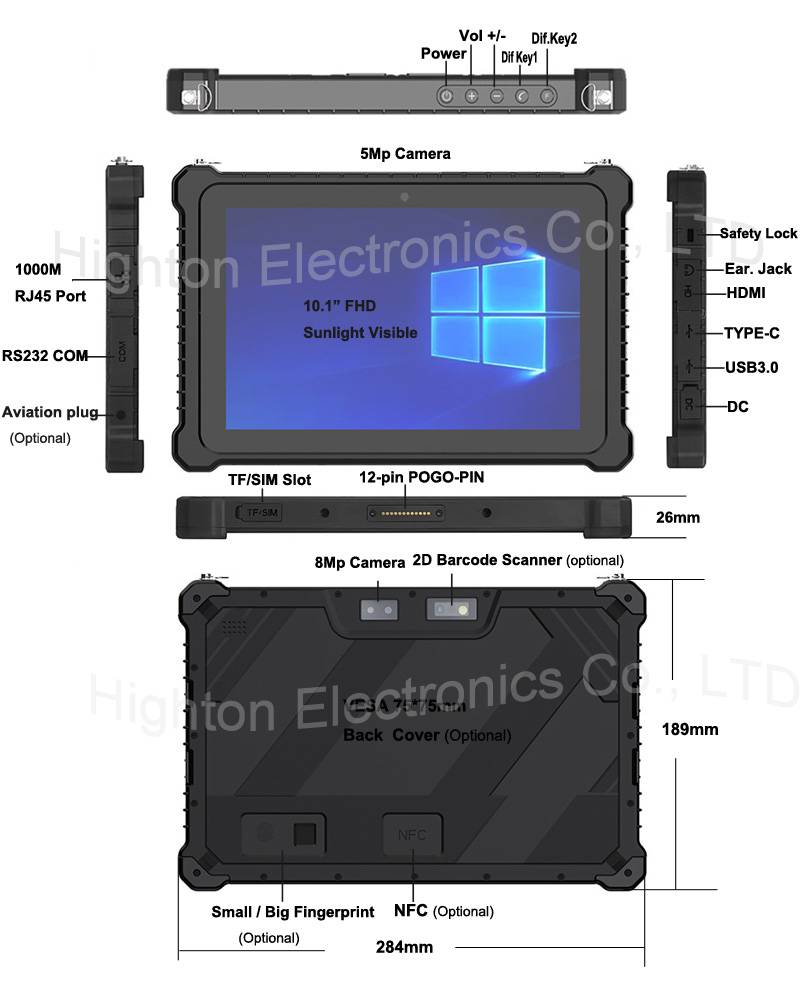
Hot Selling 10 Inch Intel N5100 I5 I7 FHD 8 +128GB 16+256GB Win10 Pro Win11 Pro 4G 5G Rugged Tablet PC Pad with NFC Barcode
Highton Electronics Co., Ltd.


Industrial and Commercial Point-Type Gas Detector
Jinan Benan Technology Development Co., Ltd.