en.Wedoany.com Reported - Among the many airlines that have attempted to operate transatlantic low-cost routes, LEVEL is one of the few success stories, having done so for nearly a decade. This Spanish carrier, part of International Airlines Group (IAG), is expected to see continued growth at Barcelona El Prat Airport (BCN).
Over the past decade, several airlines, including Norwegian Air Shuttle and Norse Atlantic Airways, have failed to achieve stable profitability under this model. Norwegian had a fleet of 35 Boeing 787 aircraft before ceasing operations in 2021. Norse Atlantic, which filled the gap, continues to incur losses, with its share price down 99% since listing on the Euronext Oslo in 2021, and recent reports suggest it may be sold due to tightening finances. Other smaller carriers also face intense competition and the challenge of long-haul economics not supporting short-haul low-cost models.
LEVEL was founded by IAG in 2017, initially operating as a brand with flights flown by Iberia, to counter Norwegian's expansion in core markets. In December 2024, the airline obtained its own Air Operator Certificate (AOC), officially becoming an independent carrier.
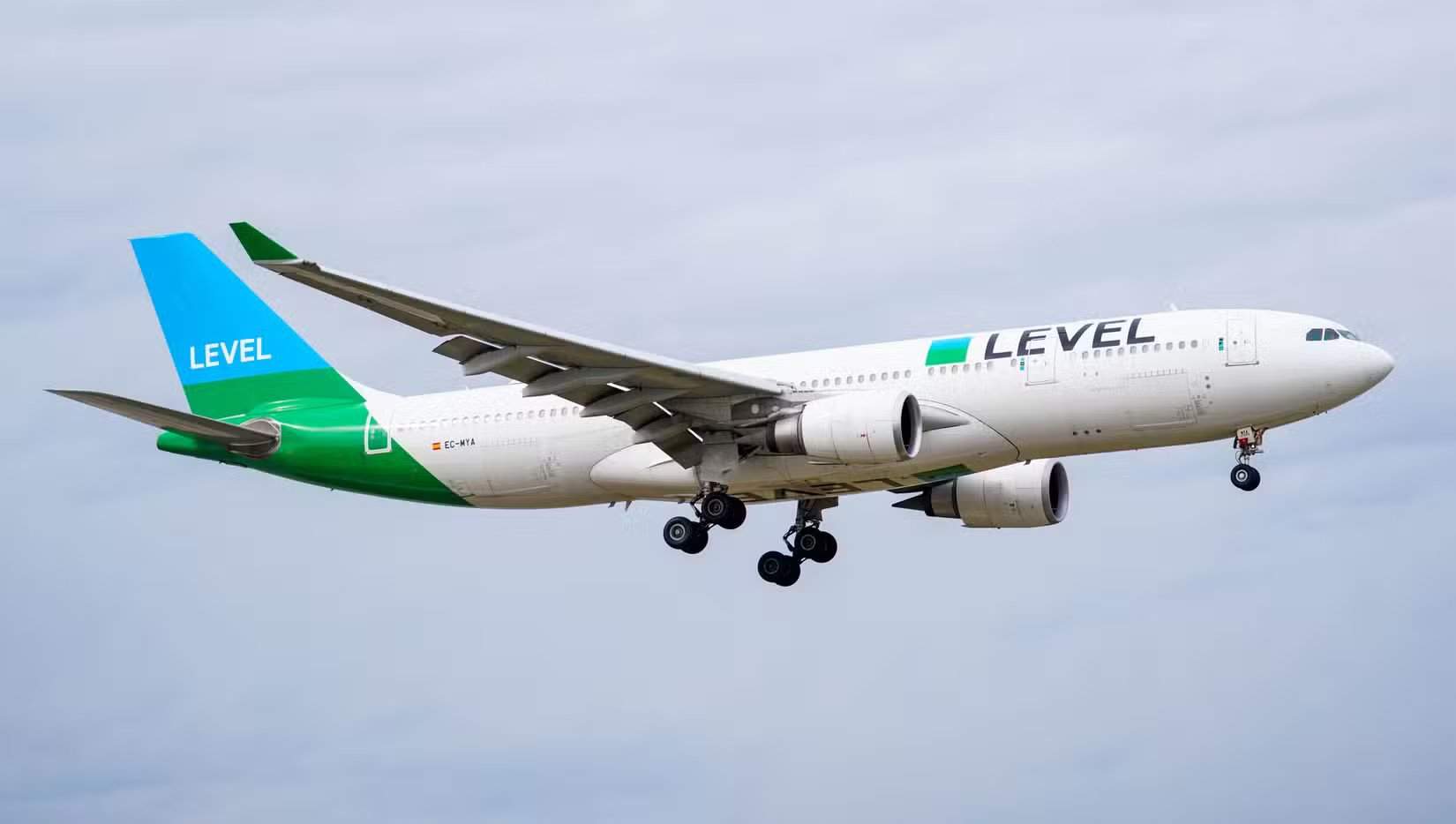
After its founding, LEVEL rapidly expanded its route network. Three months after its announcement in March 2017, it launched flights from Barcelona to Auckland, Los Angeles International Airport, Punta Cana, and Buenos Aires. According to Spanish newspaper El Economista, initial ticket sales exceeded expectations. In 2018, the airline began operations from Paris Orly Airport using OpenSkies' AOC under IAG, and replaced the OpenSkies brand with LEVEL that summer, replacing its aging Boeing fleet with three Airbus A330-200s. From Paris, LEVEL launched flights to French overseas territories in the Caribbean, as well as Montreal and Newark, and briefly operated a Paris to Las Vegas route in 2019. Meanwhile, Barcelona added destinations such as Boston, New York JFK, and Santiago, Chile. In 2020, with the closure of OpenSkies, LEVEL fully withdrew from Paris and reduced capacity in Barcelona. Additionally, IAG established LEVEL Europe between 2018 and 2020 using the LEVEL brand with Vueling at Amsterdam Schiphol Airport and Vienna, but this attempt was unsuccessful and entered liquidation in 2020.
After the pandemic, LEVEL consolidated its Barcelona hub, optimized its route network, added Miami and Lima, and discontinued Cancun and Punta Cana. The airline currently operates flights to four U.S. destinations and three South American destinations. A planned four-times-weekly service to San Francisco for summer 2025 was not realized due to engine shortages and supply chain constraints. In 2025, LEVEL holds a 16% share of long-haul capacity in Barcelona and a 46% share in the South American market. Compared to 2024, the airline's passenger numbers increased by 12%, with year-on-year growth of 21% between 2023 and 2024. For the full year 2025, available seat kilometers grew by 9.6%, and the average load factor reached a high of 92.4%. Its profitability is not separately disclosed in IAG's annual report, as the operating segment's size "does not exceed the quantitative threshold for reporting." Chairman and CEO Rafael Jiménez Hoyos stated that 2025 marked the milestone of obtaining its own code.
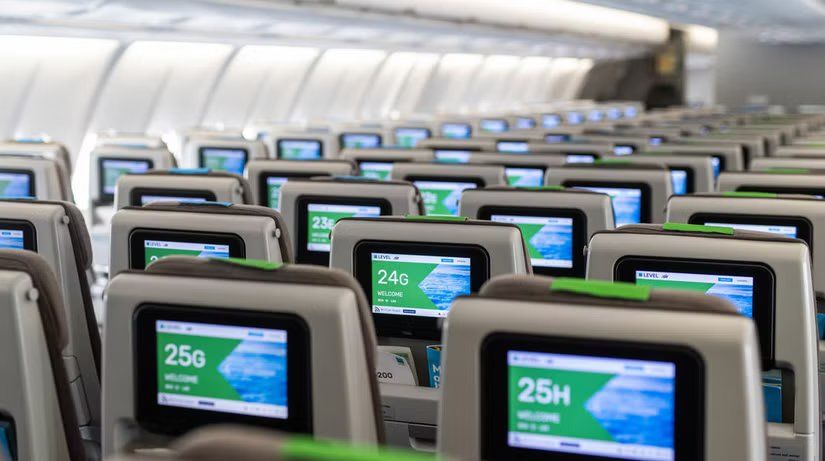
Currently, the airline operates seven A330-200 aircraft, with plans to increase to eight in 2026, but growth is constrained as one aircraft was not delivered. The average age of the fleet is approximately 11 years, with the oldest at 14 years and the newest at 7 years, most previously operated by Iberia. LEVEL's 2026 route network includes: Lima (3 weekly), New York JFK (3 to 6 weekly), Miami (3 to 4 weekly), Los Angeles (3 to 4 weekly), Santiago, Chile (3 to 4 weekly), Boston (3 weekly), and Buenos Aires (daily). By sourcing aircraft from within IAG, the airline benefits from lower ownership costs. The A330-200 offers operational flexibility, high-density configuration reduces per-seat costs, and limited capacity mitigates the risk of insufficient demand.
LEVEL's success where others have failed lies in its strategic role within IAG and its advantage in the Barcelona market. Low-cost long-haul airlines typically face high fixed costs and thin margins. By leveraging group resources, financing, and operational expertise, LEVEL significantly reduces risk and costs. Its core market, Barcelona, has a leisure-oriented profile well-suited to the low-cost model, and the strong historical and cultural ties between Spain and Latin America generate significant visiting friends and relatives (VFR) traffic. Additionally, IAG's Vueling, with its hub in Barcelona, connects passengers from across Europe to LEVEL. In contrast, the airline's brief operation in Paris was unsustainable due to intense competition from legacy and low-cost carriers, leading to its withdrawal after the pandemic. As part of IAG, LEVEL creates strategic value by defending market share in Barcelona and strengthening the group's network, without primarily serving as a profit engine.
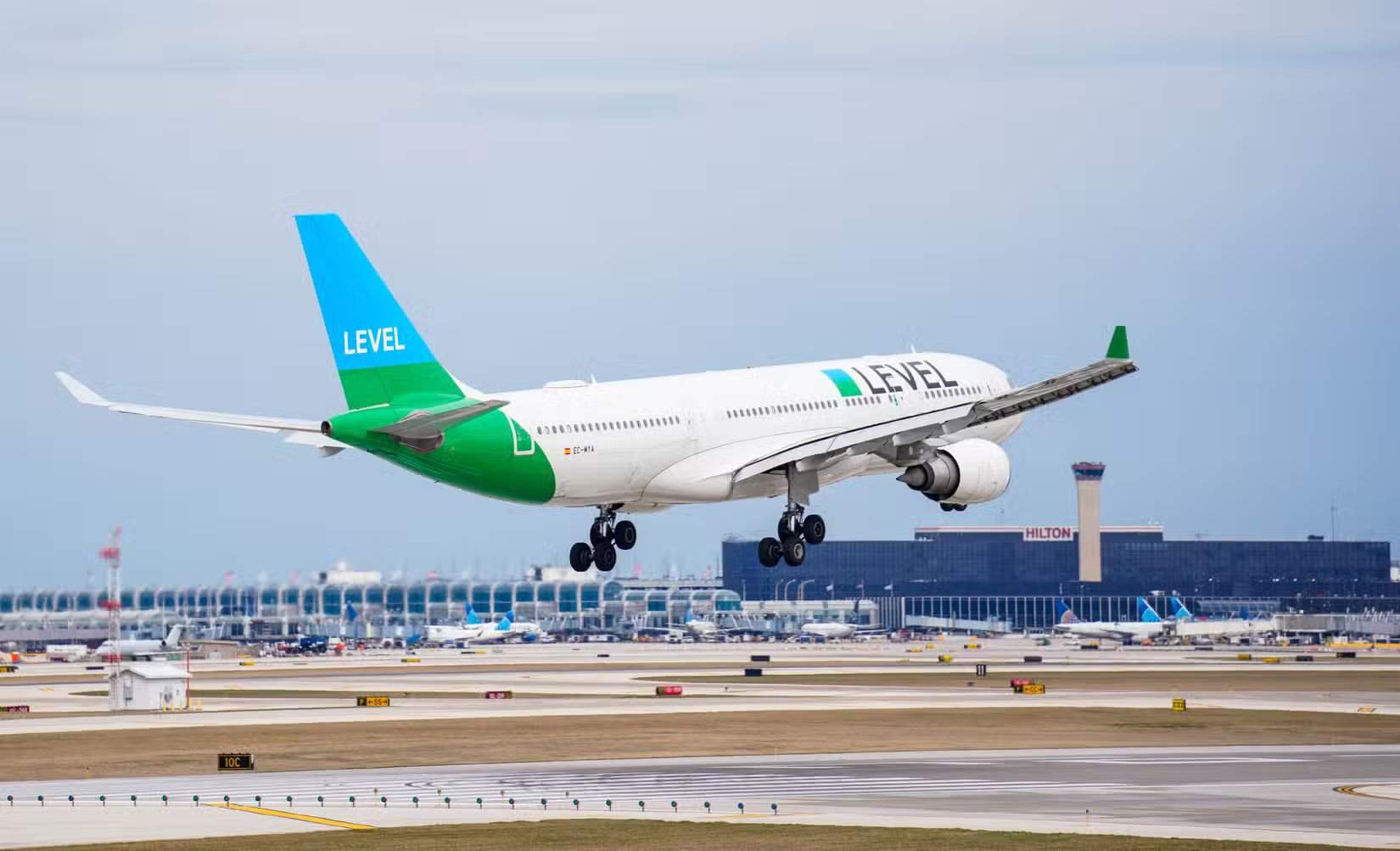
After obtaining its own AOC, LEVEL became an independent carrier with full operational and legal autonomy, clearing the path for growth. The airline states it will continue to focus on its existing network. Current capacity is primarily used to strengthen the existing network, with only the addition of three weekly flights to Lima, while the San Francisco route has been suspended. In the future, LEVEL may receive some of the 21 A330neo aircraft ordered by IAG, expected for delivery around 2028. These new aircraft will further reduce per-seat costs and improve the passenger experience.
This article is compiled by Wedoany. All AI citations must indicate the source as "Wedoany". If there is any infringement or other issues, please notify us promptly, and we will modify or delete it accordingly. Email: news@wedoany.com