en.Wedoany.com Reported - COP31 President-Designate Murat Kurum of Turkey and Australia's chief negotiator Chris Bowen proposed making electrification a top priority in climate action at the Bonn climate talks, calling it a blueprint for climate action.
Bowen said he hopes the COP talks in Antalya, Turkey this year will "draw inspiration" from these targets, particularly pushing for "strong outcomes" in shifting from fossil fuels to electricity to power vehicles, industry, and buildings.
The proposed electrification target, based on analysis by the International Renewable Energy Agency (IRENA), is known as the "35 by 35" goal, aiming to increase electricity's share of final energy consumption from the current roughly 20% to 35% by 2035. This will be achieved by accelerating the deployment of technologies such as heat pumps, electric vehicles (EVs), and electric stoves.
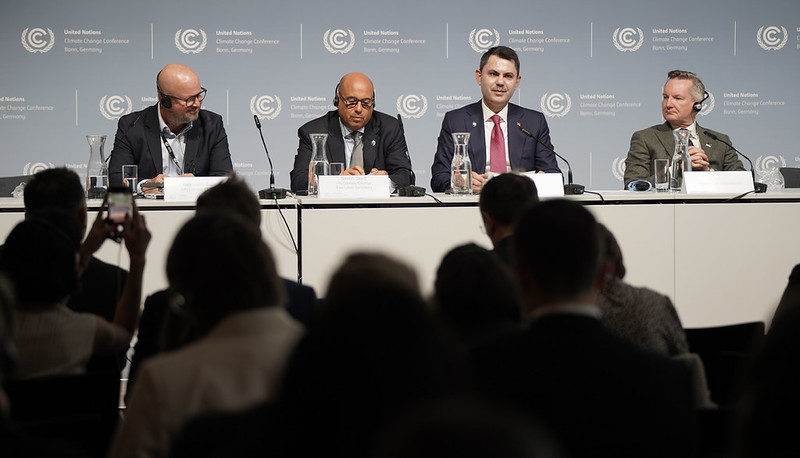
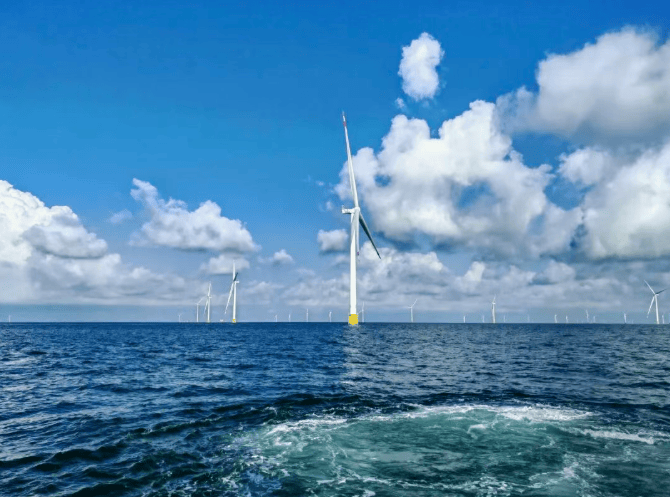
Bowen emphasized that he wants to lead a push focused on "electrifying everything that can be electrified, and ensuring as much of that electricity as possible comes from renewable sources." He called electrification "the key to getting off fossil fuels" and urged negotiators to remember that there are only nine years left until 2035.
Simon Stiell, Executive Secretary of the United Nations Framework Convention on Climate Change (UNFCCC), said in his address in Bonn that tackling the climate crisis is the "toughest" challenge, calling for greater ambition from all parties.
Kurum stated that the COP presidency will work to build "a strong, ready, and determined global alliance" and pledged to facilitate access to technical assistance, especially for developing countries. Fatih Birol, head of the International Energy Agency (IEA), noted that the world is already electrifying due to global oil shocks and the growth of electricity-consuming sectors such as air conditioning, electric vehicles, and AI data centers. The IEA will release a special report outlining the path to achieving the target.
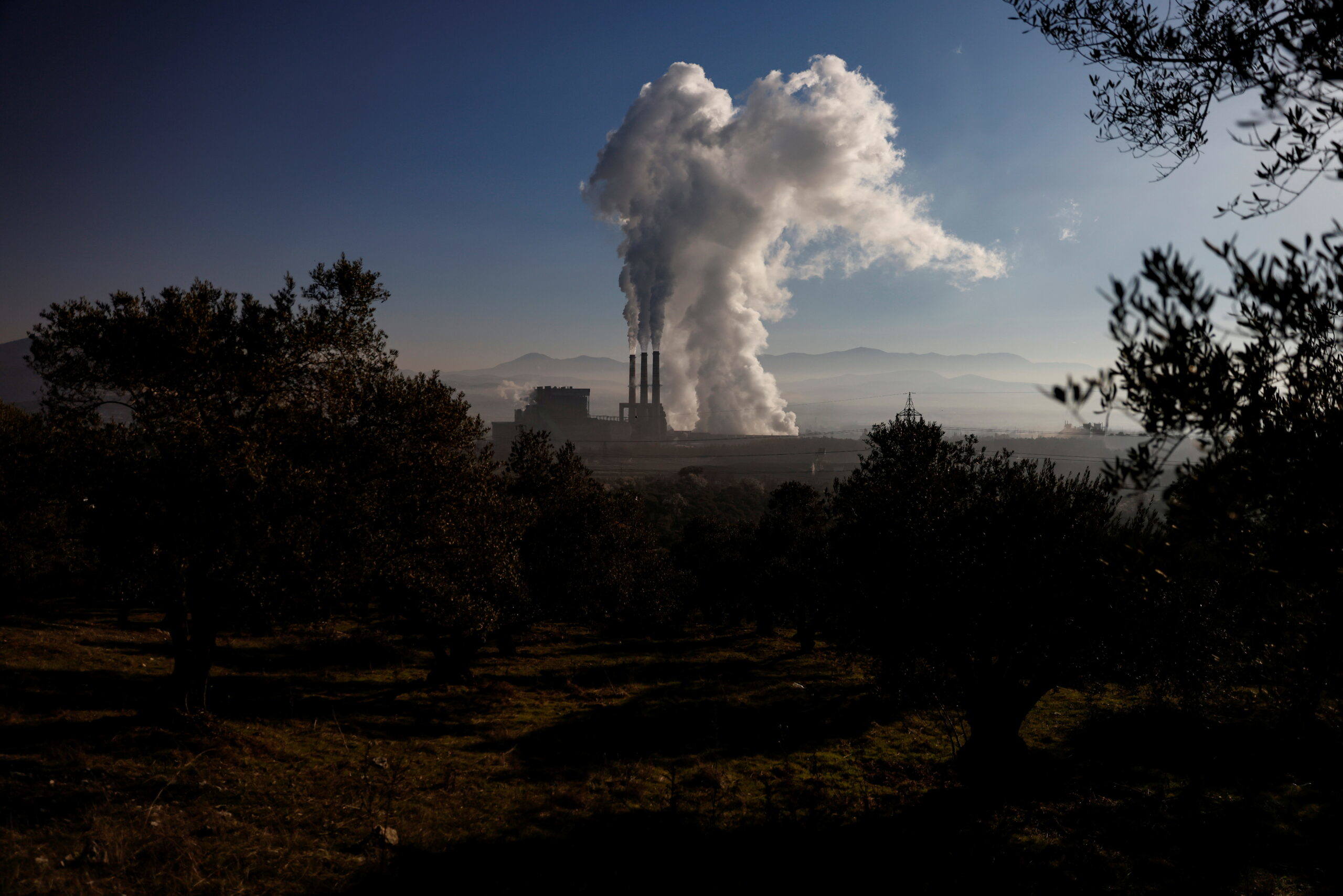
Bowen told reporters in Bonn that there is strong interest in electrification around the world, and the COP presidency wants to "seize on that in the negotiations." Duygu Kutluay of climate activist group Beyond Fossil Fuels called elevating electrification as a flagship priority a "positive step," but also warned that "electrification only delivers meaningful climate benefits when the electricity comes from renewables, not fossil fuels." Berkan Ozyer, director of Greenpeace Turkey, said the electrification target is "crucial," but noted that Turkey has 37 active coal-fired power plants.
On building targets, the COP presidency quietly revised its original goal. An initial statement on Monday set a target of "improving building energy efficiency by at least 25% by 2035," but in an update released on Tuesday, this was replaced with "reducing energy consumption intensity in the building sector by at least 25% by 2035." No reason was given for the change, and Kurum did not directly respond to questions from Climate Home News. Roxana Dela Fiamor, global policy lead at the U.S. Green Building Council, said that energy efficiency improvements and energy intensity reduction are complementary indicators, but focusing solely on energy intensity could be achieved through short-term measures, potentially delaying the building sector's critical role in the energy transition, as energy efficiency requires significant investment and structural measures, while energy intensity is easier to achieve but less comprehensive.
On waste targets, the COP31 presidency set a goal of halving global waste growth by 2035, but key details are missing. Kurum said waste is "one of the areas where the fastest results can be achieved," but did not specify the baseline or the types of waste covered. A COP31 spokesperson did not immediately respond to a request for clarification from Climate Home News. Mariel Vilella, climate director at the Global Alliance for Incinerator Alternatives, said it is "encouraging" to see waste gaining attention, but "without clarity on the baseline, scope, and implementation pathway, the target remains difficult to assess," and success should depend on whether it drives real change. The United Nations Environment Programme (UNEP) estimates that without action, municipal waste could grow from 2.1 billion tons to 3.8 billion tons by 2050.
The COP31 co-presidency also proposed a new climate finance initiative—the Climate Implementation Bridge (CIB)—to help countries make progress on the proposed targets. Kurum said the initiative does not involve creating new funds or financial mechanisms and is a complementary effort. However, Rebecca Thissen of CAN International argued that adding new processes without simplifying the existing system could cause confusion and be counterproductive.
This article is compiled by Wedoany. All AI citations must indicate the source as "Wedoany". If there is any infringement or other issues, please notify us promptly, and we will modify or delete it accordingly. Email: news@wedoany.com