Kazakhstan Launches 'Smart Water Zone' Project, Water-Saving Technology to Cover 1.3 Million Hectares by 2030
en.Wedoany.com Reported - The Ministry of Water Resources and Irrigation of Kazakhstan is steadily advancing the "Smart Water Zone" ecological project, requiring enterprises to formulate five-year water-saving plans to address increasingly severe water resource challenges. By 2030, the country plans to expand the application area of water-saving technologies to 1.3 million hectares through modern technology.

Currently, approximately 60% of the country's water consumption comes from the agricultural sector. In recent years, the adoption of water-saving technologies in this sector has accelerated significantly, with the application area increasing from 30,000 hectares in the past to an annual addition of 150,000 hectares, expected to reach 1.3 million hectares by 2030. Janibek Nabiyev, head of the Industrial Water-Saving Technology Application Department at the Ministry of Water Resources and Irrigation, stated that the transition period for the industrial sector will end this year. By 2027, all enterprises must develop five-year water-saving plans, clearly defining water consumption reductions, accurately accounting for losses, and introducing water recycling technologies.
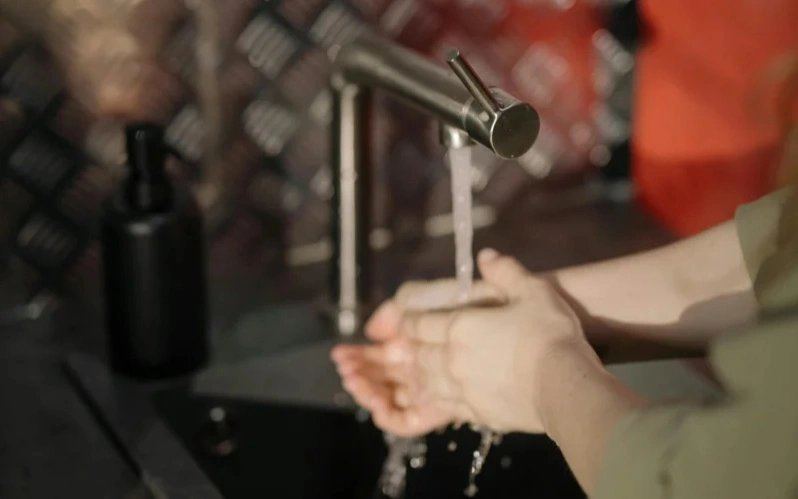
Nabiyev noted that there are approximately 5,600 large and medium-sized enterprises nationwide, of which 93 key enterprises account for 95% of total industrial water consumption. The requirement for five-year water-saving plans will first be enforced on these major water users. Additionally, in the construction of schools, kindergartens, and various social infrastructure projects, the state will promote "smart" water-saving systems, including sensor faucets and push-button water-saving devices. The Ministry of Water Resources and Irrigation added that new building standards are being developed, stipulating that buildings not equipped with water-saving technologies shall not be put into use, marking a pragmatic step in national water conservation efforts.

To incentivize enterprises to adopt water-saving technologies, the "Smart Water Zone" ecological project has entered its implementation phase. The project covers industrial enterprises, hotels, restaurants, shopping centers, office buildings, and educational institutions. Under the project framework, the water systems of each participating unit will undergo rapid assessment and receive tailored water-saving solutions. The organizers plan to compile professional analysis reports based on collected data, examining water consumption structures, regional characteristics, and water-saving potential across various industries, providing specific recommendations for improving water efficiency. The Water Resources Information Analysis Center and the "Green City" Association have signed a memorandum of cooperation, with the center assessing the water consumption of participating enterprises and providing methodological support for implementing water-saving measures.
Zhanna Khazhzhanova, Deputy Chairperson of the Board of the Water Resources Information Analysis Center, pointed out that the new version of the "Water Code" provides direction for enterprises, and proactive water conservation is preparation for the future. For businesses, reducing water consumption is a core element in ensuring production sustainability. By participating in the "Smart Water Zone" project, companies can benchmark their indicators against industry standards and develop feasible consumption reduction plans. Previously, relevant institutions launched a similar "Smart Plastic Zone" initiative, in which over 70 enterprises nationwide participated.
This article is compiled by Wedoany. All AI citations must indicate the source as "Wedoany". If there is any infringement or other issues, please notify us promptly, and we will modify or delete it accordingly. Email: news@wedoany.com
Related Products

TAI Slew-drive Single-axis Independent 1P Tracking Bracket System
ANTAI TECHNOLOGY CO., LTD.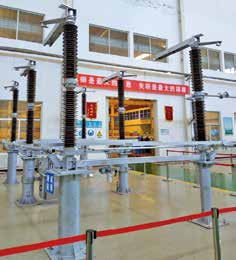
GW4-40.5/72.5/126/145/170/252/363/420 Series Double-column Horizontal Rotary High-voltage AC Disconnect Switch
SHANDONG TAIKAI DISCONNECTORS CO., LTD.


1000kV Jin Southeast-Nanyang-Jingmen UHV AC Transmission and Transformation Pilot Demonstration Project
Anhui Hongyuan Steel Tower Co., Ltd.