India's Infrastructure Investment Drives Rise of Second and Third-Tier Cities
en.Wedoany.com Reported - The Indian government's investments in infrastructure, including roads, airports, and railways, are reshaping the geographic landscape of the country's economic growth. The development narrative, long dominated by a handful of major metropolises like Delhi, Mumbai, and Bengaluru, is increasingly being complemented by the rise of second and third-tier cities.
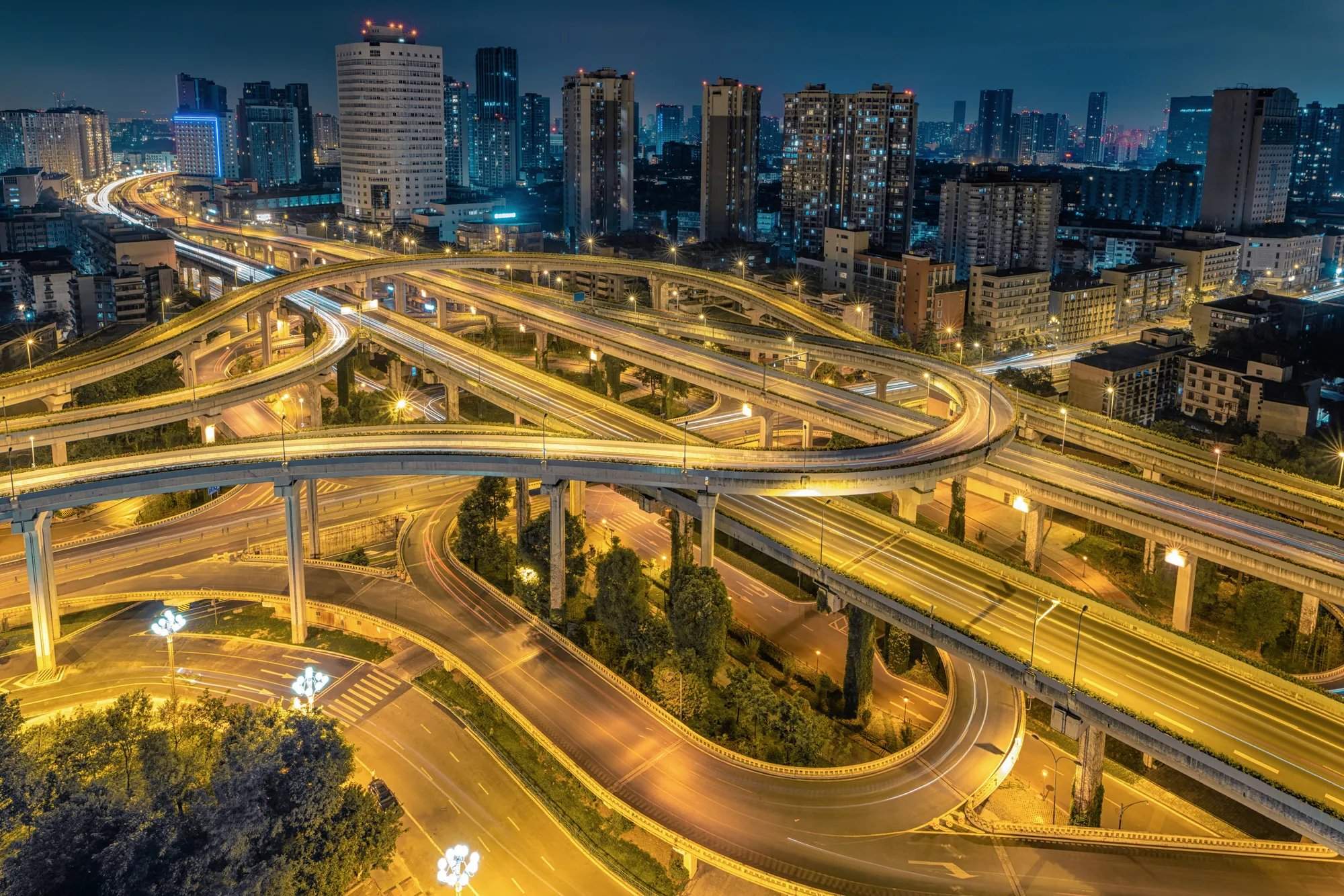
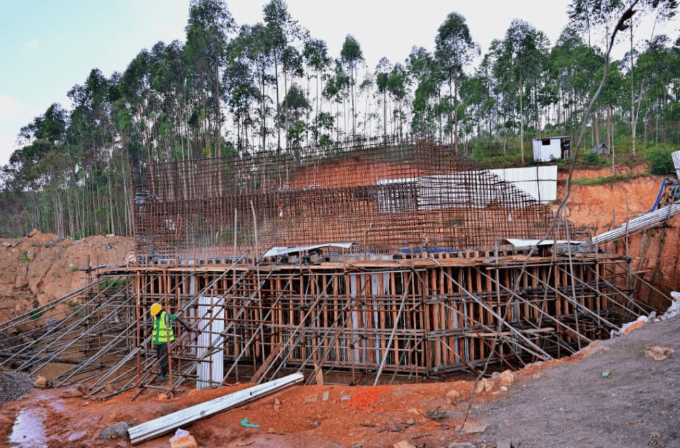
Traditionally, India's development story revolved around a few major metropolises, with smaller cities often viewed as markets with future potential rather than current economic drivers. Over the past few years, this perception has undergone a significant shift. Public infrastructure development has played a central role: new highways, airports, railway upgrades, industrial corridors, and urban redevelopment projects have not only improved regional connectivity but fundamentally altered market expectations for these smaller and medium-sized cities. This transformation is unfolding across India on an unprecedented scale, with impacts extending far beyond the transportation sector itself.
The government's infrastructure push is no longer confined to metropolitan areas. Initiatives such as the Prime Minister Gati Shakti (PM Gati Shakti), Bharatmala, Smart Cities Mission, and the Regional Connectivity Scheme (UDAN, Ude Desh ka Aam Nagrik) are significantly enhancing road, rail, and air accessibility in emerging cities within states like Uttar Pradesh, Madhya Pradesh, Rajasthan, Gujarat, Tamil Nadu, and Odisha. Data shows that India's national highway network has grown from 91,287 kilometers in 2014 to over 146,000 kilometers in 2024. During the same period, the pace of highway construction has nearly tripled, and the number of operational high-speed corridors has increased dramatically.
In Uttar Pradesh, for example, the completion of projects like the Purvanchal Expressway and the Bundelkhand Expressway has markedly improved access to cities such as Lucknow, Prayagraj, Gorakhpur, Kanpur, and Ayodhya. Airport development, railway station modernization, road expansion, and hotel investments are stimulating tourist traffic and economic activity in these cities on an unprecedented scale.
Improved connectivity provides confidence for corporate investment. Better roads and shorter travel times directly drive growth in the retail, hospitality, and residential markets. Homebuyer sentiment is also changing. Post-pandemic, more professionals are reassessing the challenges of high living costs and long commutes, instead favoring second-tier cities that offer lower living costs, continuously improving infrastructure, and relatively affordable housing. The prevalence of remote and hybrid work models is prompting many families and entrepreneurs to seriously consider these emerging markets.
Digital connectivity adds a new dimension to this shift. Widespread access to better internet, digital payments, online education, and e-commerce is narrowing the gap in consumption and lifestyle expectations between metropolitan and non-metropolitan areas. Today, residents of smaller cities are demanding housing, organized retail spaces, entertainment centers, quality healthcare, and modern social infrastructure at levels approaching those of metropolises. This demand is driving diversified opportunities in residential, retail, commercial, and mixed-use development.
From an urban structure perspective, a balanced distribution of infrastructure helps alleviate the population and economic pressures concentrated in a few major metropolises. Cities once considered secondary markets are now being viewed as long-term growth destinations with strong economic potential. This confidence is directly built upon sustained public infrastructure investment.
India's next phase of urban growth will no longer rely solely on the outward expansion of metropolises. Second and third-tier cities are expected to shoulder a larger share of housing demand, tourism growth, industrial activity, and business expansion. The physical foundation for this transformation is being laid by the infrastructure currently being rolled out on a massive scale.
This article is compiled by Wedoany. All AI citations must indicate the source as "Wedoany". If there is any infringement or other issues, please notify us promptly, and we will modify or delete it accordingly. Email: news@wedoany.com
Related Products
![IVECO Cash-in-Transit [DMT5048XYCL3-AM] - Chongqing Dima Industry Co., Ltd](https://img.wedoany.com/2026/0911/20260911030157582.png)




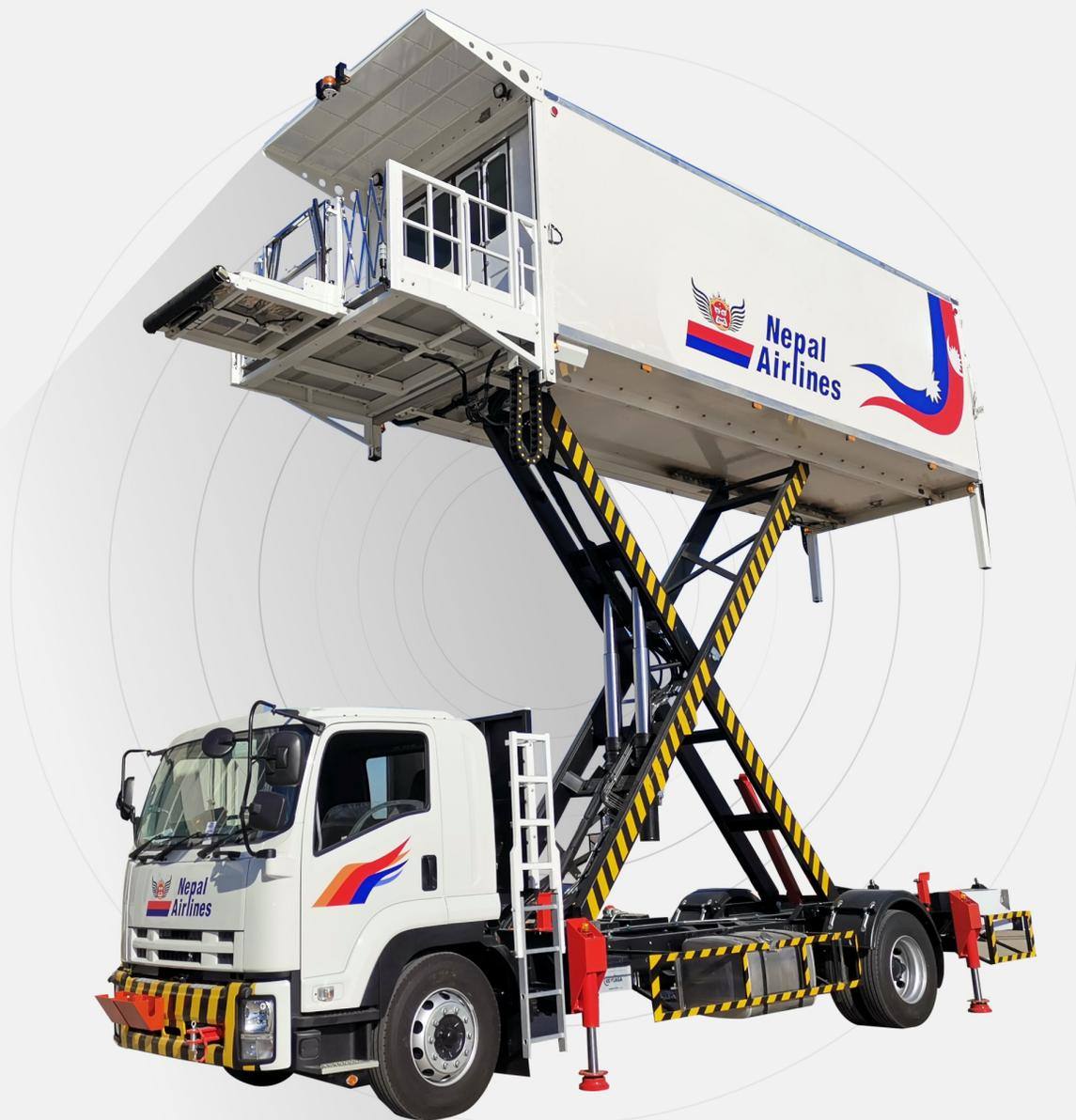
XC-6000e Type Aviation Catering Truck (Fuel Type)
Shenzhen CIMC-TianDa Airport Support Ltd.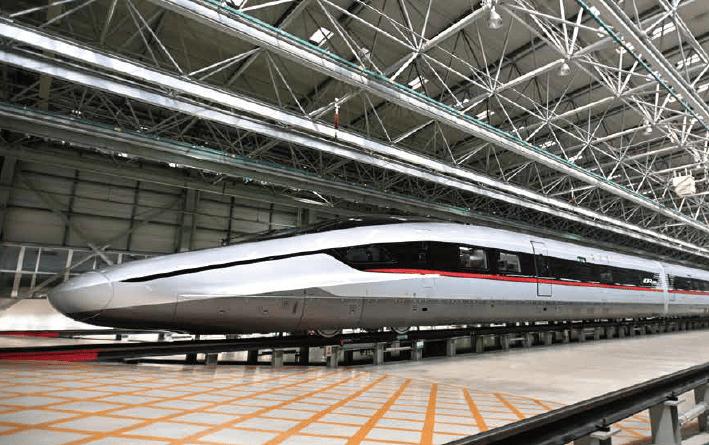

Wheel and Track Technology Business
Beijing Research & Design Institute of Rubber Industry Co., Ltd.
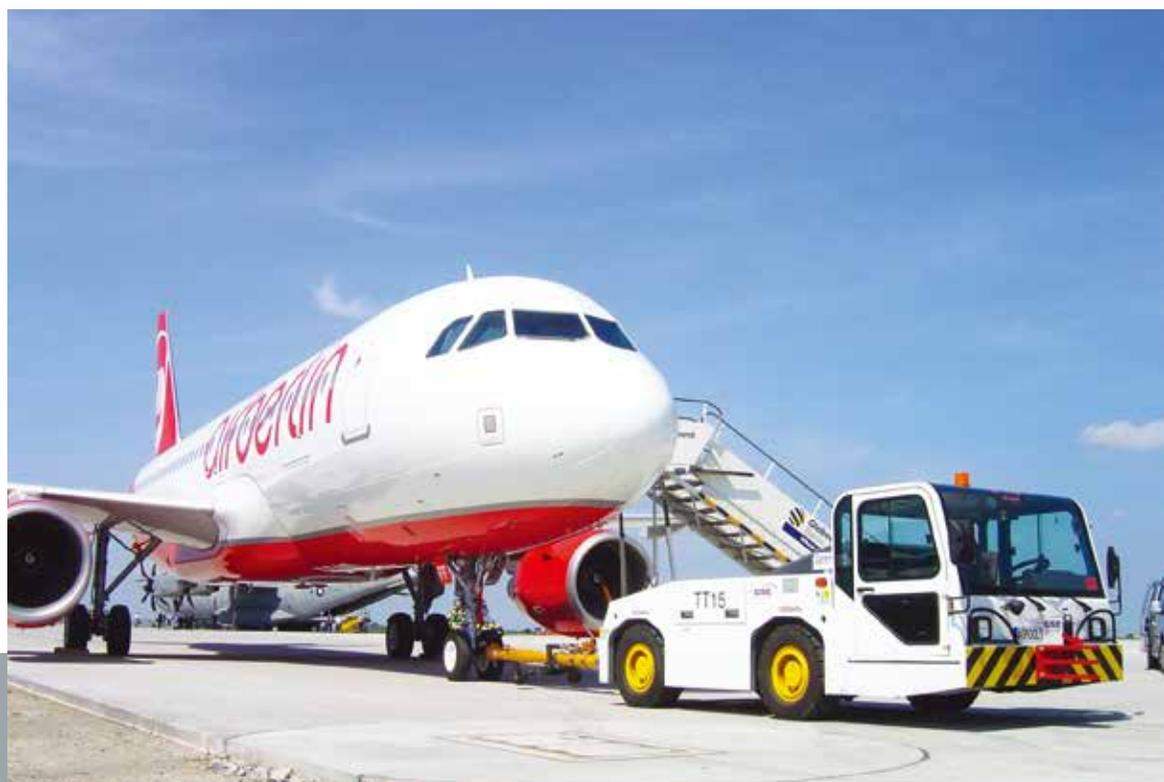
WGQY Series Aircraft Tow Tractor-WGQY15, WGQY27
Weihai Guangtai Airport Equipment Co., Ltd.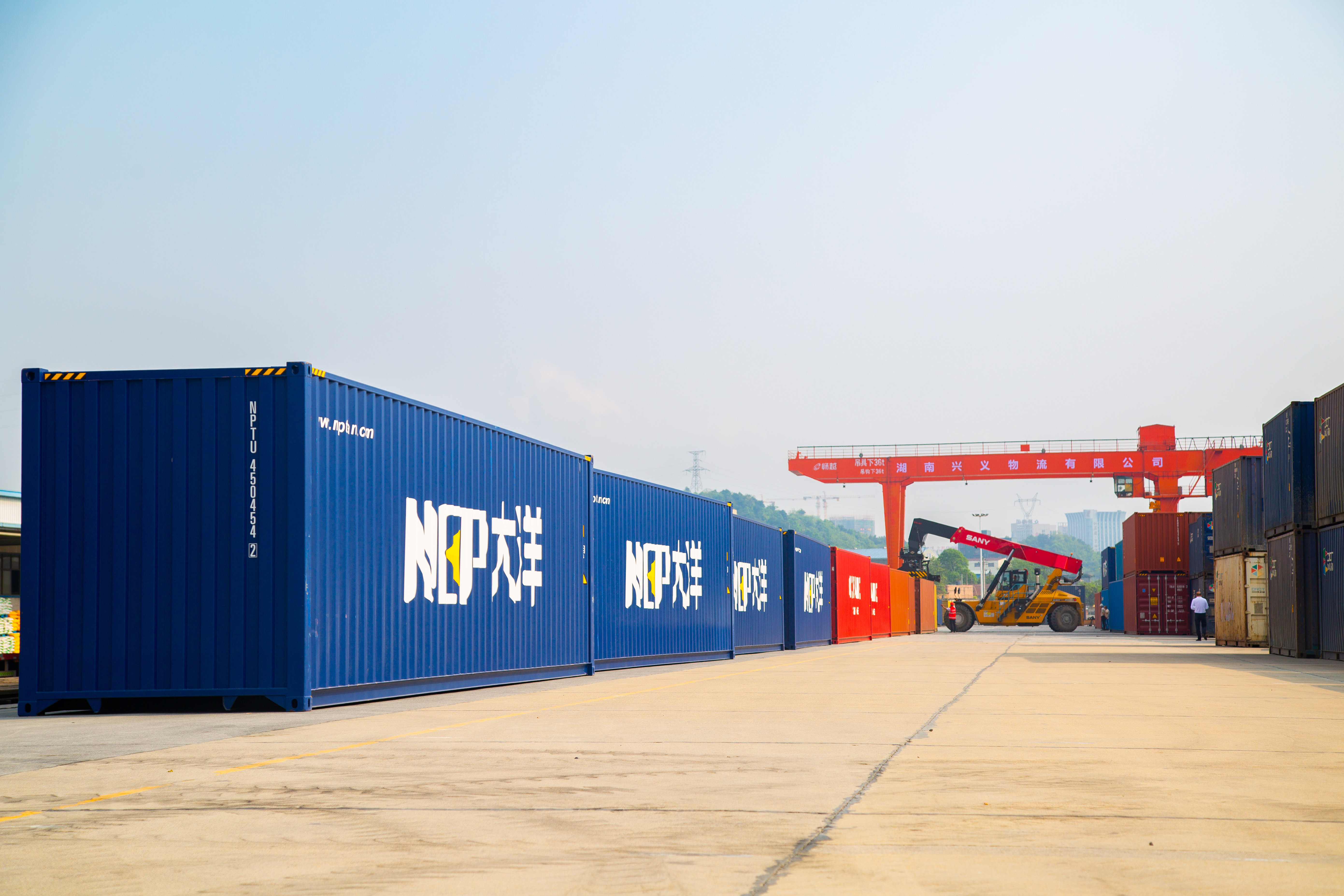
China - Alashankou/Khorgos - Europe Full Range Transportation (Mala/Hamburg/Duisburg/Budapest, etc.)
Shenzhen Neptune Logistics Co., Ltd.