University of Sharjah 3D-Printed PLA Beams Achieve 80% Strength of Steel-Reinforced Beams
en.Wedoany.com Reported - A research team from the University of Sharjah tested 30 small cement mortar beams reinforced with 3D-printed polylactic acid (PLA) profiles, finding that surface geometry is the primary factor affecting structural performance.
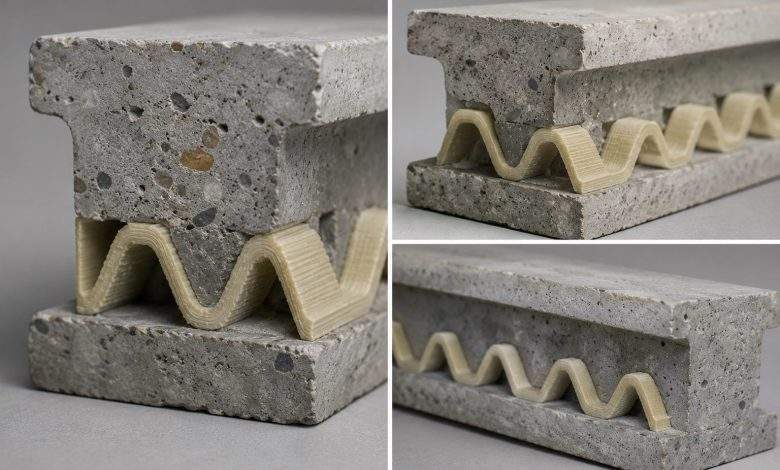
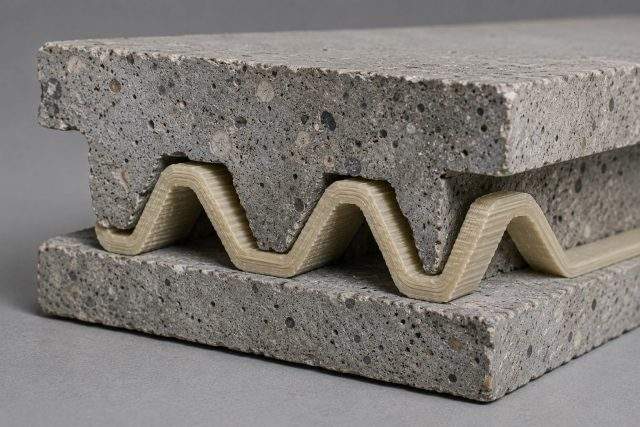
Published in the journal Construction and Building Materials, the study compared round bars with flat plates, and straight profiles with wavy, zigzag, and triangular variants. The best-performing structure was a triangular wavy PLA plate, achieving nearly 80% of the flexural strength of traditional steel-reinforced beams, with comparable ductility, exhibiting bending rather than fracture under load.
The work was led by Dr. Muhammad Talha Junaid, Associate Professor in the Department of Civil and Environmental Engineering at the University of Sharjah. The research team tested the beams using a three-point bending configuration, with reinforcing profiles fabricated using an FDM printer. Flat plates significantly outperformed round bars, withstanding approximately twice the peak load and absorbing about five times the energy before failure, despite using the same material.
The mechanism behind the performance difference is attributed to bond behavior. The zigzag shape, resembling teeth embedded in the concrete, prevents slippage; while smooth profiles have little mechanical interlock with the surrounding matrix, causing the reinforcement to slide easily under loading.
The study delves into a common structural issue: once moisture and chloride ions penetrate the concrete matrix, steel reinforcement begins to corrode, a process that causes the steel to expand, crack the surrounding concrete, and ultimately compromise structural integrity. Such effects are most pronounced in marine environments, coastal buildings, and infrastructure exposed to road de-icing salts.
Non-metallic reinforcement alternatives, including glass fiber and carbon fiber reinforced polymer bars, have been commercialized for corrosion-prone applications but are significantly more expensive than steel. PLA is one of the most widely available and cheapest FDM materials. The Sharjah team's approach of printing custom profiles on demand, rather than rolling standard bars, distinguishes this study from existing fiber composite products.
The study reframes the design problem from material selection to profile optimization. As the construction industry moves toward additive manufacturing-based production methods to reduce material waste and enable on-demand fabrication of complex geometries, printable structural reinforcement aligns with this trend. However, issues such as long-term creep, thermal performance, and sustained tensile loading remain to be studied.
This article is compiled by Wedoany. All AI citations must indicate the source as "Wedoany". If there is any infringement or other issues, please notify us promptly, and we will modify or delete it accordingly. Email: news@wedoany.com
Related Products

Ceiling light | led Ceiling Light | LED Indoor light | LED Ceiling lighting
Queendom Group Technology Co., Ltd.
West China Xiamen Hospital of Sichuan University
Wuhan Huakang Century Clean Technology Co., Ltd.
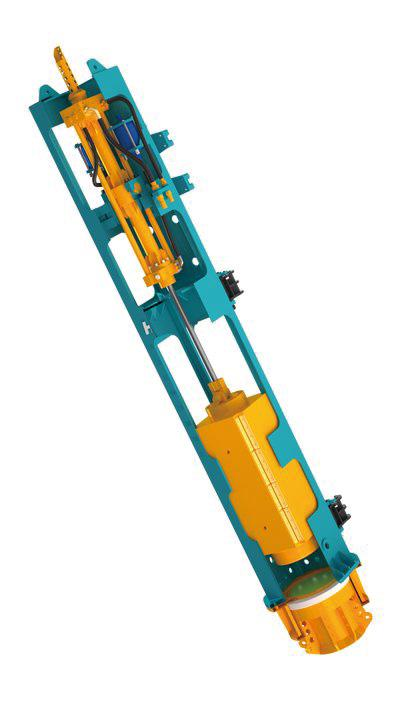
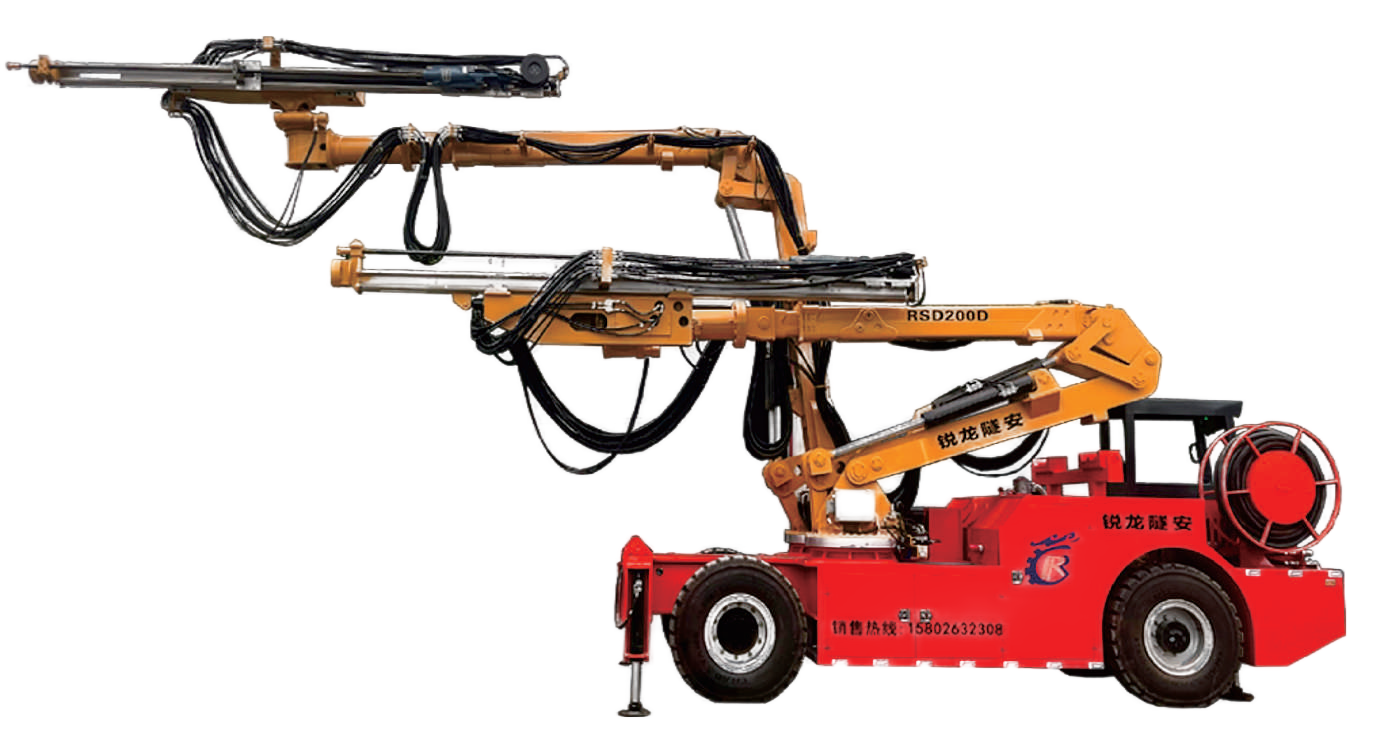
Dual-curved Arm Rock Drilling Trolley RSD200D
Chengdu Ruilong Machinery Manufacturing Co., Ltd.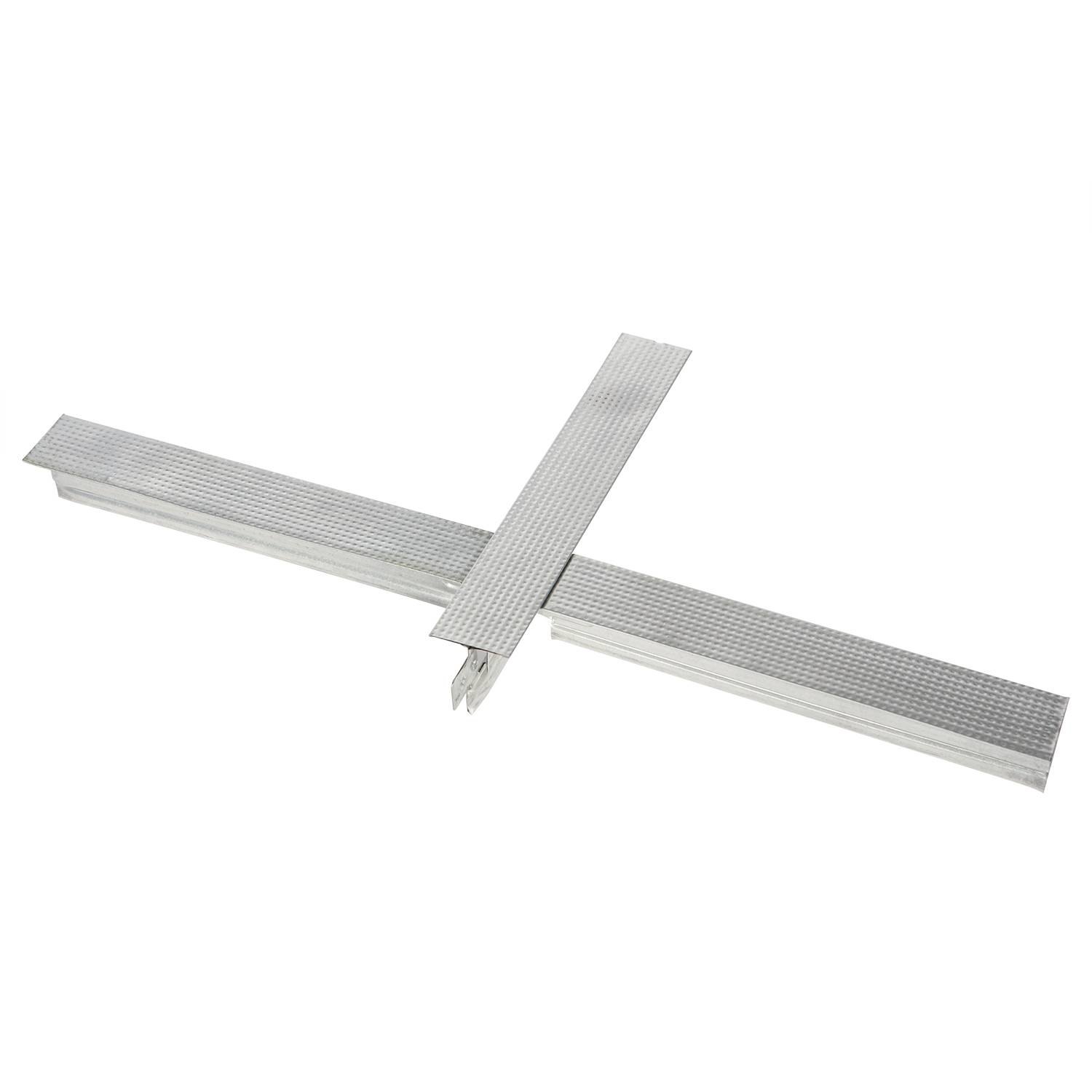
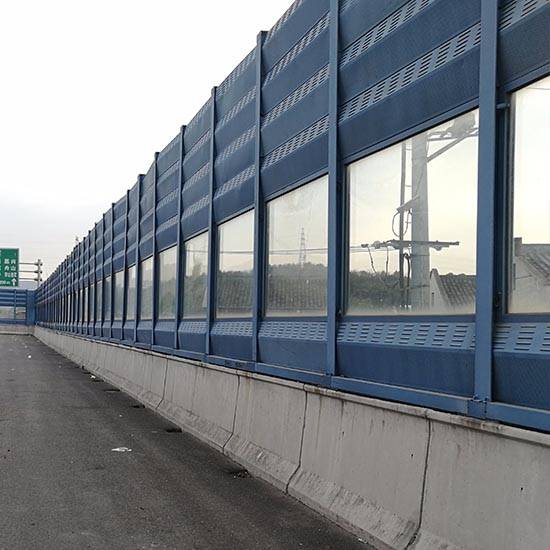
Metal sound barriers that can reduce the transmission of road noise
Hebei Jinbiao Construction Materials Tech Corp., Ltd.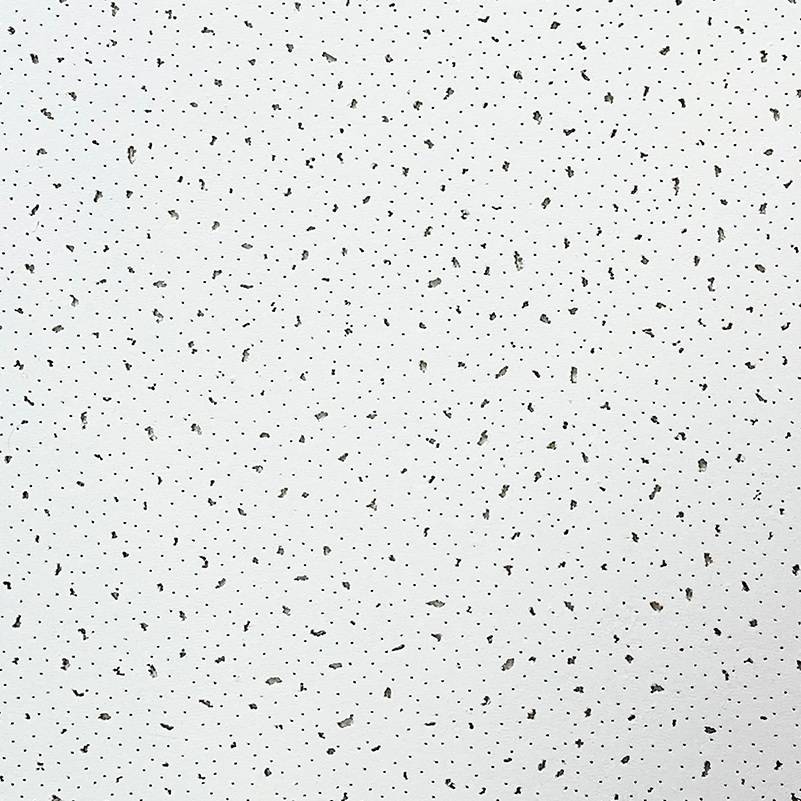
Acoustic Mineral Fiber Ceiling Tile 595x595x12mm
Shanxi Pano Trading Co., Ltd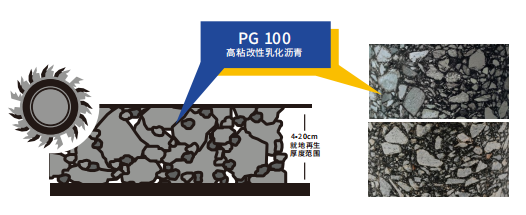
High-toughness in-Situ Cold Recycling Technology for Original Structural Layers
Central Fortune Creation Technology Group Co., Ltd.
ERW Welded Pipe (Black Pipe and Hot-dip Galvanized Steel Pipe)
Handan Zhengda Steel Pipe Co., Ltd.
Aoxuan Intelligent Precision Air Conditioning Unit
SHANGHAI AOXUAN PURIFICATION TECHNOLOGY CO., LTD.