Los Angeles Approves $24 Billion Fully Automated Metro Project
en.Wedoany.com Reported - The Los Angeles County Metropolitan Transportation Authority (LA Metro) has approved a 22-kilometer fully automated metro project along the Sepulveda corridor, one of the most congested areas in Los Angeles County. The project is estimated to cost $24 billion.
This metro line will operate with full automation, with no driver on board. Trains will be managed by advanced digital and computerized systems controlling speed, train spacing, and station stops. This technology, already implemented in multiple cities worldwide, enables higher service punctuality, safety standards, and frequency. According to LA Metro estimates, trains will run every two and a half minutes during peak hours, with an expected daily ridership of over 120,000 passengers. The line will use a single-bore tunnel construction method to minimize surface impact during construction.
The primary goal of the project is to alleviate road congestion along the corridor. Expected benefits include shifting car trips to public transit, thereby reducing pollutant emissions, improving air quality, and enhancing road safety. Ray Sosa, Chief Planning Officer of LA Metro, stated in an op-ed for the Los Angeles Times that the investment is justified because it allows people to avoid traffic jams, and a great public transit system helps build a great city. The project gained broad consensus during public consultations and received support from county political leaders. A preliminary environmental assessment was completed last year.
The fully automated metro is managed by advanced digital systems using Communications-Based Train Control (CBTC) technology, classified as GoA4, the highest level of automation. As of January 2026, fully automated metros are operating in dozens of cities worldwide. Dubai's Red and Blue lines, in operation since 2009, have a fully automated network exceeding 75 kilometers. Paris's Lines 1 and 14 are fully automated, totaling over 50 kilometers, while the Grand Paris Express project plans to add over 200 kilometers of driverless lines by 2030.
Notable examples in Italy include: Milan's M5 line, in operation since 2013, and the fully automated M4 line, connecting Linate Airport to the city center, gradually launched between 2023 and 2025; Rome's C line, with trains 109 meters long, capable of carrying up to 24,000 passengers per hour per direction; Brescia's fully automated metro, fully operational since 2013; and Turin, using the VAL208 system, one of Europe's earliest fully automated systems. Barcelona introduced Lines L9, L10, and L11 between 2009 and 2016. Budapest automated its M4 line. Bangkok's Yellow and Pink MRT lines, and Vancouver's SkyTrain, with a driverless network exceeding 80 kilometers. Sydney Metro is rapidly expanding, aiming to reach 100 kilometers of automated lines by the end of the year.
From an industrial perspective, groups such as Hitachi Rail supply trains for several major lines in Italy. New expansions are underway in Istanbul, Taipei, and São Paulo, while the Glasgow project aims to fully automate its metro by the second half of 2026. According to industry operators, driverless metros can reduce operating costs by 20% to 30%, while ensuring higher frequency and more punctual service.
This article is compiled by Wedoany. All AI citations must indicate the source as "Wedoany". If there is any infringement or other issues, please notify us promptly, and we will modify or delete it accordingly. Email: news@wedoany.com
Related Products
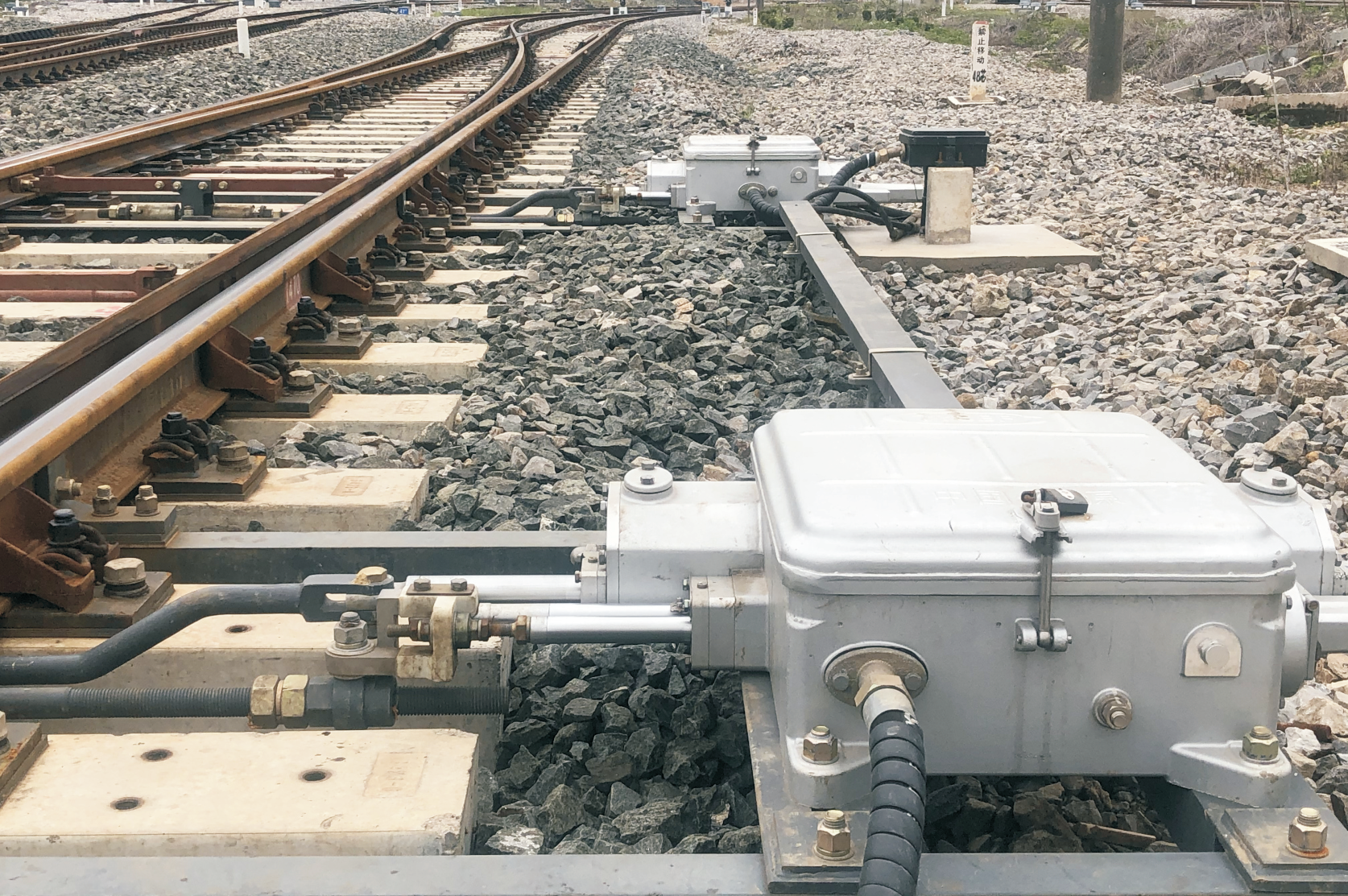

ZY(J)7(M) Sealed Type Electro-Hydraulic Turnout Machine
TAIYUAN CR JINGFENG EQUIPMENT TECHNOLOGY CO., LTD.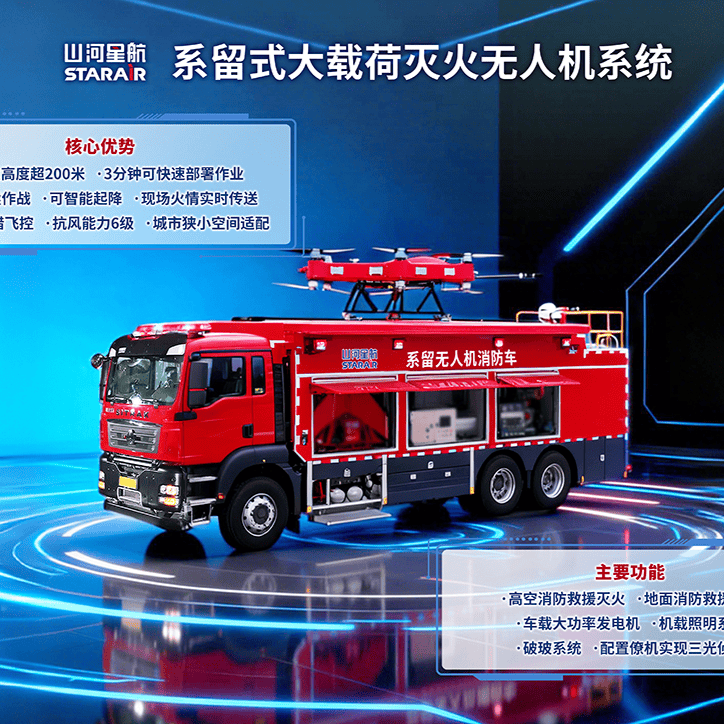

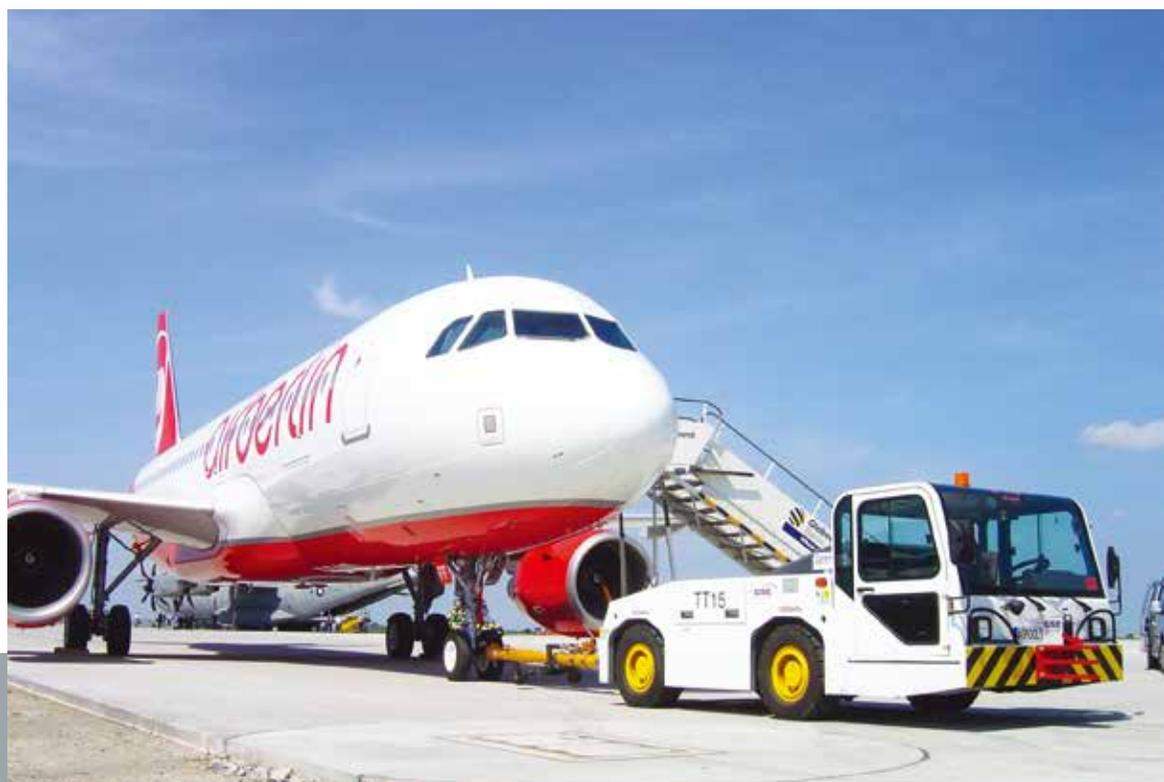
WGQY Series Aircraft Tow Tractor-WGQY15, WGQY27
Weihai Guangtai Airport Equipment Co., Ltd.

CLW5180TXSD6 Dongfeng Tianjin Washing and Sweeping Truck
ChengLi Special Automobile Co., Ltd.
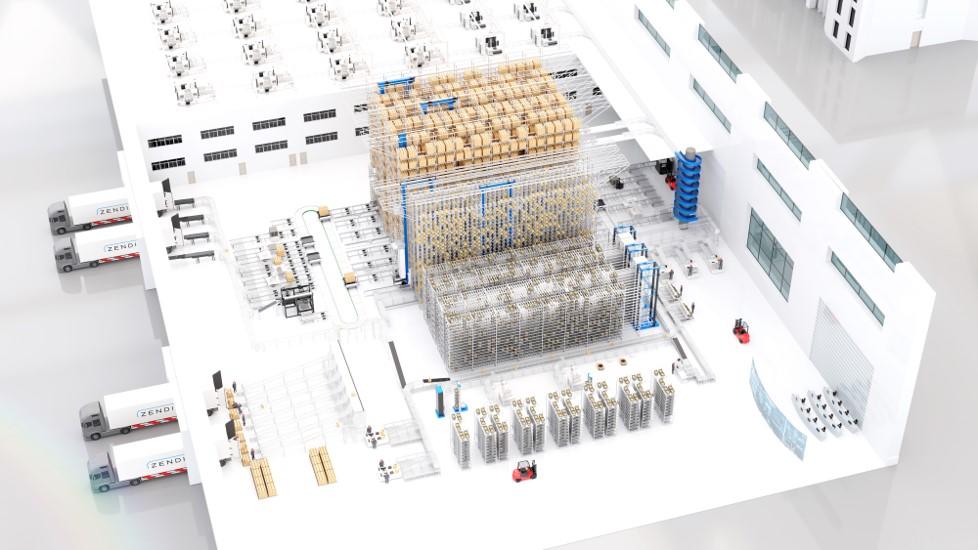
One-Stop Steward Service for the Entire Logistics System Integration Chain
Zhongding Intelligent (Wuxi) Technology Co., Ltd.