AT&T CFO Says Satellites Can Be a Solution for Remote Area Coverage
en.Wedoany.com Reported - AT&T Chief Financial Officer Pascal Desroches stated at the Mizuho Technology Conference that satellites are an effective solution for communication coverage in extremely remote areas of the United States. He noted that the existing fiber, cable, fixed wireless, and wireless infrastructure in the U.S. may cover 99% of the population, but 1% still live in extremely remote areas that remain uncovered.
Desroches believes that deploying traditional infrastructure in extremely remote areas is too costly, while in urban and suburban areas, the unit bit cost of providing connectivity using existing infrastructure is lower than that of satellites. He indicated that these markets already have mature competitors and intense competition. AT&T offers high-quality solutions at "very attractive prices" in urban and suburban areas, which is its focus.
Currently, AT&T has invested in AST SpaceMobile, but Desroches reiterated the view expressed by the company's CEO and Chairman John Stankey, which is to plan to cooperate with different satellite operators to fill coverage gaps, ensuring that users maintain continuous coverage when driving into extremely remote areas.
Desroches mentioned the joint venture announced by AT&T last month with Verizon and T-Mobile. The joint venture aims to agree on a set of standards and principles for providing direct-to-device (D2D) services, ideally pooling scarce spectrum resources to achieve more comprehensive coverage and share the infrastructure costs of providing satellite connectivity. Many observers believe the joint venture is a defensive move against SpaceX's aggressive expansion into the mobile sector. Desroches believes that the spectrum bands held by the three major operators, when combined, can better serve the D2D market than acting individually.
On the asset side, last year AT&T saw opportunities to acquire attractive spectrum from EchoStar, including mid-band (3.45 GHz) and low-band (600 MHz), as well as a unique opportunity to acquire fiber assets from Lumen in areas where AT&T does not yet operate. In the wireless sector, AT&T's share in Lumen areas is below the national average. The company is currently focused on executing and monetizing its recently acquired assets.
AT&T expects to reach approximately 40 million fiber passings by the end of this year, with a goal of offering both fiber and wireless services to these users. By 2030, fiber passings are expected to exceed 60 million. Desroches stated that through these relationships, the company will be able to drive external share growth in the wireless sector.
Fiber is the primary broadband product, while fixed wireless access (FWA) is another tool in the toolbox, usable in legacy DSL areas where fiber has not yet been deployed. Desroches emphasized that selling fixed wireless must consider its integration with wireless services, and fixed wireless only makes sense when utilizing idle capacity without the need for dense networks to provide additional coverage and capacity. For AT&T, it is also important to precisely use fixed wireless in areas outside its traditional coverage to drive convergence and increase wireless share. T-Mobile and Verizon are far more aggressive than AT&T in FWA, and Desroches indicated this situation will not change; he does not expect AT&T to place as high a priority on fixed wireless relationships as some peers do.
This article is compiled by Wedoany. All AI citations must indicate the source as "Wedoany". If there is any infringement or other issues, please notify us promptly, and we will modify or delete it accordingly. Email: news@wedoany.com
Related Products
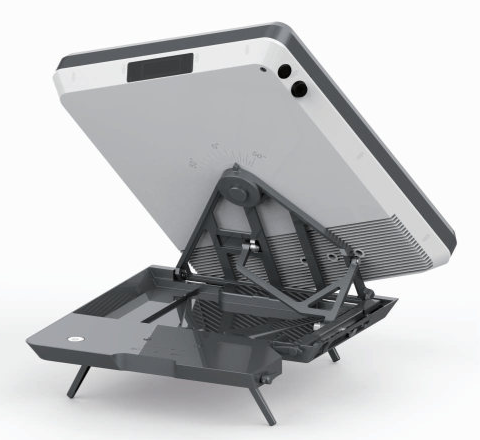

Flat Portable Satellite Terminal 0.35m Aperture Manual Portable Terminal
China Starwin Science & Technology Co., Ltd.
Multi-function Marine Monitoring Low-altitude Detection Radar Sea-air Boundary Ocean Dynamic Environment Measurement
Chengdu Dixin Technology Co., Ltd.




G.652.D Wavelength-extended Non-dispersion Shifted Single-mode Optical Fiber
HONGAN GROUP CO., LTD.
GYTA Type Non-Self-Supporting Aerial/Duct Optical Cable
TONGDING INTERCONNECTION INFORMATION CO., LTD.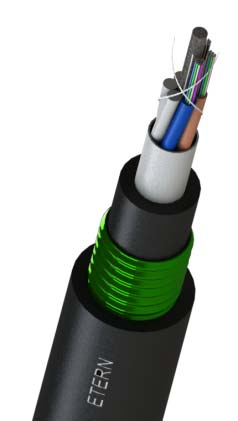

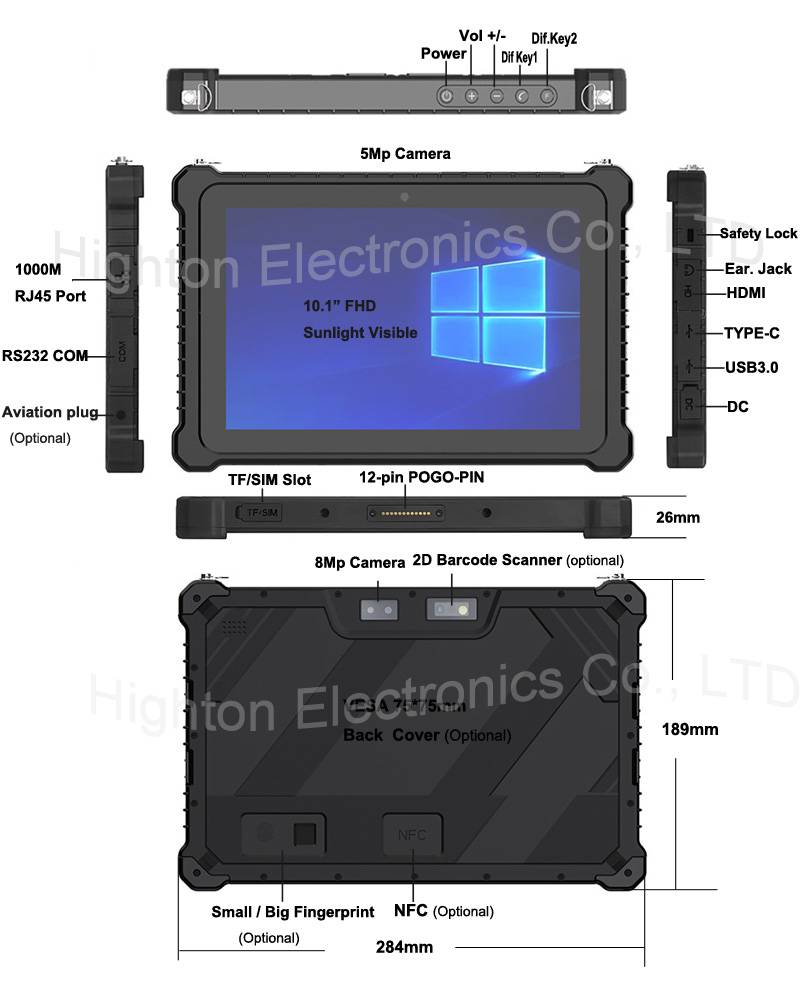
Hot Selling 10 Inch Intel N5100 I5 I7 FHD 8 +128GB 16+256GB Win10 Pro Win11 Pro 4G 5G Rugged Tablet PC Pad with NFC Barcode
Highton Electronics Co., Ltd.
Conveyor Belt Intelligent Monitoring System
LUO YANG WIRE ROPE INSPECTION TECHNOLOGY CO., LTD.