First Three Towers of Squamish Nation's Sen̓áḵw Project Completed, Providing 1,409 Rental Homes
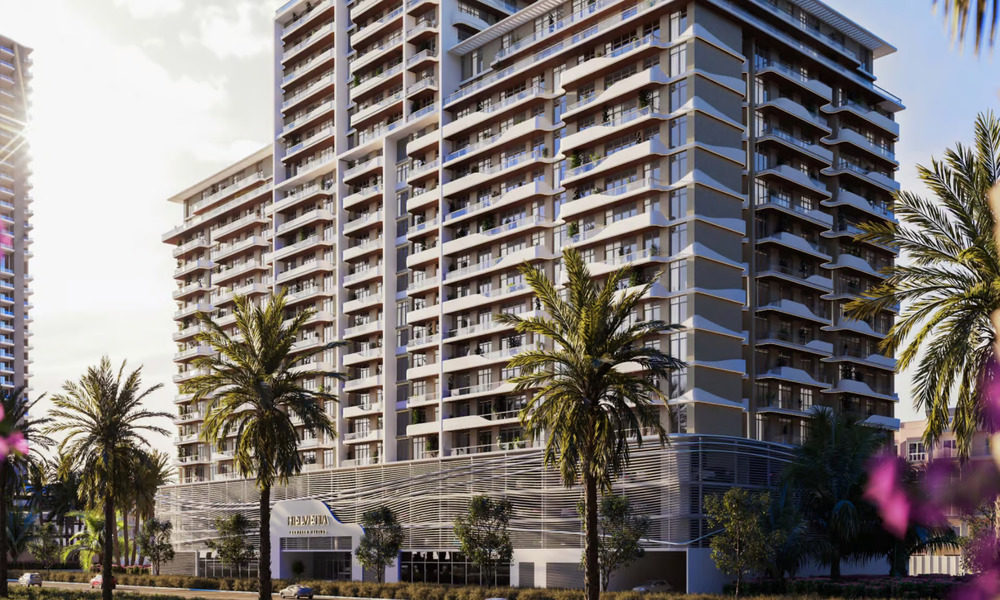
en.Wedoany.com Reported - One of the most impactful urban development projects in Canadian history—the Sen̓áḵw Indigenous redevelopment led by the Squamish Nation—has seen its first three towers completed at the foot of Vancouver's Burrard Bridge. These three towers offer a total of 1,409 purpose-built rental units, including over 280 affordable homes. Move-ins will occur in phases, with priority given to Squamish Nation members and Indigenous applicants, followed by public availability in early June.
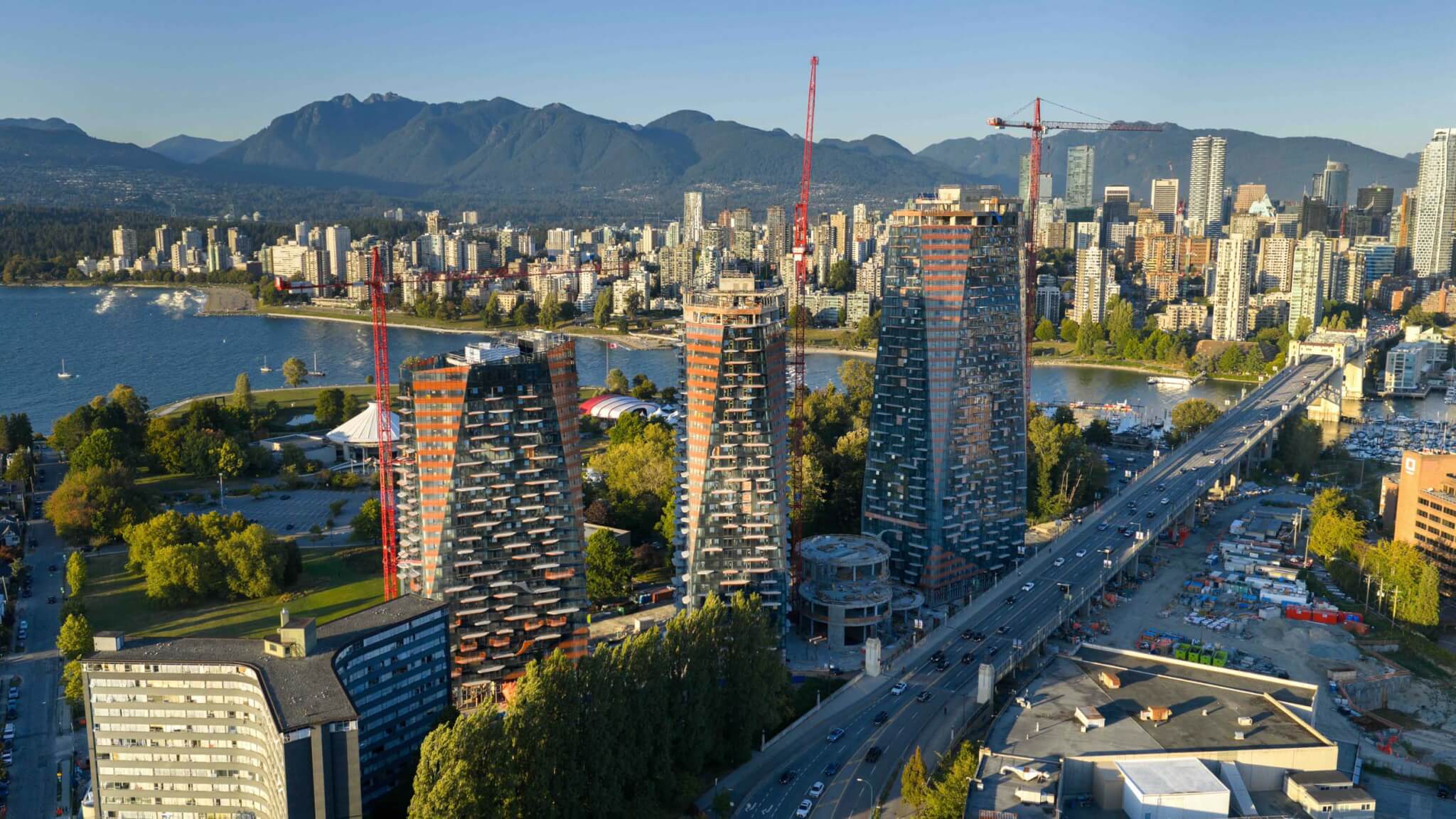
Located on Squamish Nation land, the project is not subject to Vancouver's conventional municipal rezoning framework, allowing greater flexibility in height, density, parking, and long-term planning. Once fully completed, Sen̓áḵw will form a dense mixed-use community on a compact 10.5-acre site, comprising 6,000 rental homes along with commercial, office, retail, and community spaces.
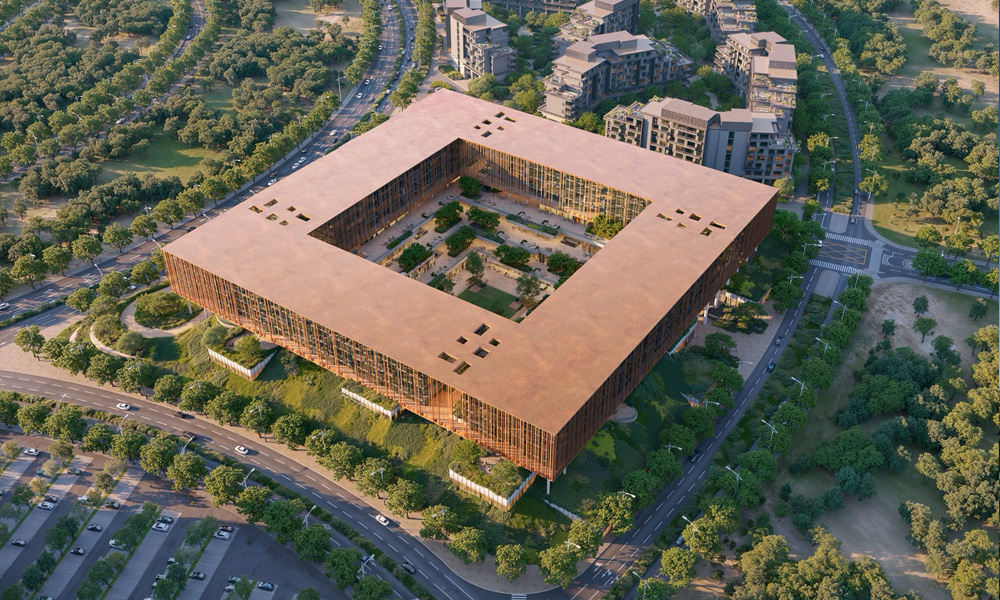
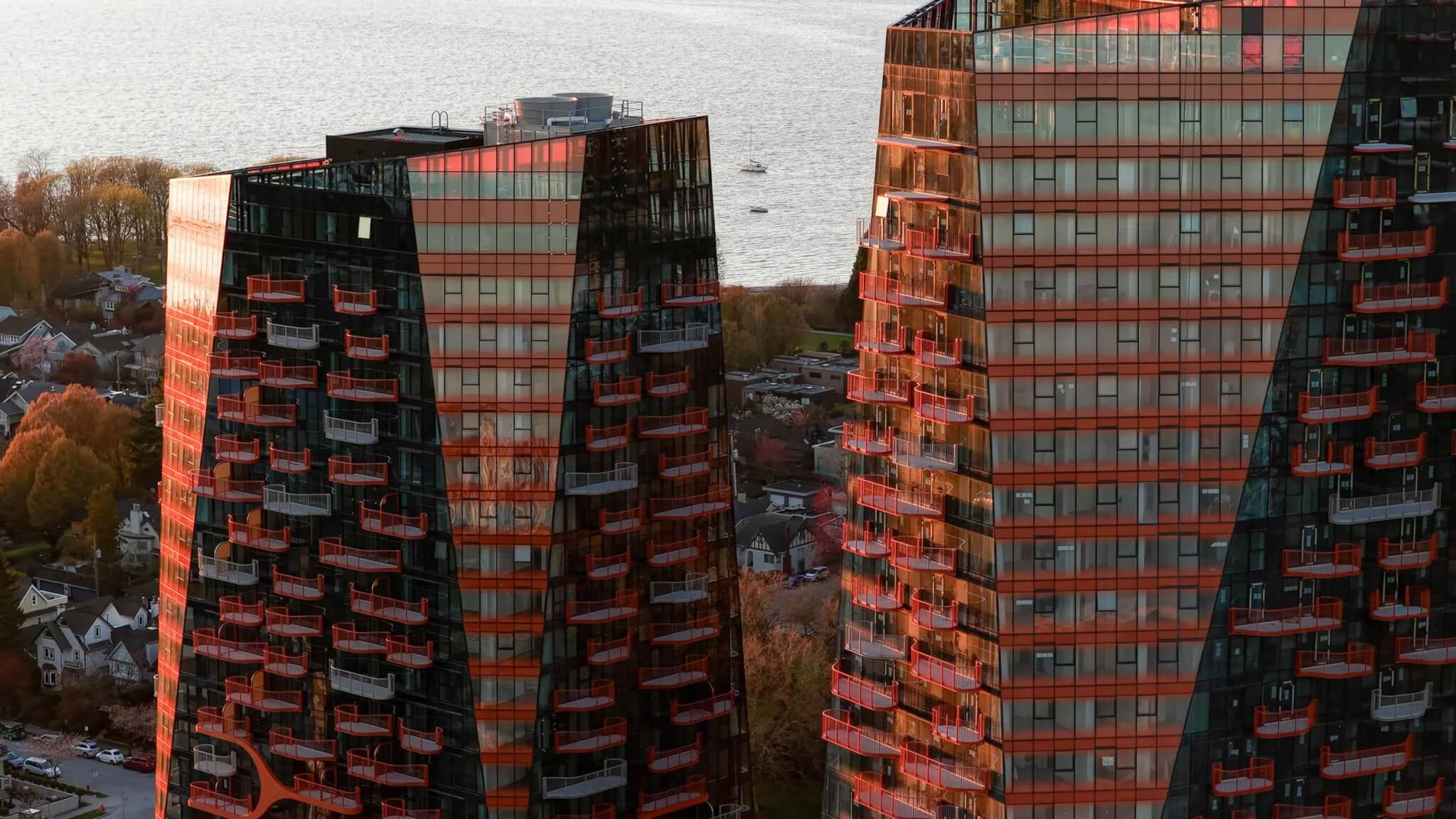
Venelin Kokalov, an architect at Revery Architecture, stated that the project adopts a "village in the park" approach, aiming to create a contemporary Indigenous urban village rather than a traditional residential development. He noted that the project is deeply rooted in the site's history and Squamish values, with their connection to the land dating back thousands of years. Ten residential towers ranging from 22 to 58 stories, along with a 12-story mixed-use mass timber office building, a mixed-use tower, and four commercial pavilions, are arranged within an active urban landscape. The building forms are divided into two types: "Mountain Towers" and "Long Towers." The Mountain Towers feature crystalline forms and copper-fritted glass, with balconies and glass incorporating elements influenced by Squamish crescent and triangle patterns, and sloped roofs pointing toward the Two Sisters mountains, which hold cultural significance for the Squamish people. The Long Towers are inspired by the linear longhouses historically found in the village, with undulating sunshades on the facades referencing salmon swimming in the water, while filtering light and providing privacy between units. Kokalov emphasized that the goal is to translate Indigenous values and Coast Salish design language into a contemporary urban architectural expression, rather than creating historical replicas or superficial references.
The project's site has a close relationship with the Burrard Bridge, which cuts directly through the property, covering approximately 15% of the buildable area. The designers have utilized the sheltered areas beneath the bridge for recreation, gathering, and cultural activities. The project significantly reduces reliance on private cars in its transportation planning, with parking provided for only about 10% of the units. The site is organized around public transit, cycling, and walking, and includes an underground bicycle network, storage, and maintenance facilities. Kokalov stated that reducing parking areas allows more land and resources to be allocated to housing, landscaping, and public amenities, while also lowering excavation and underground infrastructure costs.
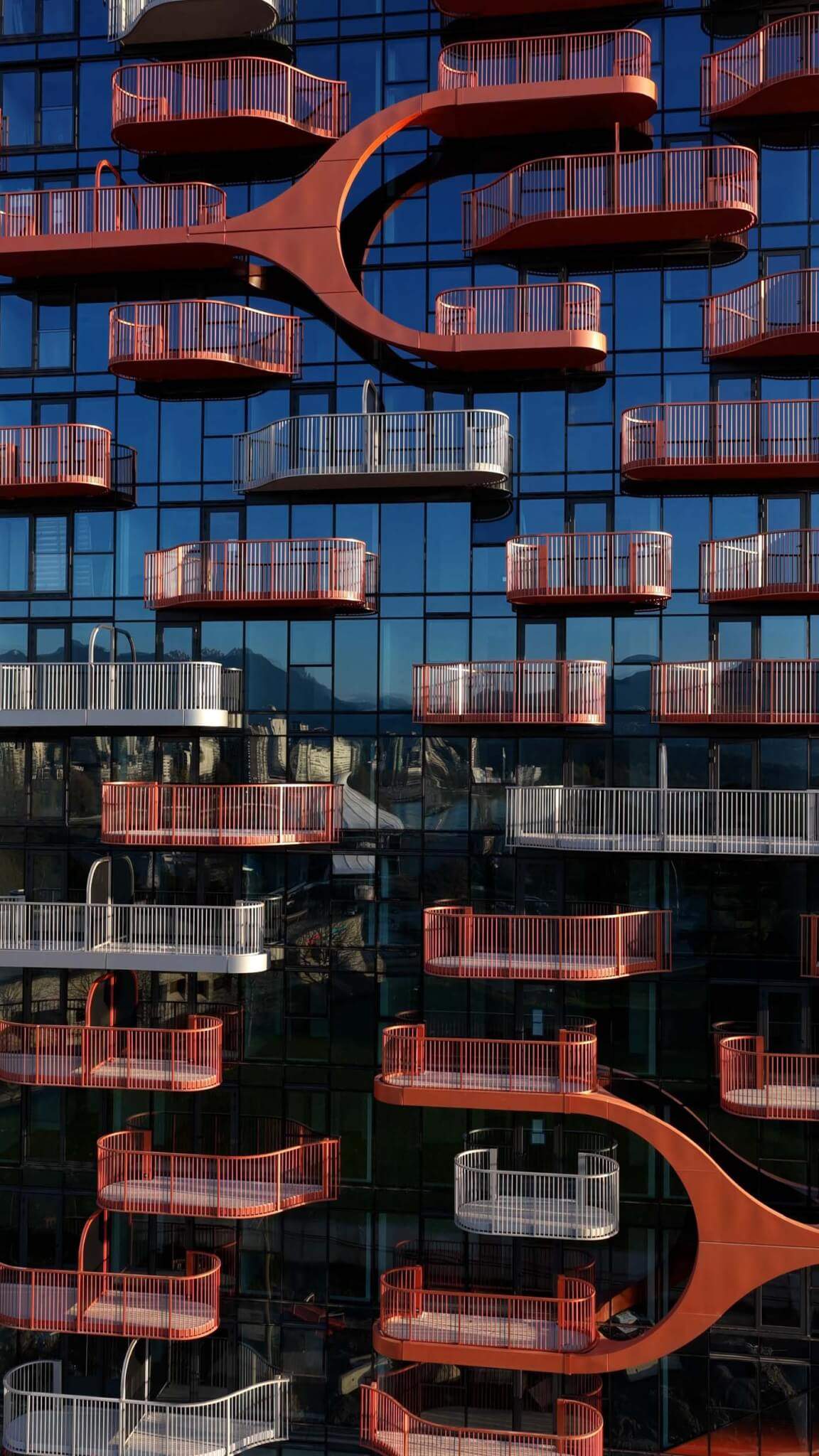
Squamish Nation Chair Sxwíxwtn Wilson Williams stated that Squamish culture permeates every aspect of the project, from architecture and artwork to plantings and pathways. He noted that people can see culture and tradition integrated into every facet of the interior and exterior design, with language present throughout the site, art and history within reach, and reflected in the restoration of native plants and how pathways reconnect people with water and the land.
Sustainability is central to the project. It aims to achieve operational carbon neutrality, with a core component being a low-carbon district energy plant that utilizes wastewater energy recovery to provide heating and cooling for the entire development. Mass timber is used in key parts, such as the office building, to reduce embodied carbon. The building layout is designed to maximize sunlight and airflow, and incorporates high-performance glazing, renewable materials, rainwater integration, and extensive landscaping. Kokalov stated that sustainability is about creating a healthier, more resilient urban community that reflects Indigenous principles of stewardship, interconnectedness, and long-term responsibility to the land.
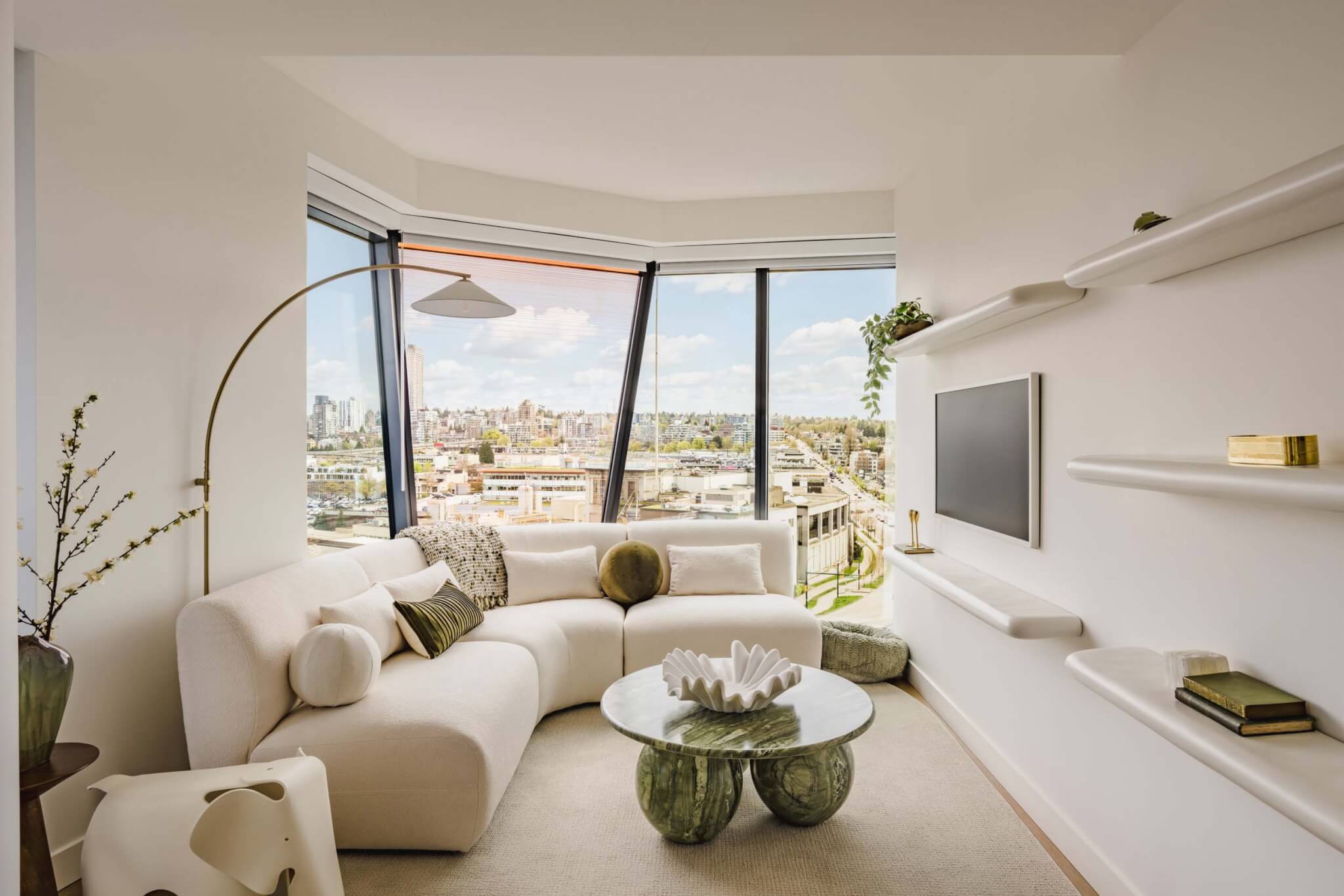
The first phase of the project has established core infrastructure, including the Mountain Towers and the district energy system. Future phases will further expand the landscape network, public realm, retail, office space, cultural facilities, and residential community, with a more comprehensive introduction of the Long Tower typology. Kokalov stated that the broader ambition is to establish a new model of urban development rooted in Indigenous leadership and long-term stewardship, based on a holistic connection between architecture, nature, mobility, and culture, making Sen̓áḵw a vibrant, resilient, and inclusive community.
This article is compiled by Wedoany. All AI citations must indicate the source as "Wedoany". If there is any infringement or other issues, please notify us promptly, and we will modify or delete it accordingly. Email: news@wedoany.com