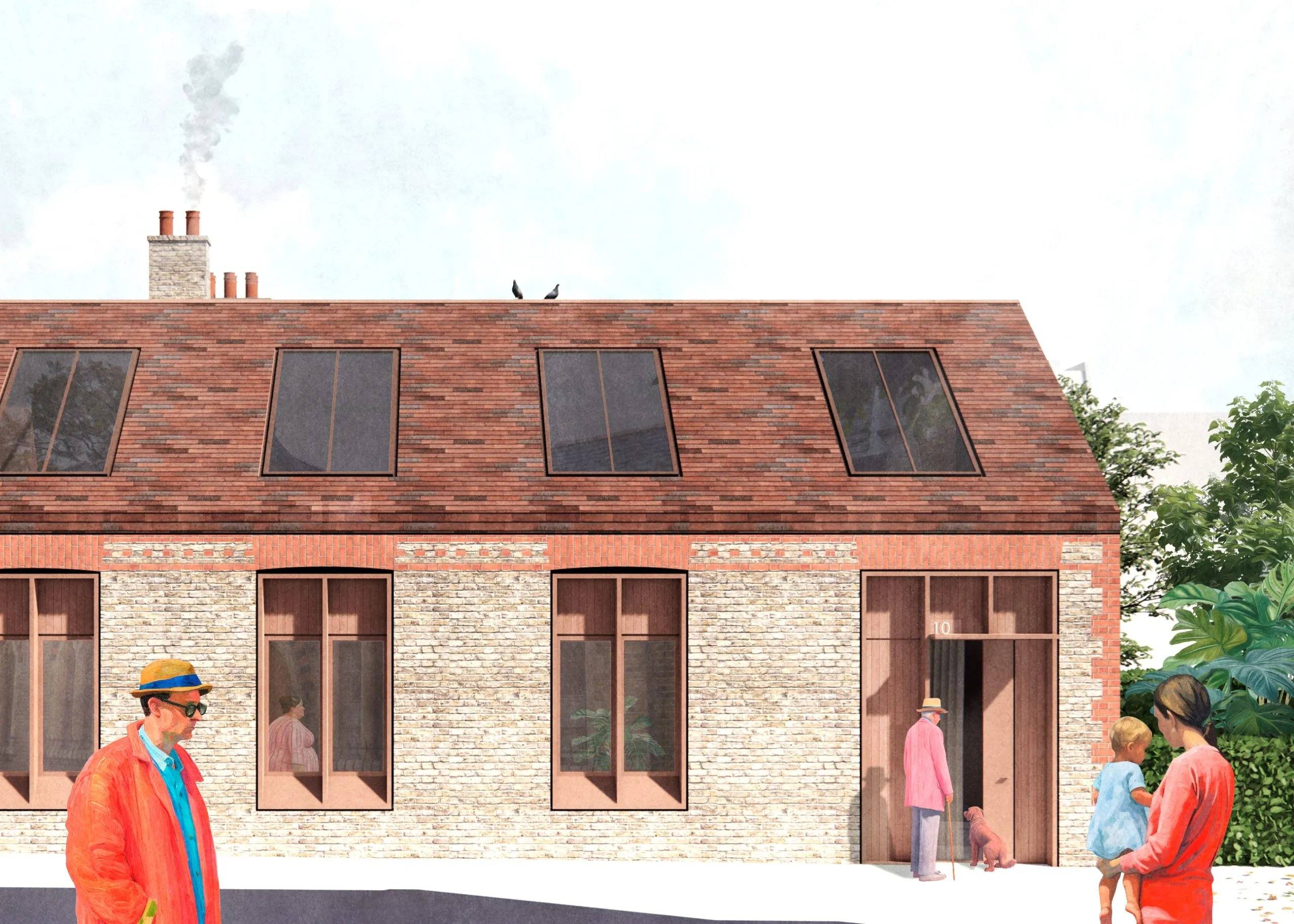
en.Wedoany.com Reported - London-based architecture firm 2C Architects has completed the conversion of a historic car repair shop in the Twickenham Riverside Conservation Area, transforming a small two-story warehouse that had been vacant for years into two residential units. Located at 10 Orleans Road, the approved 200-square-meter scheme arranges two independent two-bedroom units across split levels within the existing building structure. The building has been in the client's family for over 50 years, situated in the leafy St. Margaret's area near the River Thames, within the Twickenham Riverside Conservation Area.
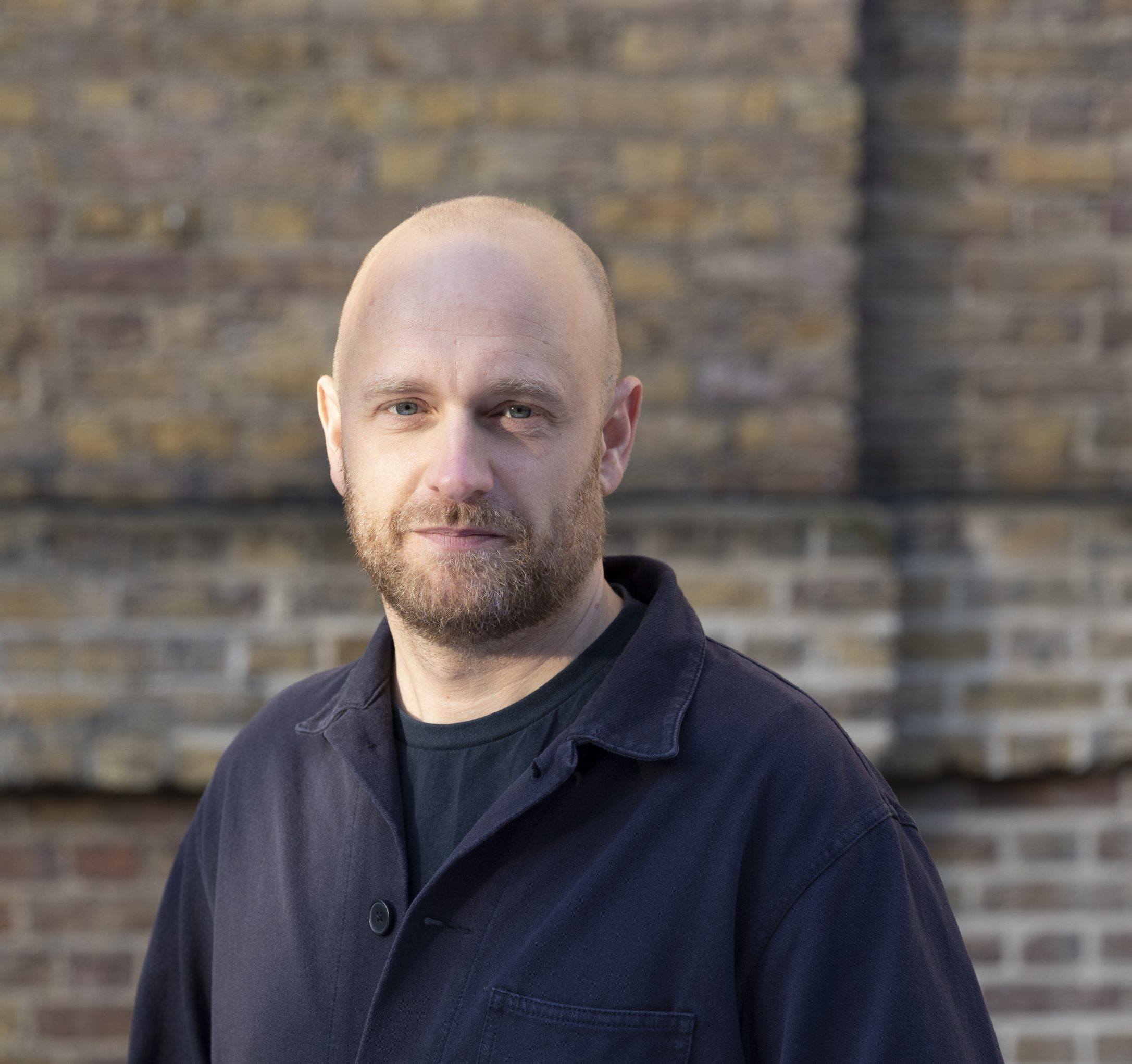
AJ's RetroFirst campaign emphasizes that the default option for any project should be the retrofit and reuse of existing buildings. This philosophy is reflected in 2C Architects' project. Ben Clark, Director of 2C Architects, stated that from the outset, the project was clearly intended to be a retrofit rather than an imposition, aiming to preserve and enhance the existing building's qualities while responding sensitively to its context. The design approach was deliberately restrained to avoid over-design.
The existing site presented several challenges: the building fully occupies the site with no external space; two sides directly face the street, and the rear has a long shared wall, limiting options for new openings. The design therefore focused heavily on the interior, balancing light, views, and privacy within the constraints of the existing shell. The two residential units are mirror images of each other, with living and sleeping spaces swapped between upper and lower floors to optimize light and views.
Demolition was never seriously considered. The building's external envelope was in good condition, and the internal structure, a lightweight steel frame, was easy to reconfigure or dismantle for recycling. Converting from industrial to residential use required demonstrating a lack of demand for the existing use. The building had been vacant for over four years and marketed for more than two years without interest, allowing the proposal to be positioned as a reuse of a redundant building rather than a loss of employment space—an important policy consideration.
The main challenge in the planning process was that once the project exceeded the scale of a single dwelling, it had to address the full set of technical reports and policy requirements typical of larger developments, which can be disproportionate to the scale of a small project. 2C Architects worked closely with planning consultants, adopting a targeted approach that focused only on what was essential to support the application, avoiding an ever-expanding list of reports. In response to local resident opposition, the argument centered on the building having been vacant for years, with the proposal set to inject new life and bring neighborly uses, while demonstrating that the scheme would deliver high-quality housing with a sensitive and thoughtful design approach. Once this was clear, the tone of the dialogue quickly shifted.

In terms of reducing whole-life carbon emissions, retaining the structure played a primary role. Additionally, the design adopted a "fabric-first" approach, upgrading the external envelope to improve performance, using timber wherever possible to lower embodied carbon, and employing air-source heat pumps for low-carbon heating. Key lessons learned from the project include: small projects are easily burdened by the planning process, with technical requirements escalating rapidly once they exceed the scale of a single dwelling; having the right team in place early and engaging with planning officers in advance is crucial.
This article is compiled by Wedoany. All AI citations must indicate the source as "Wedoany". If there is any infringement or other issues, please notify us promptly, and we will modify or delete it accordingly. Email: news@wedoany.com