en.Wedoany.com Reported - Freshet Systems has launched a 30,000 cubic meter modular above-ground water storage system called the Freshet Tank, designed for the scale, agility, and flexibility demands of hydraulic fracturing operations.
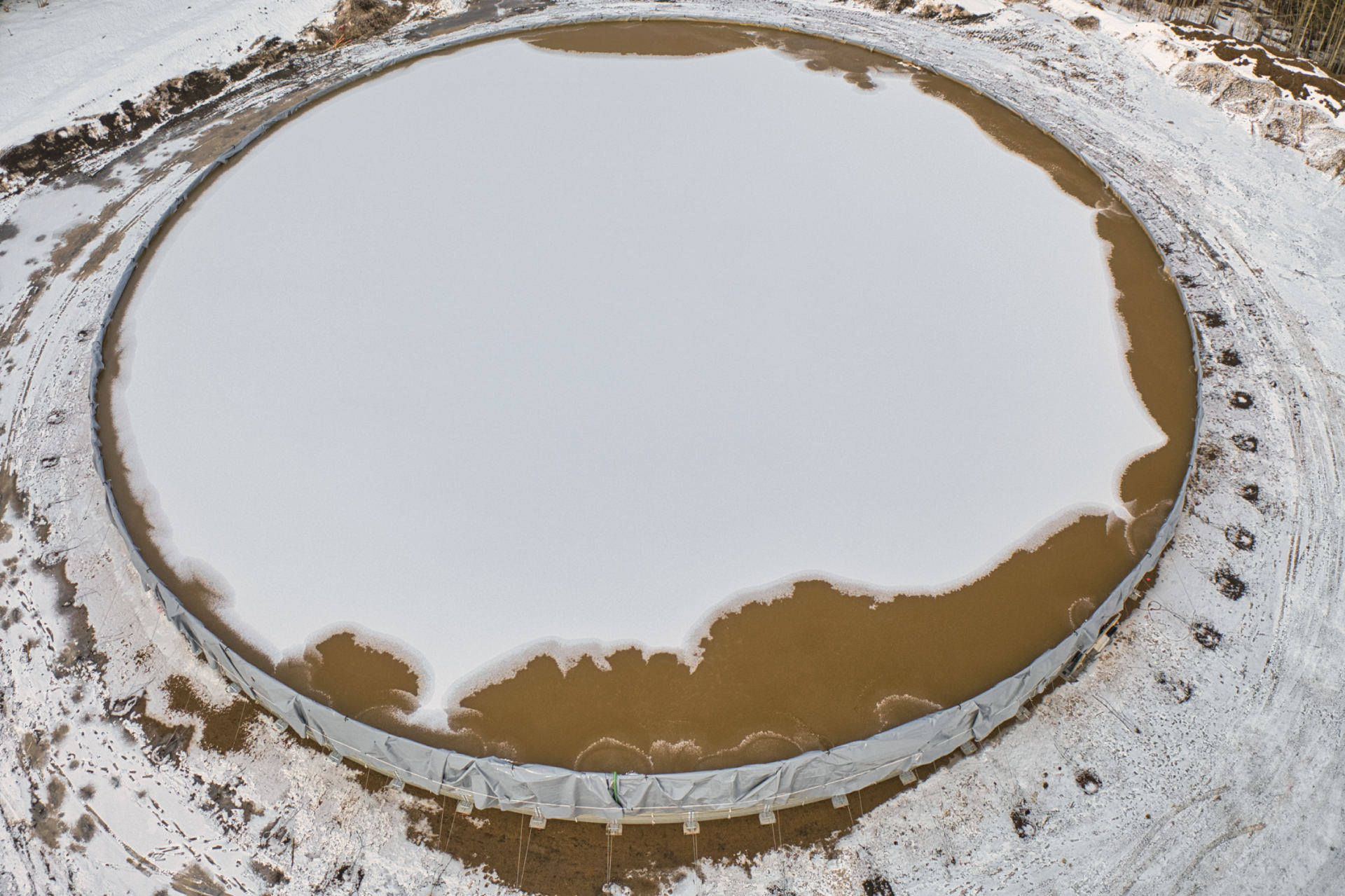
Fracturing water logistics have changed significantly over the past decade, with water supply flow rates tripling and total water usage for some assets in a single development project more than doubling. However, the temporary water storage infrastructure used by the industry has changed little compared to systems deployed 20 years ago, struggling to adapt to current fracturing scales, rates, and logistical complexity. At the same time, at current scales, water sourcing has become more difficult, with drought and activity levels overlapping in major oil-producing regions.
There is a clear gap in current water storage supply: smaller temporary systems offer flexibility but often lack the scale required for modern fracturing projects, while permanent reservoirs provide scale but are static, capital-intensive assets that are difficult to adjust with development plans. The Freshet Tank aims to improve this trade-off by offering reservoir-level storage capacity while functioning as a modular system that can be deployed and repositioned as asset plans change.
The standard Freshet Tank has a capacity of 30,000 cubic meters, and its modular nature allows flexible configuration between 20,000 and 50,000 cubic meters. Its key innovation lies in a controlled radial expansion structural system. Rather than attempting to completely avoid movement, this system allows for limited, controlled strain in key structural elements, resulting in approximately 0.5% radial expansion in the tank's diameter. Water loads are thus efficiently transferred to high-strength continuous steel strands, utilizing the elastic capacity of more material without adding extra mass. This design makes it the lightest system in its size class, simplifying transportation, logistics, and installation equipment requirements, while remaining cost-competitive with existing water storage solutions.
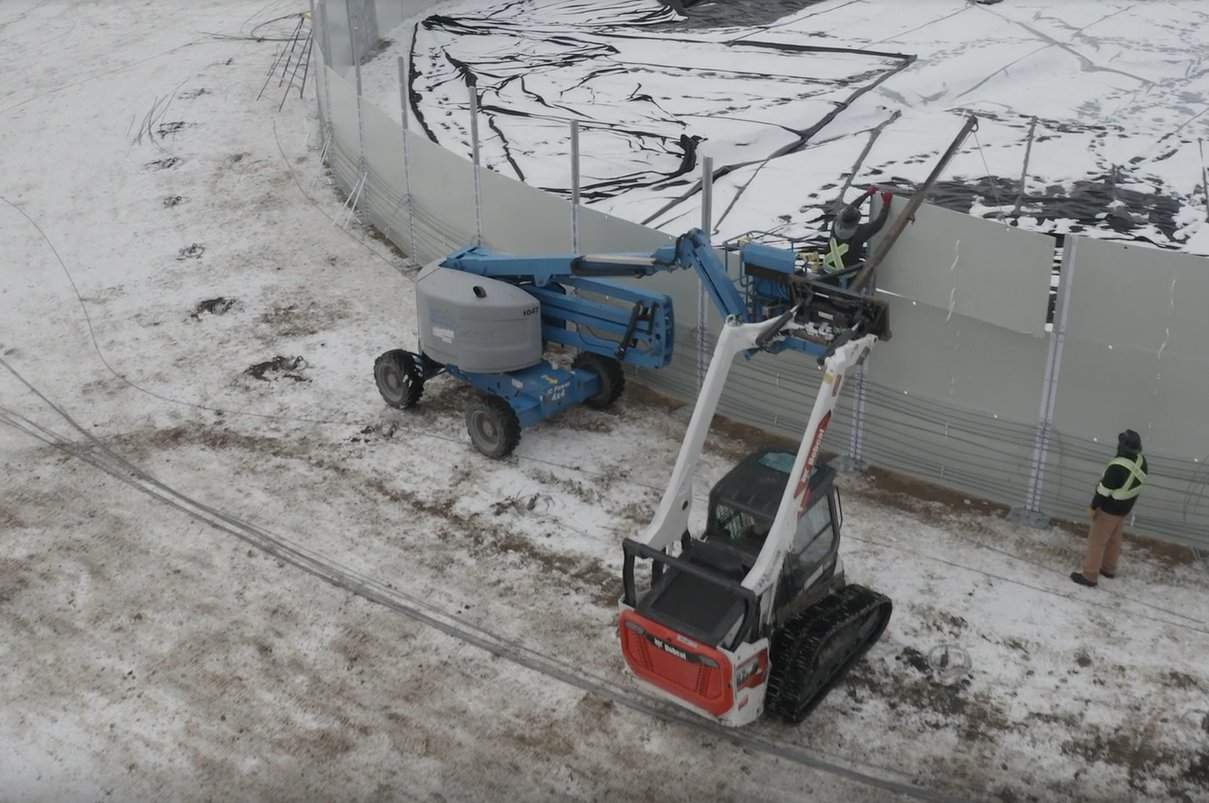
In early March 2026, Freshet Systems commissioned a 6,500 cubic meter test tank south of Grande Prairie, Alberta. The system was installed under typical Alberta winter conditions, experienced multiple freeze-thaw cycles, and has collected over 500,000 structural and behavioral data points since deployment, with performance metrics exceeding expectations. This trial moved the Freshet Tank from the engineering development phase into the commercial phase, demonstrating that the system can be deployed, commissioned, and operated in the same environment as hydraulic fracturing water infrastructure.
The Freshet Tank is currently positioned for freshwater storage applications, including fracturing water blending, temporary water hubs, flexible development plans, seasonal storage, and high-volume storage in immature assets where permanent reservoir configurations are not yet justified. The system also provides storage flexibility when completion design changes render existing reservoirs insufficient for expected asset needs.
The system also creates future opportunities for produced water applications. At the tactical level, the Freshet Tank can help address early production water bottlenecks, enabling faster well connections without overloading downstream infrastructure. At the strategic level, its scale can support reuse models through decentralized wellsite-level storage, allowing operators to store, treat, and reuse water near the point of demand, reducing reliance on capital-intensive transportation, treatment, storage, or disposal infrastructure.
Commercial freshwater deployment and produced water trials are planned for early 2027.
Guillermo Guglietti, President of Freshet Systems, stated that water storage technology has not evolved in tandem with hydraulic fracturing, and the Freshet Tank offers operators unparalleled scale without sacrificing the flexibility of temporary systems, enabling companies to store meaningful capacity where and when needed, and to adjust as assets evolve.
This article is compiled by Wedoany. All AI citations must indicate the source as "Wedoany". If there is any infringement or other issues, please notify us promptly, and we will modify or delete it accordingly. Email: news@wedoany.com