en.Wedoany.com Reported - The Niterói City Government has launched a proof-of-concept project for a data-driven urban mobility platform, leveraging Microsoft Fabric with support from Beyondsoft. Over three weeks, the project integrated near-real-time Waze data, rainfall information, and municipal operational baseline data, monitoring approximately 56,000 traffic incidents, including congestion, accidents, flooding, and road emergencies. The initiative aims to consolidate previously fragmented data, enable historical storage, and support more efficient traffic management decisions.
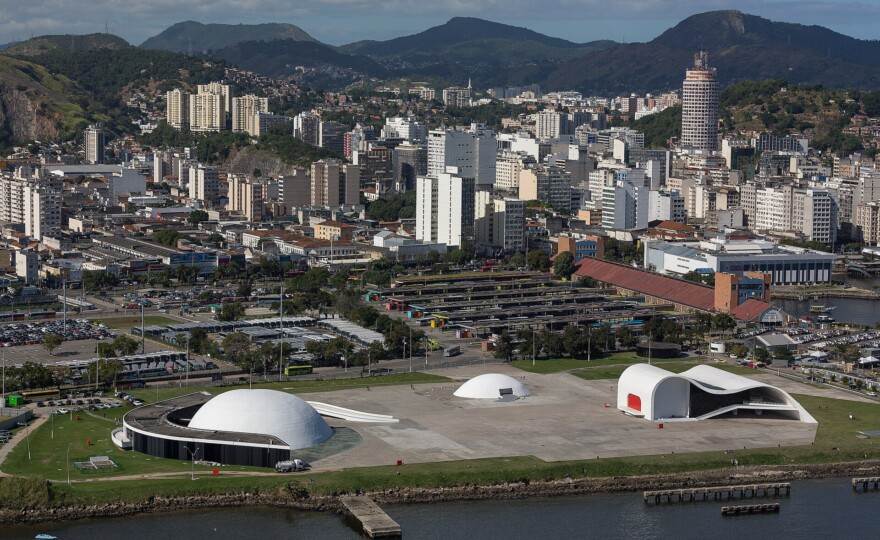
This action is part of Niterói's digital transformation strategy, initiated in 2022, aimed at building data-driven public administration. The project is led by the Municipal Data Office (Escritório de Dados da Prefeitura). Its coordinator, Ricardo Braz, stated that the project is expected to alleviate urban traffic congestion. "By integrating and analyzing this information, we can identify previously invisible patterns and support more efficient decision-making for urban mobility operations," he said.
The solution, built on Microsoft Fabric, consolidates different data sources into a single environment and establishes the city's first government data lake—a centralized repository capable of storing all types of data. Beyondsoft participated in the architecture design and implementation of the proof of concept. The adopted architecture follows the Medallion pattern, with data ingestion, processing, and analysis layers built on top of OneLake (Microsoft Fabric's unified storage where all data is centralized), integrating near-real-time urban mobility records (automatically ingested from the Waze API every five minutes), along with rainfall data and road operation information.
With the preliminary results, the city government has already identified recurring congestion patterns on roads without direct monitoring and has begun storing data that previously existed only transiently. Future plans include expanding the platform's use, incorporating new data sources, and supporting urban planning based on long-term accumulated integrated data.
Building an integrated platform aligns with the broader digitalization trend in Brazil's public sector. According to the "2024 ICT Survey on e-Government" published by the Brazilian Internet Steering Committee (CGI.br), over 70% of public agencies already use information to support decision-making but still face challenges in data integration. This reality highlights the importance of initiatives that organize and connect different data sources to provide a more comprehensive operational perspective.
This article is compiled by Wedoany. All AI citations must indicate the source as "Wedoany". If there is any infringement or other issues, please notify us promptly, and we will modify or delete it accordingly. Email: news@wedoany.com