Ganzhou, Jiangxi, China Implements Full-Chain Co-Governance of Mineral Resources in July
en.Wedoany.com Reported - The "Ganzhou City Mineral Resources Full-Chain Co-Governance Measures" (hereinafter referred to as the "Measures"), issued by the People's Government of Ganzhou City, Jiangxi Province, China, will officially take effect on July 1, 2026. With the core concept of "full chain, full cycle, full coverage," the Measures incorporate sand and gravel industries, including manufactured sand, into a systematic regulatory system. It involves 16 departments, including natural resources, development and reform, industry and information technology, emergency management, ecology and environment, water resources, administrative approval, forestry, public security, transportation, and market regulation, establishing a new co-governance mechanism featuring multi-departmental collaboration and full-loop closure.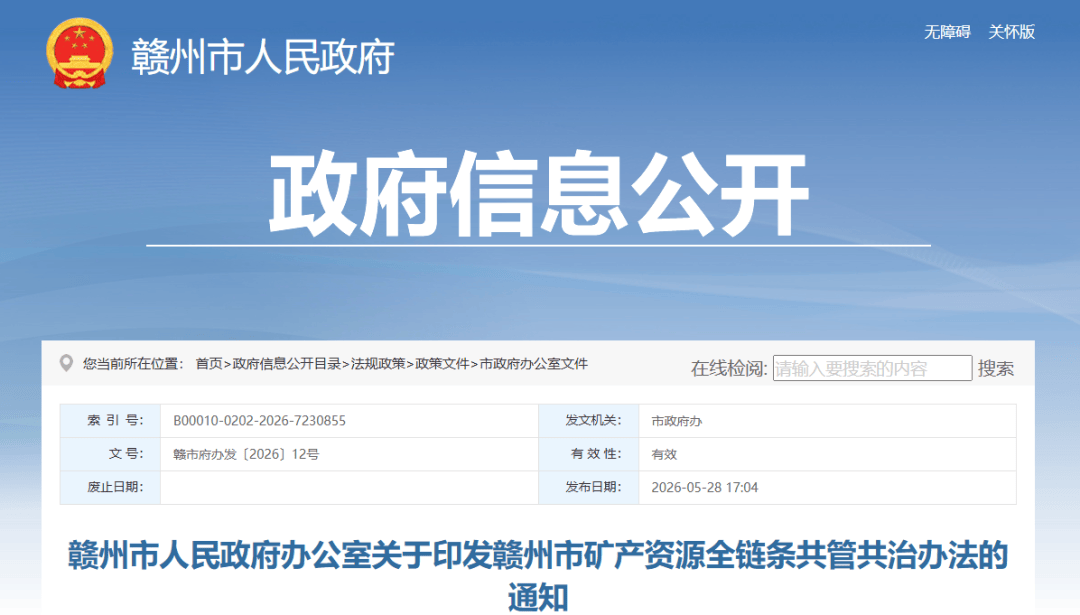
Ganzhou City is a significant concentration area of mineral resources in Jiangxi Province and even nationwide, boasting abundant resources of tungsten, rare earth, fluorite, and construction stone. While serving infrastructure construction, the manufactured sand industry has long faced governance challenges such as "small, scattered, and disorderly" operations, ecological damage, and overloaded transportation. The introduction of the Measures marks a shift in the sand and gravel industry from a relatively extensive management model to systematic governance.
In terms of manufactured sand processing regulation, the Measures define regulatory boundaries across dimensions such as project access, production safety, environmental protection, and quality control. The administrative approval department is responsible for the filing of manufactured sand and mineral processing projects, as well as the approval of soil and water conservation plans; the emergency management department assigns regulatory responsibilities for the "three simultaneities" (simultaneous design, construction, and commissioning) of safety facilities for processing projects such as manufactured sand and engineering waste soil brick-making; the ecology and environment department is responsible for environmental impact assessment and pollutant discharge permit approval, investigating and penalizing substandard dust control and excessive emissions; the water resources department supervises the implementation of soil and water conservation plans. Strategic mineral processing enterprises must establish a record system for mineral product flow and are strictly prohibited from processing illegally mined mineral products.
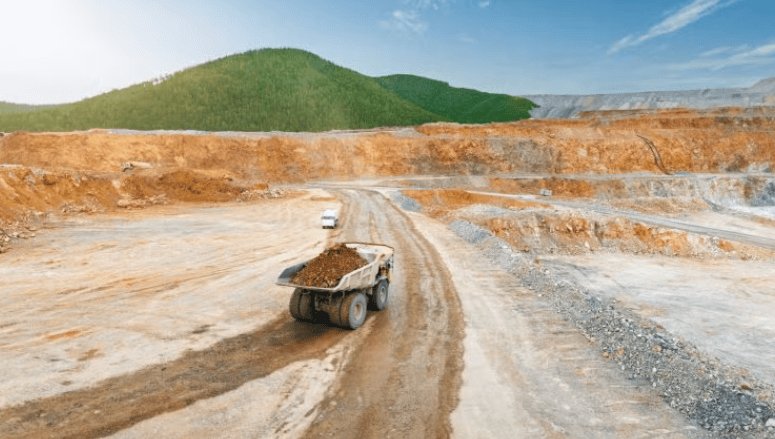
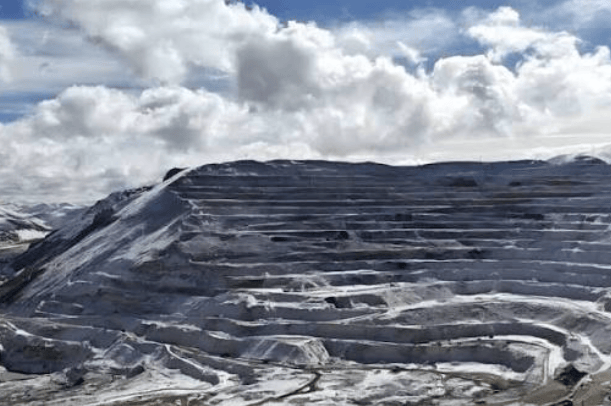
In terms of sand and gravel mining, the Measures propose systematic management requirements for the entire lifecycle. Mining rights holders must complete the preparation and review of mining plans and ecological restoration plans, and complete procedures for safety facility design, environmental impact assessment, water conservation, and land and forest use before organizing infrastructure construction and production. Production is strictly prohibited before acceptance checks are completed. Mine ecological restoration follows the principle of "whoever damages, whoever restores," and illegal mining actors must also fulfill restoration obligations. Green mine construction is explicitly defined as a legal obligation of mining rights holders, running through the entire process of mine planning, construction, and operation. Mines that have been suspended for more than six months must submit a written report to the county-level emergency management department and meet conditions before resuming production; before mine closure, ecological restoration must be completed and pass a joint acceptance check.
In the transportation segment, key source mining enterprises must install weighing detection and video monitoring equipment, with data transmitted in real-time to the provincial overloading control platform; transport vehicles must comply with standards and implement environmental protection measures. The transportation department is responsible for source overloading control supervision, investigating and penalizing overloading departures and spillage; the public security department investigates traffic violations such as speeding and overloading.
The Measures also establish a credit supervision mechanism. Relevant departments use the "double random, one open" mechanism to conduct credit supervision over mining rights holders and processing, transportation, and trading enterprises. Violations will be recorded in the city's public credit information platform and may be subject to joint disciplinary actions. Additionally, mechanisms for joint law enforcement, information sharing, and accountability are established.
The implementation of the Measures will significantly raise the entry barriers and operational costs of the sand and gravel industry, accelerate the elimination of non-compliant "small, scattered, and disorderly" production capacity, and optimize market order. By advancing full-chain governance of sand and gravel through local government regulations, Ganzhou provides a replicable governance model for other mineral resource-based cities.
This article is compiled by Wedoany. All AI citations must indicate the source as "Wedoany". If there is any infringement or other issues, please notify us promptly, and we will modify or delete it accordingly. Email: news@wedoany.com
Related Products


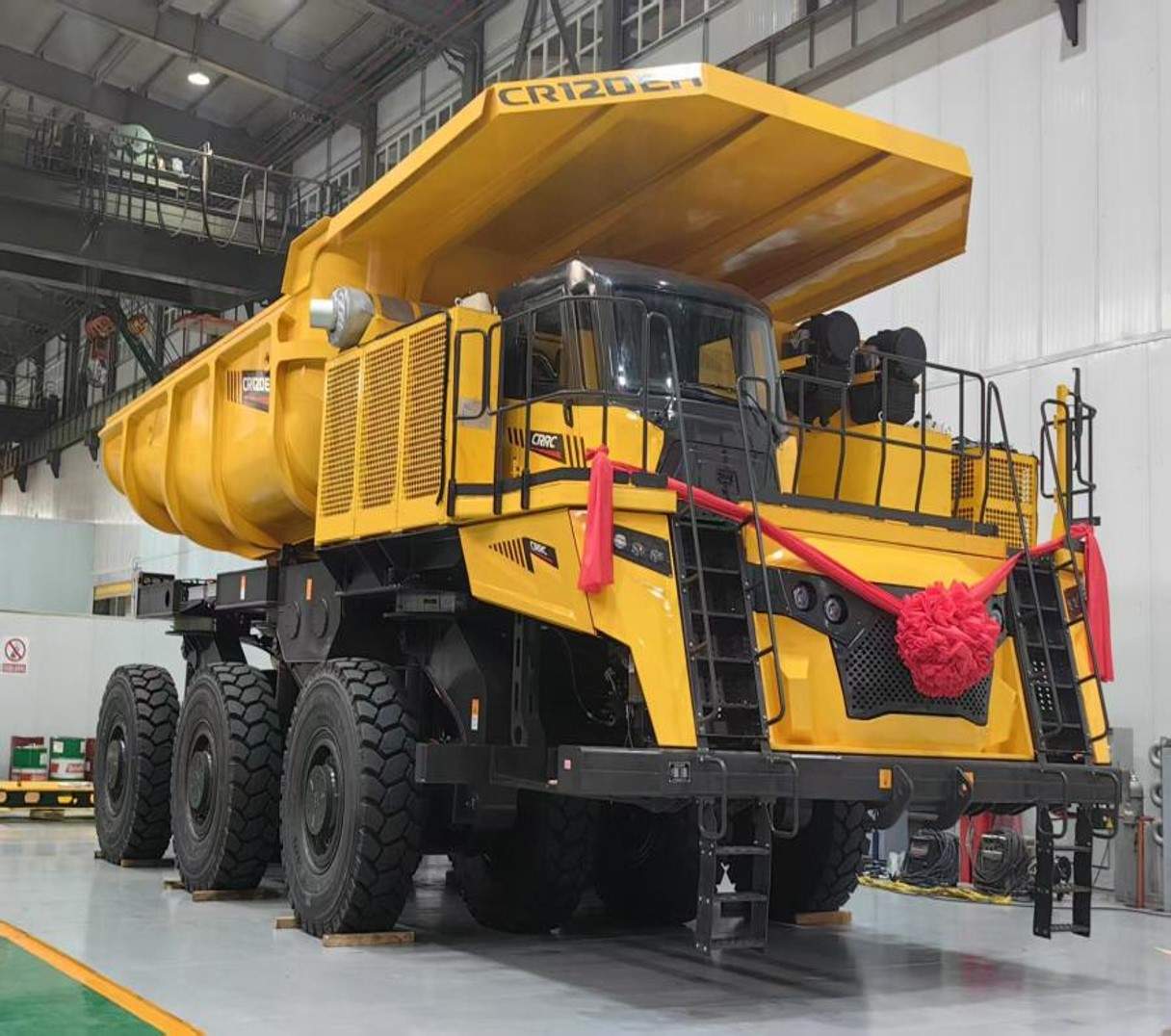
CKD135E Pure Electric Wide-body Dump Truck
Jiangsu Changkuang Engineering Machinery Co. Ltd.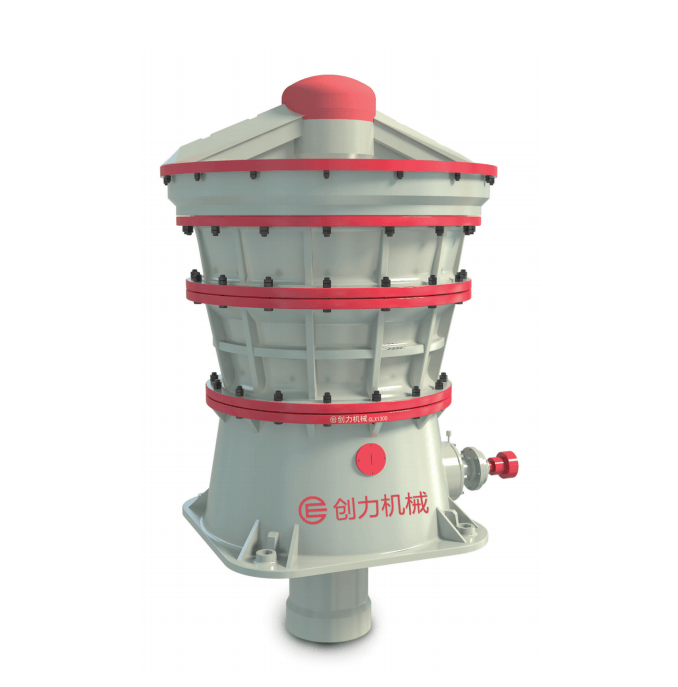
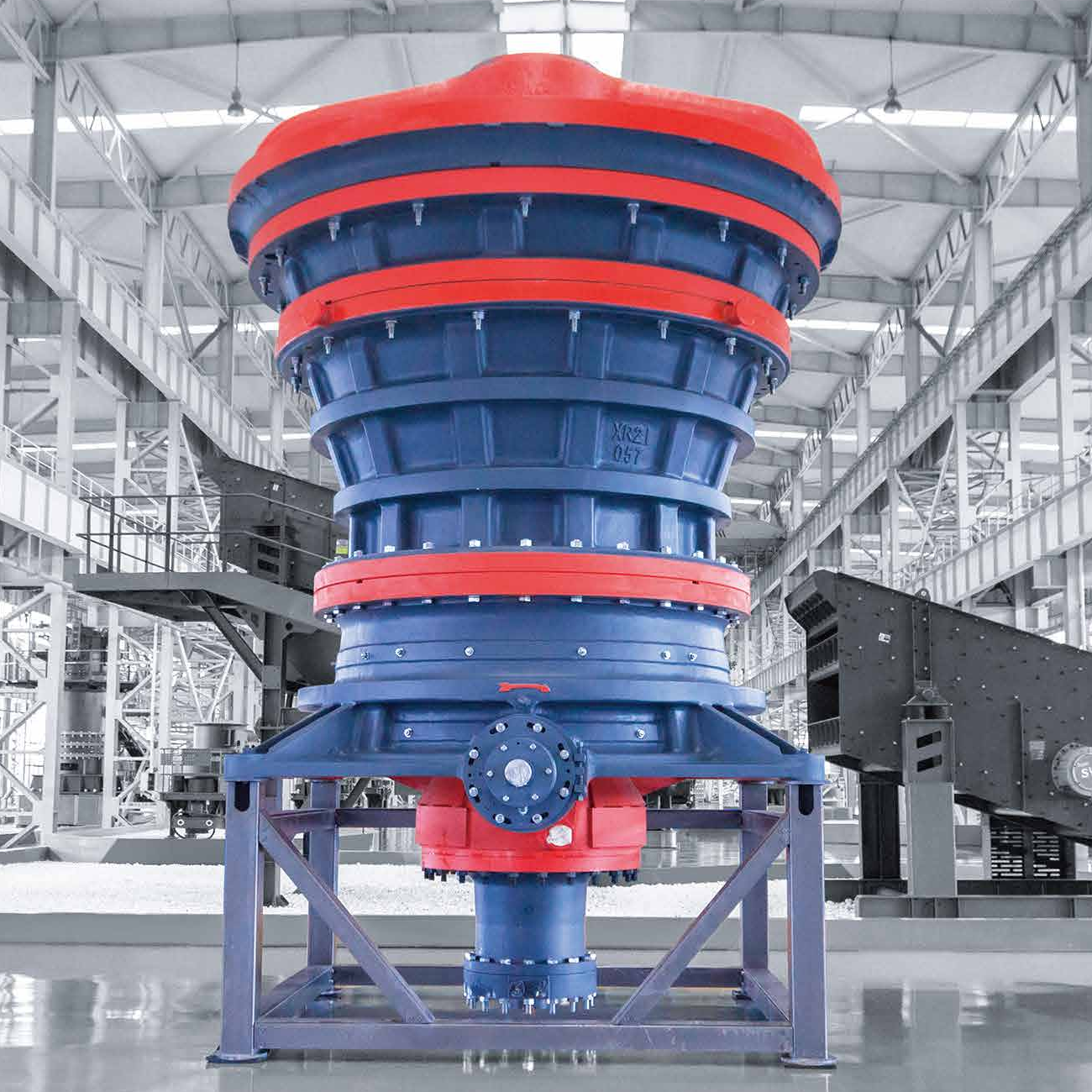
CLX Series Intelligent Hydraulic Gyratory Crusher
Guangdong CHUANGLI intelligent machinery Equipment Co., LTD
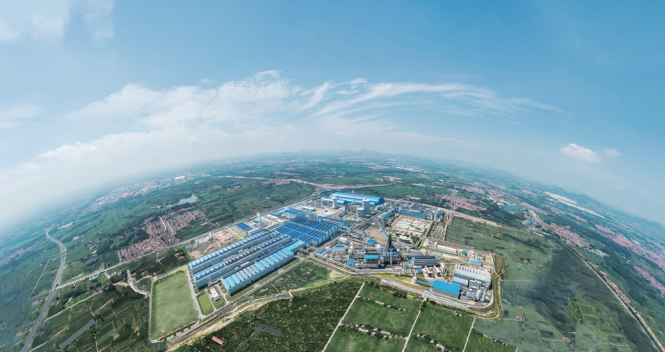
Linyi Steel Investment Special Steel 2.7 Million Tons per Year High-quality Special Steel Project
Capital Engineering & Research Incorporation Limited



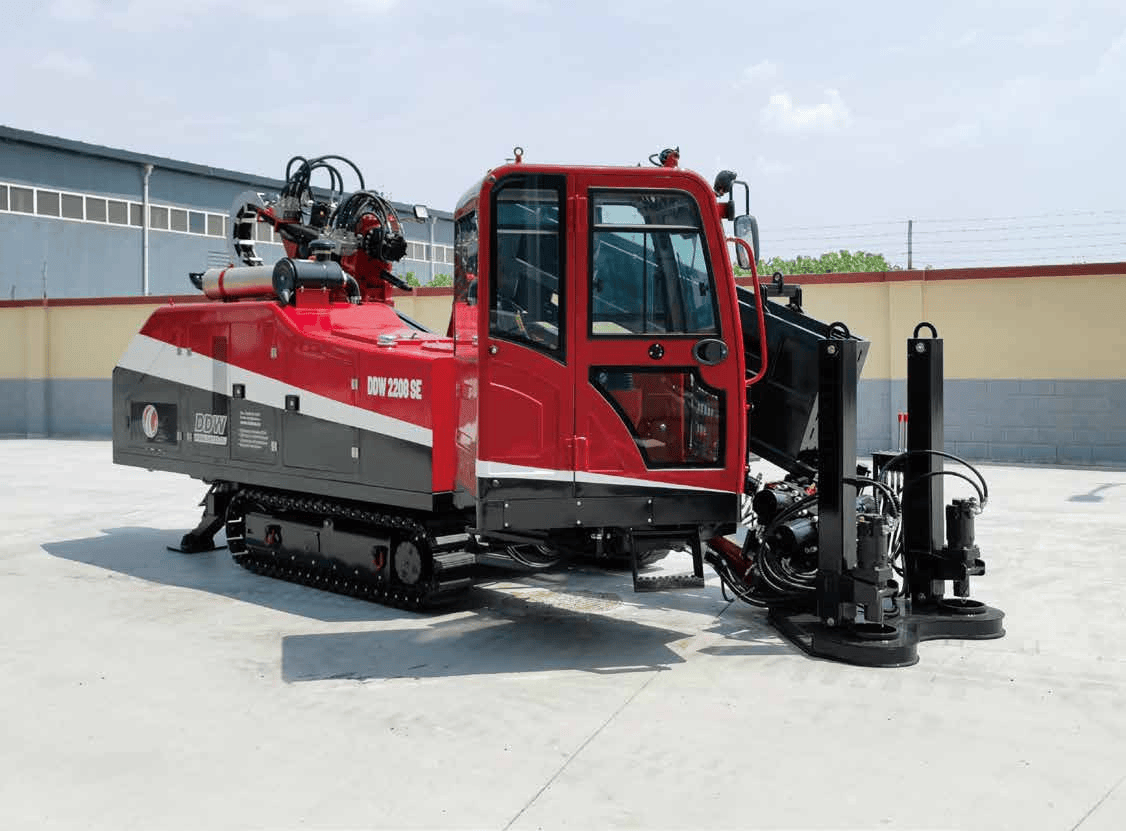
DDW22/08SE-HORIZONTAL DIRECTIONAL DRILL
DW/TXS Construction Equipment (Beijing) Co., Ltd.