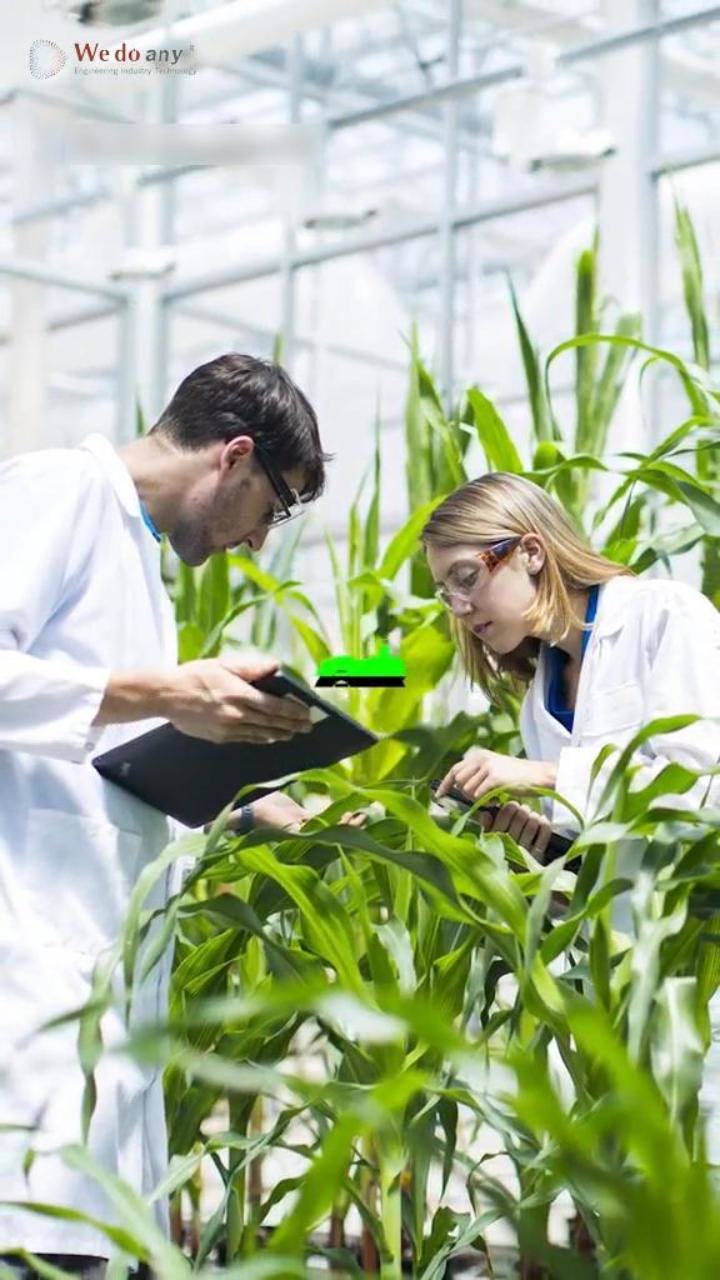
Brazil's 40th Soybean Research Conference Focuses on Climate Change and Profitability Pressures
en.Wedoany.com Reported - Climate change, profitability pressures, and accelerating technological iteration are reshaping the competitive landscape of Brazil's soybean industry, a topic that became the core discussion at the 40th Soybean Research Conference (RPS). The conference was held recently in Londrina, Paraná, over two days, attracting approximately 500 representatives from the industry chain.
The conference was organized by the Soybean Research Institute of the Brazilian Agricultural Research Corporation (Embrapa Soja). According to RPS Chair and researcher at the institute, Liliane Henning, the pace of change demands faster responses from agricultural research. She noted the need to address which disruptive innovations will impact daily farm production and how to accelerate the transfer of technology to the field. The industry is seeking solutions that balance productivity and sustainability.
Climate change emerged as one of the most pressing topics at the conference. During the event, the book Agronomic Topics for Coping with Soybean Drought was released, authored by researchers from the Brazilian Agricultural Research Corporation, aimed at supporting producers in dealing with the increasing climate variability in major producing regions. One of the book's authors, José Renato Farias, a researcher at Embrapa Soja, stated that the impact of drought has extended beyond historically vulnerable areas. The publication compiles contributions from multiple researchers to guide producers in adopting practices better suited to new climatic conditions.

Profitability issues also drew attention. The opening keynote, led by MD Commodities consultant Ismael Menezes, pointed out a mismatch between global food supply growth and stable consumption, a factor that continues to depress international prices. Menezes explained that the market reflects rapid global supply growth, while consumption remains stable and has not kept pace. He argued that in the current scenario, risk management and strategic marketing are no longer differentiating factors but have become essential for ensuring the financial survival of operations, with business management on farms now as important as production efficiency.
Over the two-day schedule, the conference brought together more than 40 speakers, divided into 12 thematic panels, and featured workshops on Integrated Pest Management (MIP-Soja) and technical research presentations. The event conveyed a consensus between the research community and the industry: the future of soybeans will increasingly depend on the ability to integrate science, management, and adaptation to new market and climate demands.
This article is compiled by Wedoany. All AI citations must indicate the source as "Wedoany". If there is any infringement or other issues, please notify us promptly, and we will modify or delete it accordingly. Email: news@wedoany.com
Related Products
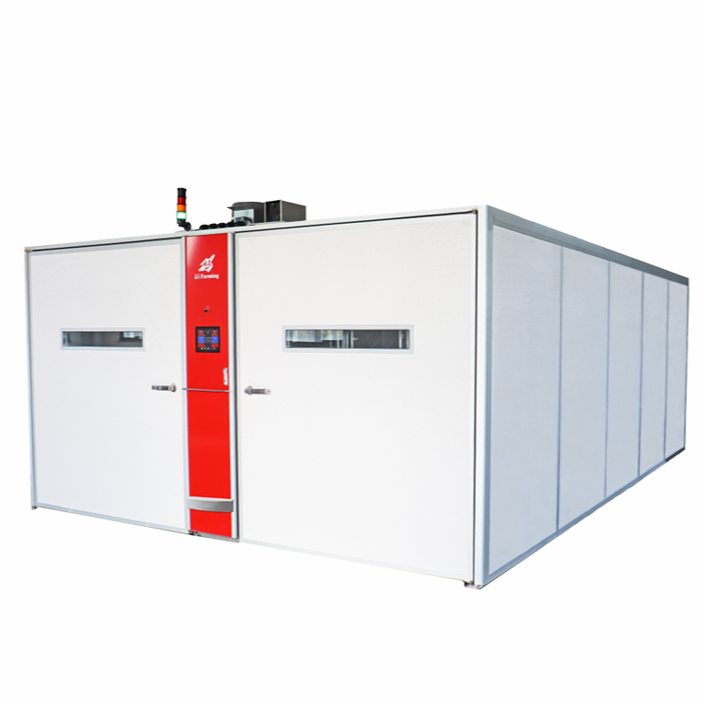



714CD Series C-Band Weather Radar
Chengdu Zhongdian Jinjiang Information Industry Co., Ltd.
4HS-8 High-efficiency Peanut Inverted-laying Harvester
Hebei Yongfa Hongtian Agricultural Machinery Manufacturing Co., Ltd.

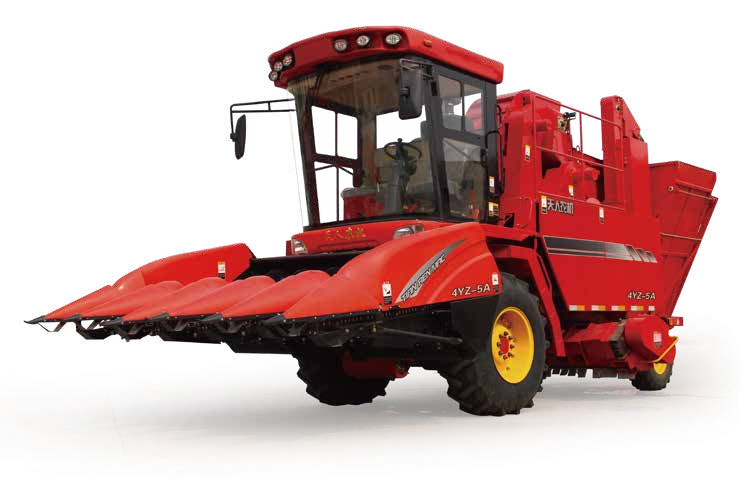

Industrial and Commercial Point-Type Gas Detector
Jinan Benan Technology Development Co., Ltd.