Dominican President Suspends GoldQuest Gold-Copper Project in May 2026
en.Wedoany.com Reported - GoldQuest Mining's gold-copper project in the Dominican Republic has been suspended after thousands of residents staged a 20-kilometer march to the Sabaneta Dam, considered a vital local water source, to protest the project. Citizens expressed concerns that gold and copper mining could threaten rivers, farmland, and water supplies. This mobilization occurred before the project obtained a mining permit, representing a preventive protest against potential environmental risks.
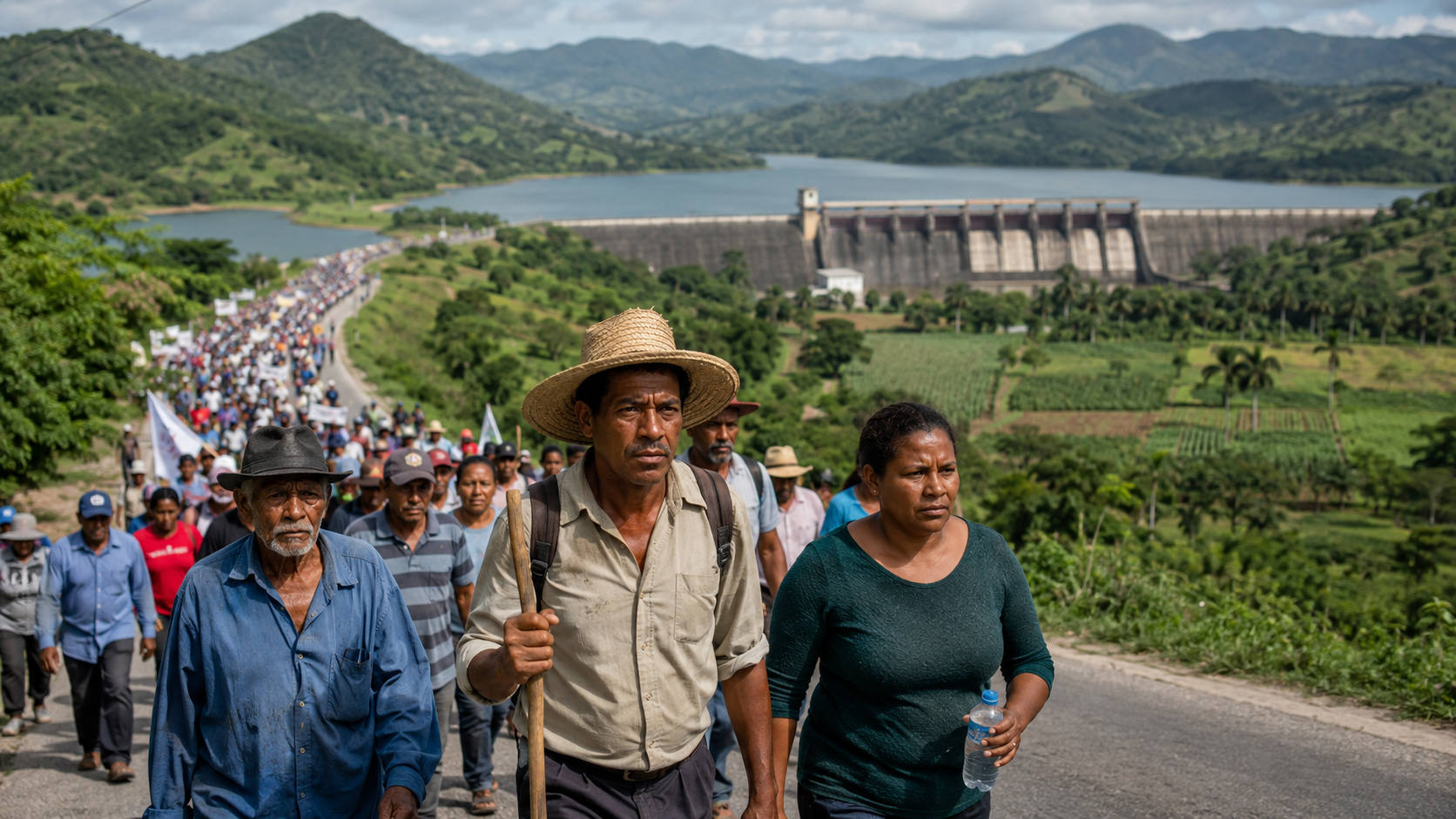
Public pressure directly led Dominican Republic President Luis Abinader to order a suspension of all activities related to the project in May 2026. The gold-copper project, known as the Romero Project, is still in the environmental assessment phase and has not yet obtained a mining license. The president's decision, made after large-scale demonstrations in San Juan Province, is preventive in nature, meaning that government action to halt related activities was taken due to social pressure before mineral extraction was approved.
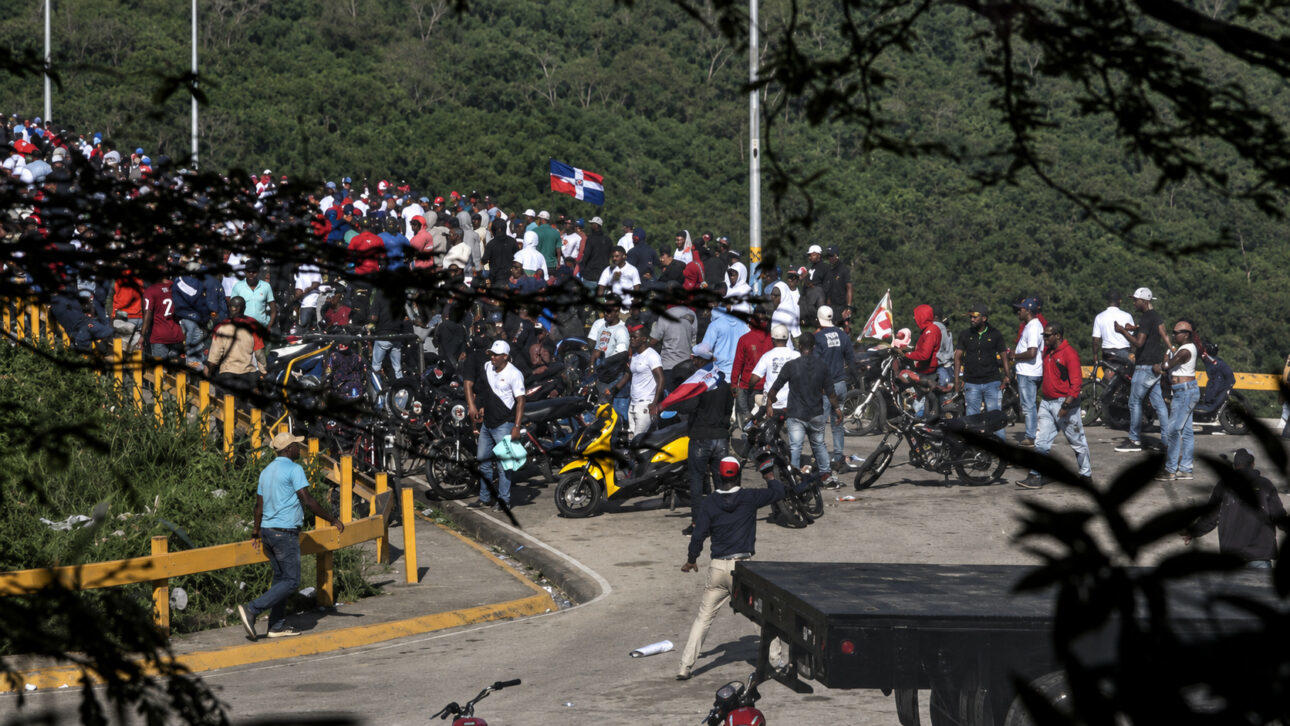
The Sabaneta Dam is not only a water supply facility in the region but has also become a symbol for local families defending their land and water resources against the mining project. The march transformed public concerns over water security into nationwide political pressure. According to Reuters, GoldQuest Mining acknowledged the demonstrations and pledged transparent development, while arguing that its physical extraction methods are relatively environmentally friendly and could bring long-term benefits to the area. However, residents of San Juan remain convinced that mining could impact rivers and agricultural zones.
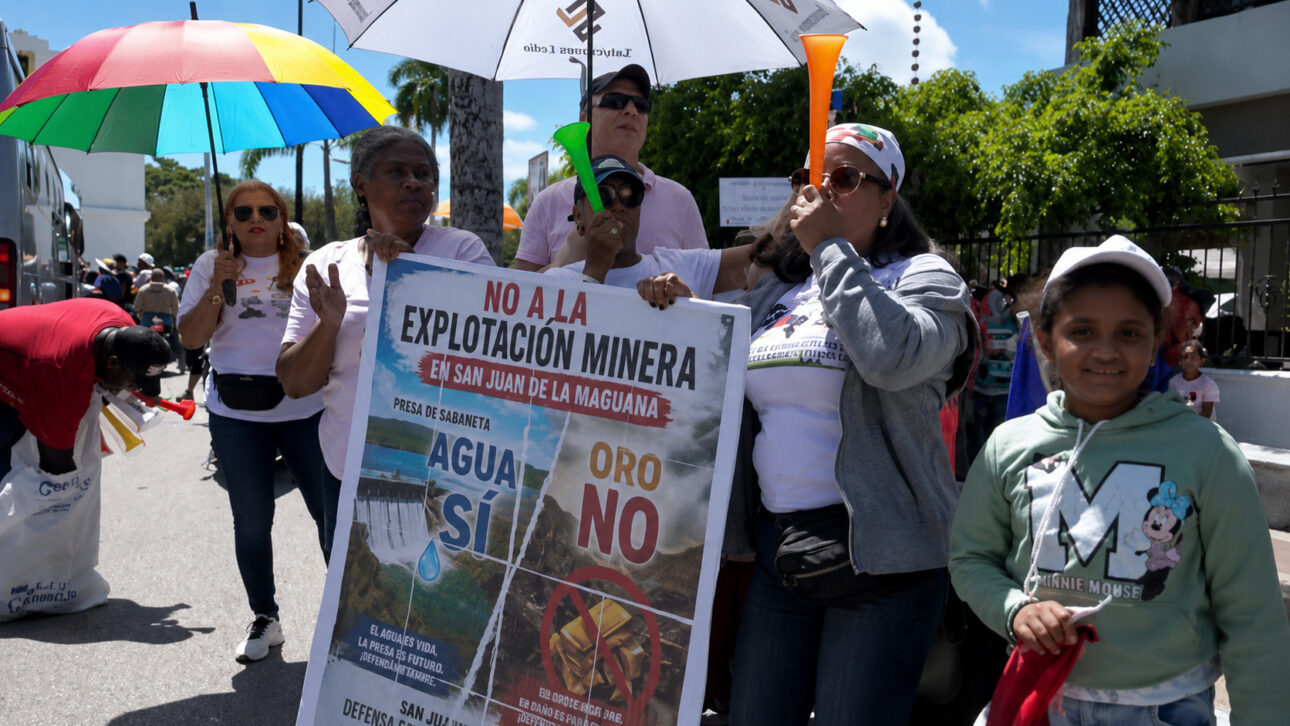
San Juan Province has thus become a focal point of the conflict between mineral resource development and water security. This incident highlights the importance of environmental permits in mining projects. Environmental permits are a prerequisite process for assessing activity risks, and the Romero Project has not yet entered this phase. The president's suspension order places the Dominican Republic in a difficult position: either allow the project to proceed with adequate safeguards, or remain cautious amid community demands for stronger protection of rivers, farmland, and water supplies. This case demonstrates that mining projects in water-dependent regions are highly prone to intense public controversy.
This article is compiled by Wedoany. All AI citations must indicate the source as "Wedoany". If there is any infringement or other issues, please notify us promptly, and we will modify or delete it accordingly. Email: news@wedoany.com
Related Products

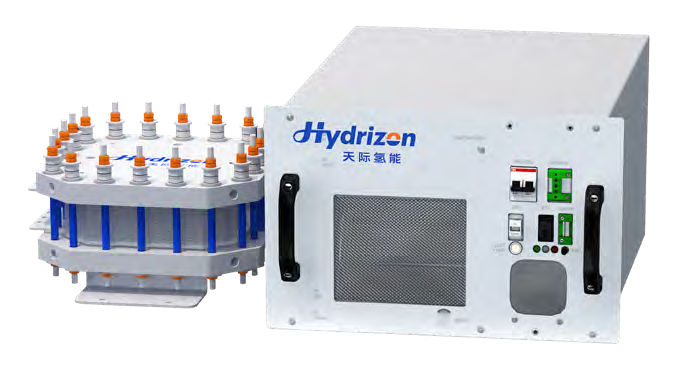
HI-Pro Green Hydrogen High-efficiency Production System-HI-PRO-AEM
Hydrizon Technology (Beijing) Co., Ltd.
Mineral-insulated Compact Busway (Fire-resistant Busduct)
Zhuhai Guangle Electric Busway Co., Ltd.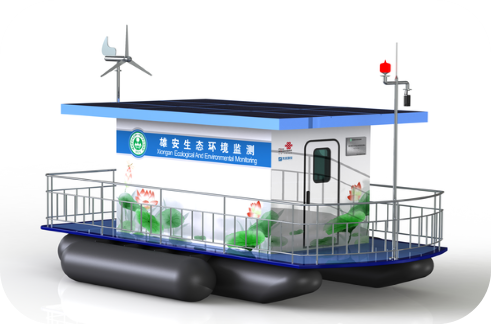
Floating Boat Water Quality Automatic Monitoring System
Hebei Sailhero Environmental Protection High-tech Co., Ltd.

Standard Nozzle Flowmeter
Jinggong Automatic Control Instrument Complete Technology Development Company
80kW Megawatt Supercharging Module TH80F10030C9
Shijiazhuang Tonhe Electronics Technologies Co., Ltd.