en.Wedoany.com Reported - The carbon dioxide removal (CDR) market is facing a significant disconnect between long-term demand and current actual procurement. While buyers generally recognize the value of CDR in achieving net-zero commitments, most are adopting a wait-and-see approach due to industry uncertainty, reluctant to commit funds.
Research commissioned by the Carbon Business Council indicates that sustainability and supply chain leaders across industries, while expressing interest in CDR, feel uncertain about the current market stalemate. The council's survey shows that promoting broader adoption of CDR requires clearer policy direction, verifiable climate impact data, and reasonable cost justification. Nora Callander, spokesperson for financial communications at energy giant Equinor, stated that demonstrating companies have followed robust and credible processes is crucial to supporting the development and credibility of the CDR market. Applying high-quality standards and ensuring transparent reporting, including separate disclosure of emissions, captured CO2, and credit usage, are key factors in building confidence.
Carbon removal credits currently compete for corporate funds with other mature investments, such as energy efficiency upgrades, fleet electrification, and renewable energy power purchase agreements. However, the CDR sector is fragmented, and procurement teams often face issues like conflicting registry systems, inconsistent methodologies, and differing durability claims. Ben Rubin, Executive Director of the Carbon Business Council, stated that verification is only bankable when verification methods are consistent, and when project developers, buyers, and financial institutions all trust the underlying methodology. This requires coordination among science, regulation, and market participants.
The research also highlights regional differences in the regulatory environment. In the United States, due to the lack of clear federal policy, buyers rely on voluntary frameworks like the Science Based Targets initiative (SBTi) to mitigate procurement risks. In Europe, procurement teams face uncertainty regarding how the Corporate Sustainability Reporting Directive (CSRD) and the Green Claims Directive will recognize CDR. Procuring offsets or removal credits before significant reductions in Scope 1 and Scope 2 emissions are achieved is often seen as a reputational risk, potentially affecting a company's preferred supplier status in sustainable procurement programs. Ben Rubin believes this situation may improve as the CDR market strengthens accountability. Advances in monitoring, reporting, and verification technologies, along with improvements in market-level integrity initiatives, are making the definition of carbon removal credits clearer.
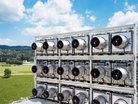
To manage risk, most companies adopt a phased procurement strategy: first optimizing internal operations and supply chain emissions, and deferring active carbon removal procurement to the 2030-2040 window. While this strategy aligns with short-term budgets, it may pose long-term supply chain risks. Industrial-scale CDR projects—such as engineered direct air capture or enhanced weathering—require long development cycles, significant upfront capital, infrastructure, and multi-year verification processes.
The survey shows that cost considerations are closely linked to policies and standards. Companies indicate that when there is clearer guidance on how carbon removals are used and disclosed, it is easier to build an internal investment case. Nora Callander noted that on the marginal abatement cost curve, CDR is cheaper than many options applicable to hard-to-abate sectors. Early demand signals also help projects scale, thereby reducing costs over time. Ben Rubin stated that carbon removal costs vary significantly by method, scale, and technological novelty, but early clean energy technologies followed a similar trajectory, with costs dropping substantially as manufacturing scaled and investment confidence grew from sustained demand. For companies, a more useful framework might be to clarify the actual value of the carbon removal credits purchased, including cost, durability, co-benefits, and verification quality.
Despite the uncertainty, some large companies are still advancing their CDR strategies. In late May, Microsoft reached an agreement with BioCirc to deliver 650,000 carbon removal units over the next seven years, equivalent to the permanent removal of 650,000 metric tons of CO2. This CO2 will be captured from eight of BioCirc's biogas plants in Denmark, then transported and stored at INEOS's CO2 storage facility in the North Sea. Phillip Goodman, Director of Microsoft's Carbon Removal Portfolio, stated that the BioCirc project offers a permanent and scalable method of CO2 removal while benefiting the broader energy system transition. Scalable, high-quality, and highly traceable solutions like this are critical to developing a robust global CO2 removal market.
This article is compiled by Wedoany. All AI citations must indicate the source as "Wedoany". If there is any infringement or other issues, please notify us promptly, and we will modify or delete it accordingly. Email: news@wedoany.com