en.Wedoany.com Reported - According to a 2025 study by Systemiq and Eunomia, U.S. hospitals generate approximately 14,000 tons of waste daily, with plastics accounting for 20% to 25%, yet the actual recycling rate for medical plastics is less than 5%. UCSF Health conducted a 90-day pilot targeting soft plastics, a recycling challenge. Its Mission Bay pharmacy partnered with climate tech startup Clear Drop to install a soft plastic compactor on the pharmacy floor. During the pilot, the device produced 90 bales, diverting 372 pounds of waste from landfills, with an estimated annual diversion of 1,526 pounds per pharmacy. This result has prompted UCSF to evaluate expanding the program across its entire hospital system.
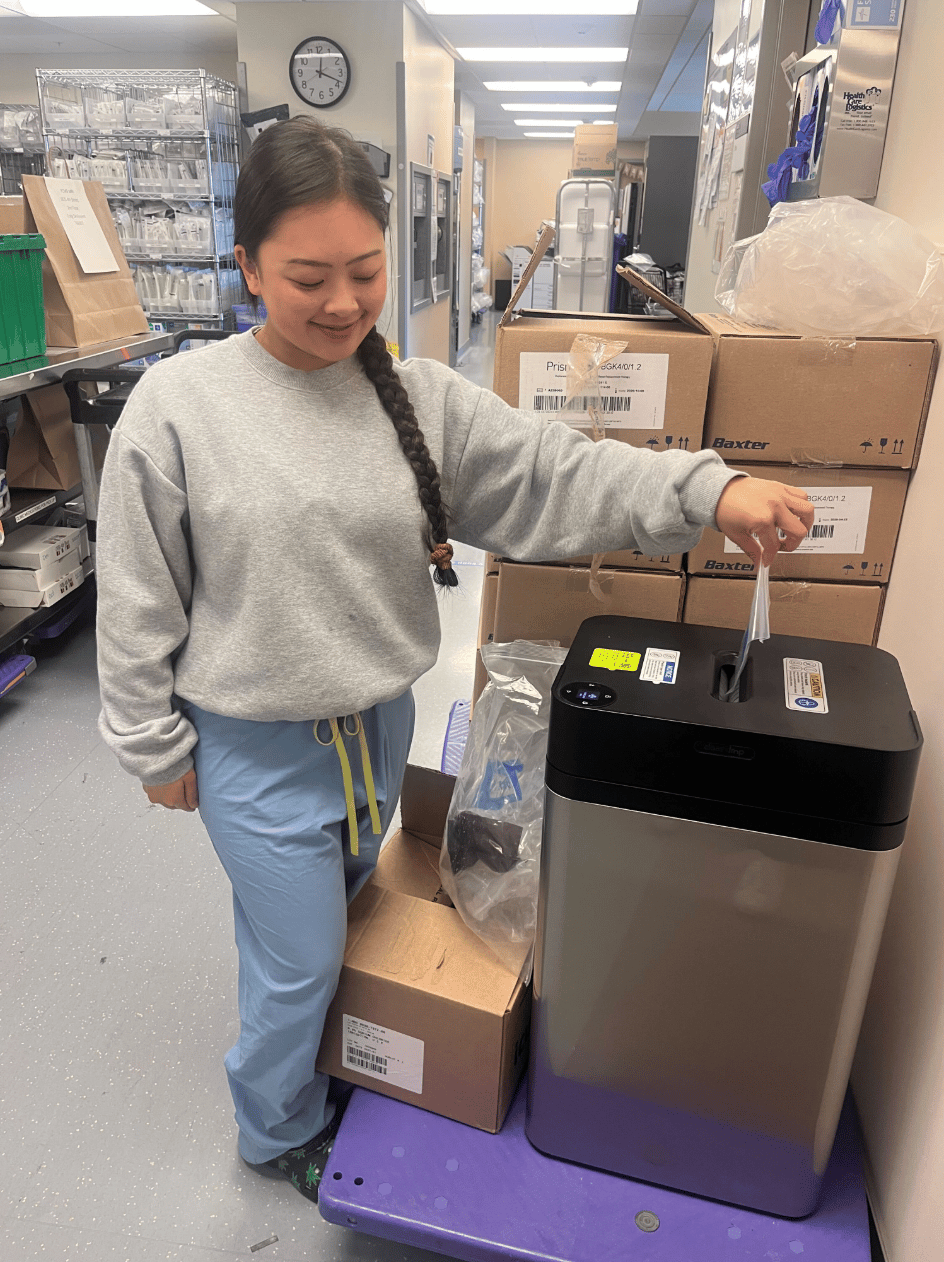
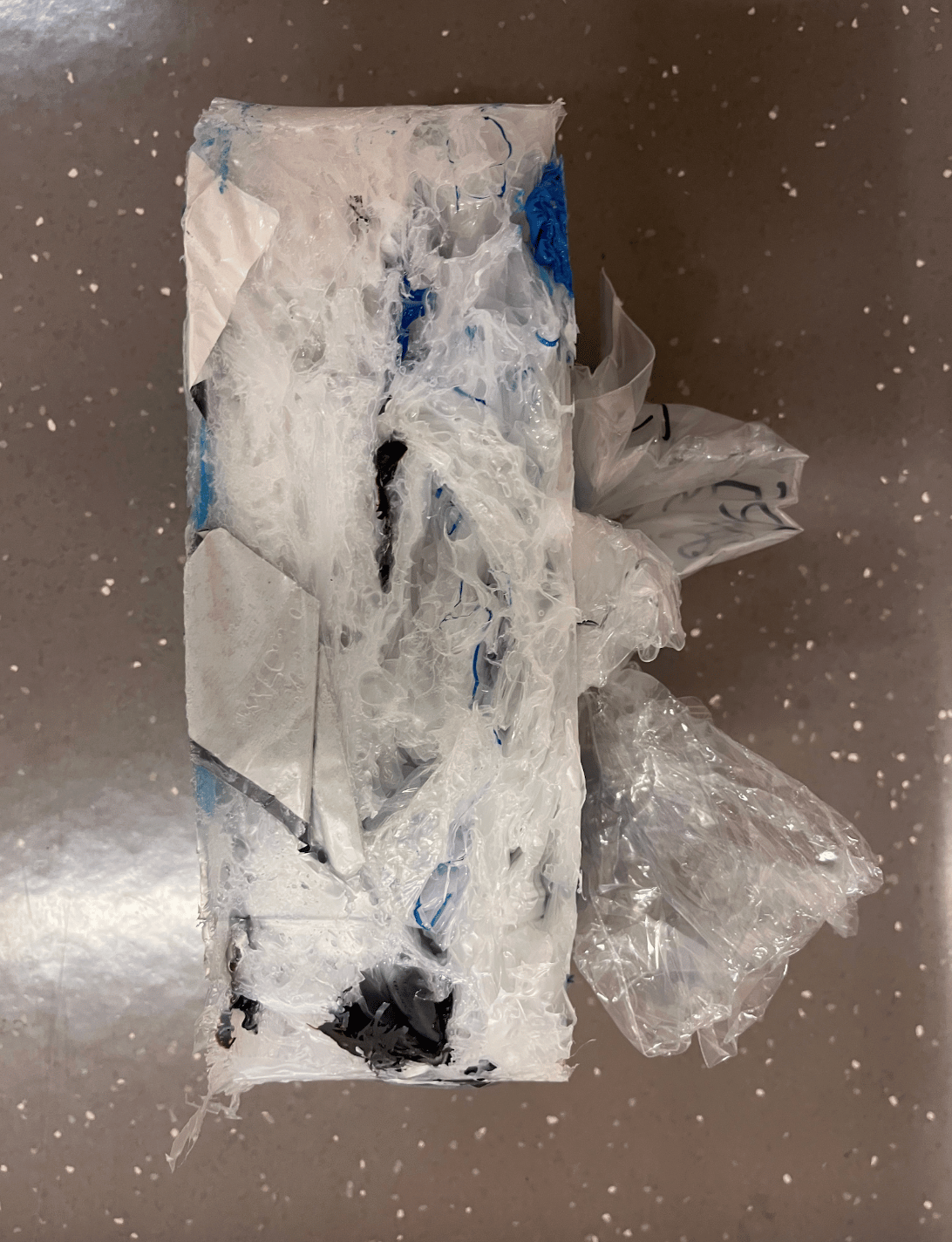
Soft plastic films are fundamentally incompatible with traditional recycling infrastructure. The conveyor systems and optical sorters at material recovery facilities (MRFs) are primarily designed for rigid containers and paper products, unable to handle lightweight, flexible soft plastic films, which tangle, wrap around, and clog equipment. Clear Drop founder and CEO Ivan Arbouzov told *Plastics Today* that the company's soft plastic compactor uses a patented low-heat treatment process, softening only the outer layer of the plastic before compressing it under pressure into dense, uniform bales, processing the material before it leaves the healthcare facility. These bales are stackable, easy to transport, and have market value.
UCSF's pilot adopted a source-proximity approach in its operational design, placing the compactor near the point of generation for plastic bag waste, rather than in a centralized waste collection area. Team members reported producing approximately one bale per day over 90 days without requiring dedicated personnel, and this throughput baseline could be increased through process fine-tuning. The compacted bales were shipped to Frankfort Plastics in Frankfort, Indiana, where they were shredded and densified into recycled feedstock for manufacturing durable goods such as composite flooring, plastic lumber, outdoor furniture, and shipping pallets.
In terms of economic benefits, California landfill tipping fees are $100 per ton, and when combined with transportation costs, the economics become more attractive at network scale. The annual diversion of 1,526 pounds per pharmacy, when multiplied across the entire healthcare system, shifts from a sustainability initiative to waste management optimization. On the regulatory front, California's 75% waste diversion target creates compliance pressure. UCSF's pilot provided a documented diversion of 372 pounds and a verified end market, directly addressing this reporting requirement. Arbouzov noted that internal conversations are shifting from voluntary to mandatory, with extended producer responsibility (EPR) legislation advancing in multiple states.
While the technology has proven feasible, scaling into the medical field still faces unique challenges. The procurement process in healthcare systems is complex, with a longer cycle from successful pilot to purchasing decision compared to commercial clients. Soft plastics are only part of the medical waste problem; rigid pharmaceutical supply packaging and sterile surgical kit packaging also lack consistent recycling pathways. Arbouzov believes that the SPC approach, which moves pretreatment upstream to the point of disposal, could be applied to other material categories. UCSF's pilot provides a replicable model: the 372 pounds of pharmacy bags and supply packaging that would have gone to landfills are now being processed into composite flooring and shipping pallets.
This article is compiled by Wedoany. All AI citations must indicate the source as "Wedoany". If there is any infringement or other issues, please notify us promptly, and we will modify or delete it accordingly. Email: news@wedoany.com