en.Wedoany.com Reported - The development of physical AI is driving the logistics industry from traditional automated material handling towards Industrial Mobile Autonomy (IMA). Traditional automation solutions rely on static, highly standardized workflows. While fixed infrastructure, such as conveyor networks, is crucial for high-density, continuous linear throughput, it is costly to scale and lacks flexibility. Equipment like Automated Guided Vehicles (AGVs) typically operate only along fixed paths defined by magnetic tape or buried wires, or within fenced areas.
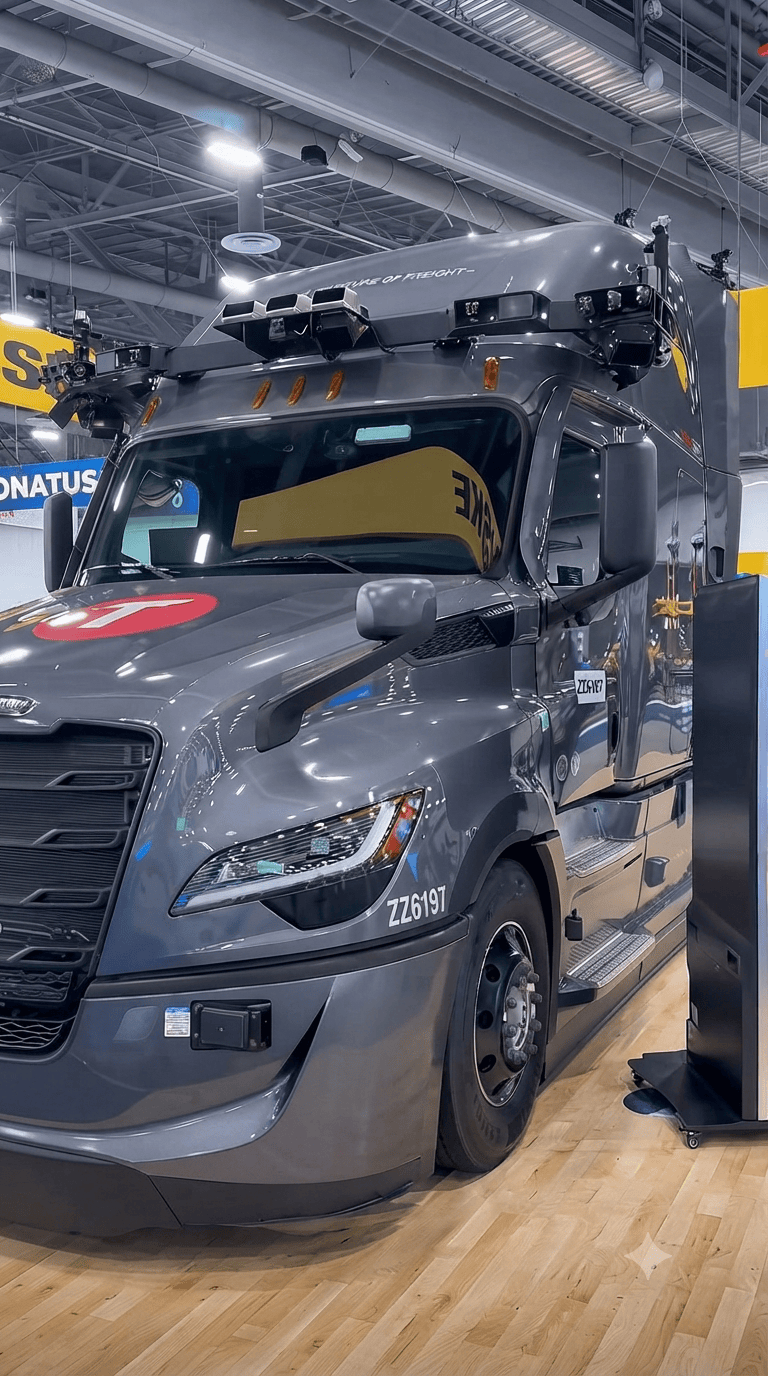
Industrial Mobile Autonomy (IMA) allows operators to utilize intelligent vehicles that can dynamically adapt to their environment, eliminating the need to modify the environment to suit the machines. Autonomous vehicles navigate using onboard sensors (such as cameras, radar, and LiDAR), can dynamically replan routes, and handle transitions between indoor and outdoor environments as well as variable weather conditions, promising to enhance system resilience.
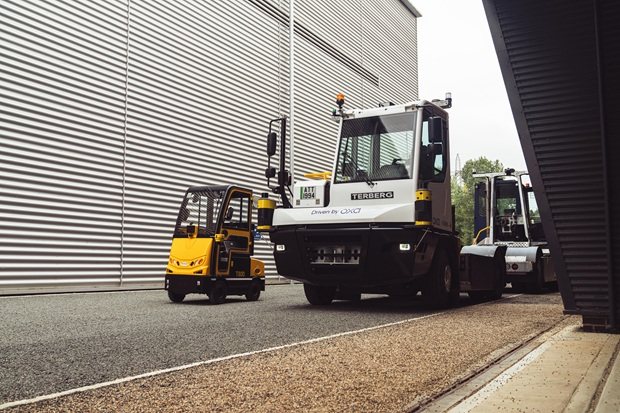
In terms of intelligent fleet orchestration, existing solutions allow logistics operators to manage diverse, mixed autonomous fleets on a unified platform, eliminating vendor lock-in and simplifying management. Deployed autonomous solutions must comply with regulatory requirements and bear the CE mark. The Machinery Directive provides a framework enabling products to be deployed across multiple customer sites without infrastructure modifications, accelerating deployment speed. Solutions independently verified and certified by organizations such as TÜV SÜD offer globally recognized quality and safety marks. Autonomous fleets also need to seamlessly connect with existing Terminal Operating Systems (TOS) and Warehouse Management Systems (WMS) via secure APIs.
To build trust in autonomous machines, solution providers must prioritize safety and explainable AI. The technology must integrate seamlessly into the operational environment. System design should reduce workers' cognitive load, using intuitive Human-Machine Interfaces (HMI, such as acoustic devices and lights) to indicate vehicle dynamics, helping employees understand the vehicles operating around them. Autonomous technology can transform manual operators into supervisory roles, shifting them from drivers to fleet operators or mission controllers, thereby reducing the risk of accidents caused by human error. Employers need to provide clear pathways for upskilling.
Real-world cases validate the commercial viability of autonomous technology. On April 21, 2026, the Port Connectivity and Autonomous Logistics (P-CAL) project completed its first UK trial at the Port of Tyne, operating a fully autonomous terminal tractor in busy terminal traffic alongside active crane operations. Supported by the UK government's CAM Pathfinder program, the project demonstrated that existing terminal tractors can be successfully retrofitted and transformed into a safe, digital workforce. DHL Supply Chain completed a live airside deployment at London Heathrow Airport, where an Oxa-driven autonomous vehicle traveled 1,300 kilometers over 14 days in active airport traffic, establishing a scalable framework for airport services such as inter-terminal baggage transport.
For warehouse and logistics operators, the future of material handling lies in flexible, intelligent, and certified autonomous solutions powered by physical AI.
This article is compiled by Wedoany. All AI citations must indicate the source as "Wedoany". If there is any infringement or other issues, please notify us promptly, and we will modify or delete it accordingly. Email: news@wedoany.com