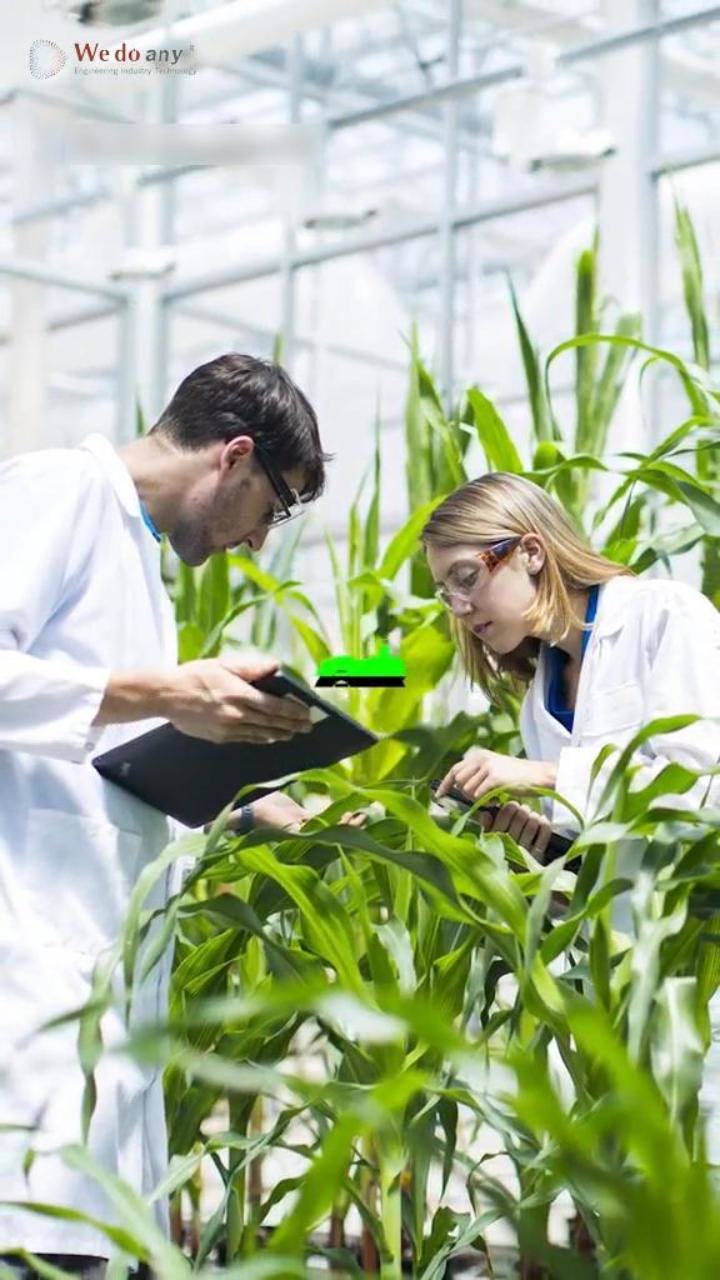
Autonomous Agriculture Oversight Faces a Deep Shift from Automation to Decision Governance
en.Wedoany.com Reported - The development of autonomous agriculture is undergoing a profound transformation, shifting from automation substitution to decision governance. This trend is not simply about machines replacing human labor, but rather a change in the nature of the producer's role, moving directly from execution to monitoring, verifying, and adjusting decisions made by intelligent systems.

Agribusiness has long faced pressures related to efficiency, labor shortages, climate volatility, and the need for operational predictability, creating space for the application of artificial intelligence-based systems in the field. Technology adoption is not merely a matter of access but also involves governance capacity, as producers must assume responsibility for decisions mediated by algorithms.
Global agribusiness is expected to continue expanding over the next decade, but the structural vulnerabilities of the sector have not been eliminated. This expansion occurs in an environment highly dependent on external variables such as climate, credit, and geopolitics, which sets limits on the widespread adoption of automated decision-making models.
A comparison between the agricultural environments of Brazil and the United States helps illustrate this point. The U.S. is more mature in terms of digital infrastructure integration, regulatory predictability, and the structured integration of research, capital, and markets, favoring the adoption of technologies with stronger monitoring and traceability capabilities. In Brazil, although the sector is competitive and has a high level of technology adoption in many industry chains, there are significant asymmetries: highly technified regions coexist with areas of limited connectivity and integration, which reduces the continuous oversight capacity of autonomous systems.
Brazil's deepening participation in international trade has increased the complexity of production decisions. The growing number of export-oriented producers implies higher demands in terms of efficiency, traceability, and compliance. Faced with constraints related to climate finance, the gap between the resources needed for adaptation and those actually mobilized reveals both financial limitations and structural difficulties in resource allocation.
In this context, the discussion on autonomous agriculture needs to be more precise. The core issue is not the ability of machines to operate independently, but whether the sector can build mechanisms for oversight, verification, and accountability that involve technology-mediated decisions. When autonomy is separated from governance, it increases operational and systemic risks; when combined with effective oversight, it enhances the sector's resilience in an unstable environment.
The application of artificial intelligence in the field does not eliminate the human factor but repositions it, while also raising the demands on decision-makers.
This article is compiled by Wedoany. All AI citations must indicate the source as "Wedoany". If there is any infringement or other issues, please notify us promptly, and we will modify or delete it accordingly. Email: news@wedoany.com
Related Products


Industrial and Commercial Point-Type Gas Detector
Jinan Benan Technology Development Co., Ltd.

714CD Series C-Band Weather Radar
Chengdu Zhongdian Jinjiang Information Industry Co., Ltd.

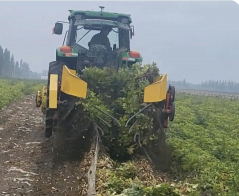
4HS-8 High-efficiency Peanut Inverted-laying Harvester
Hebei Yongfa Hongtian Agricultural Machinery Manufacturing Co., Ltd.