en.Wedoany.com Reported - West and North Africa have recently announced multiple digital connectivity and infrastructure development plans aimed at driving regional digital transformation.
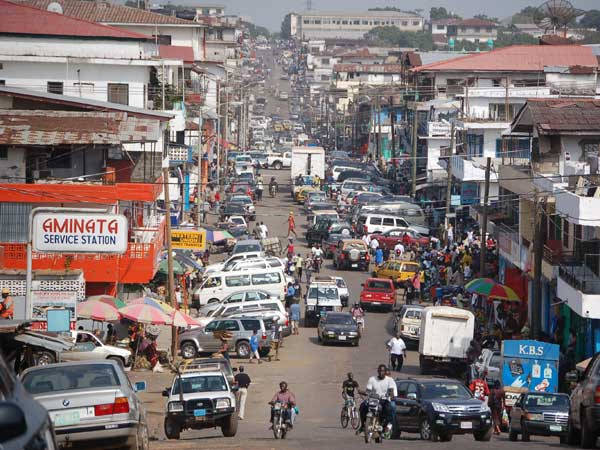
In Liberia, President Boakai witnessed the signing of a $125 million World Bank financing agreement, with funds allocated for digital connectivity, renewable energy, and road infrastructure. The agreement covers three key initiatives: the West Africa Regional Digital Integration Program Phase 2 (WARDIP 2), additional financing for the Regional Emergency Solar Power Intervention Project (RESPITE), and the second additional financing for the Southeast Corridor Road Asset Management Project (SECRAMP).
Under the agreement, Liberia will receive $50 million through WARDIP 2 to expand broadband access and digital connectivity, strengthen cybersecurity and digital governance, promote digital entrepreneurship and innovation, support e-commerce and digital payment systems, and advance the West African single digital market. An additional $57 million has been approved for the RESPITE project to support renewable energy infrastructure expansion. The financing package also includes $18 million in second additional financing for SECRAMP to drive project completion along the strategic 100-kilometer Ganta–Tappita corridor. These three projects align with the government's inclusive development ARREST agenda.
In regional cooperation, the fourth meeting of the Algeria-Tunisia Joint Technical Committee for Cooperation recently concluded, with both sides identifying a series of priority projects and recommendations. The two parties agreed to develop and upgrade existing terrestrial links between the two countries and study the possibility of deploying a new shared submarine cable to Italy. Previously, the Medusa submarine cable system on the France-Tunisia segment had been put into operation. The two countries also agreed to explore mechanisms for preferential mobile roaming tariffs and develop satellite technology-based IoT solutions, while establishing a joint working group to coordinate mobile networks and reduce radio interference in border areas.
These two sets of initiatives could be transformative for the countries involved, though detailed plans and timelines have yet to be announced.
This article is compiled by Wedoany. All AI citations must indicate the source as "Wedoany". If there is any infringement or other issues, please notify us promptly, and we will modify or delete it accordingly. Email: news@wedoany.com