en.Wedoany.com Reported - Ontario has selected three battery energy storage projects with a total capacity of 640 MW (8-hour storage) through the Long-Term 2 (LT2) Capacity Window 1 (c-1) procurement, aimed at enhancing grid reliability during peak demand periods. The Canadian Renewable Energy Association (CanREA) welcomed the outcome, stating that it highlights Ontario's forward-looking focus on energy storage as a tool for grid reliability and energy security.
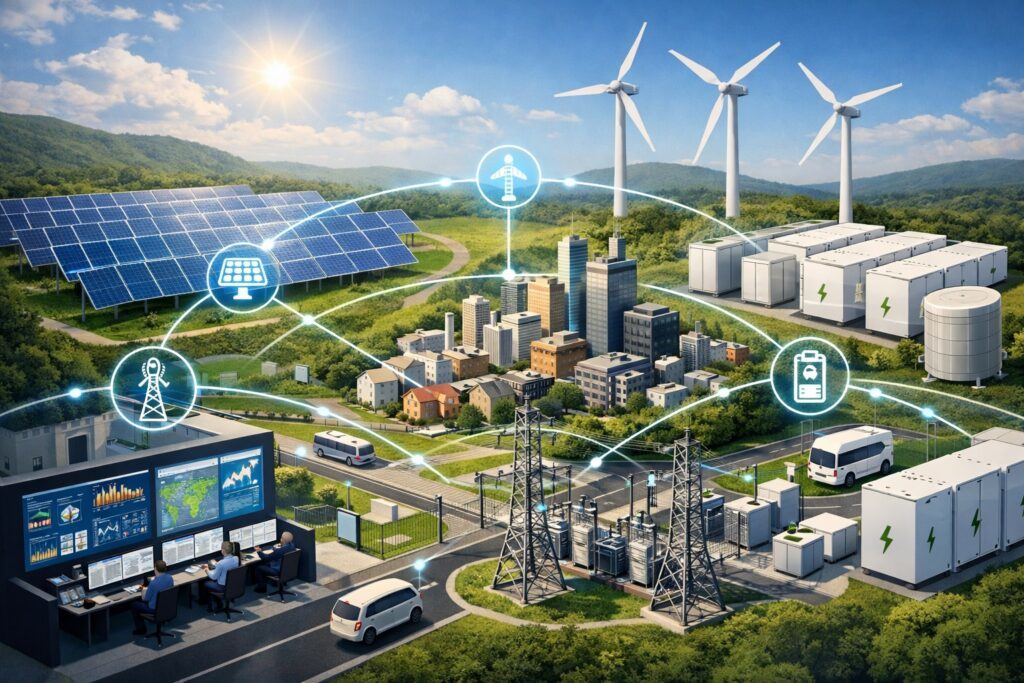
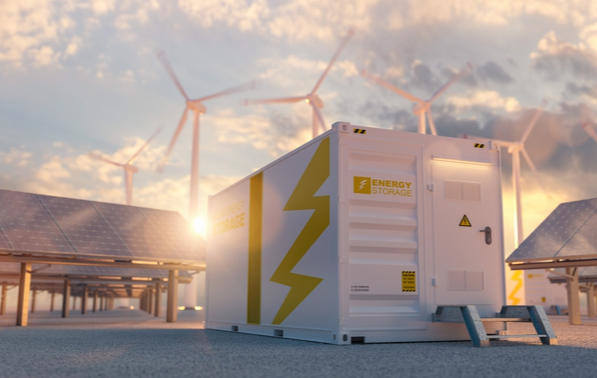
With accelerating electrification and growing industrial demand, Ontario's electricity needs are expected to rise significantly in the coming years. The LT2(c-1) tender procured 640 MW of 8-hour battery storage capacity to support power supply stability during peak periods. Battery energy storage systems can store electricity for later use, intervene during demand surges, help maintain grid stability, and reduce overall system costs. Ontario has now procured a total of approximately 3.6 GW of utility-scale battery storage capacity, capable of powering 3.6 million homes during peak demand periods.
CanREA President and CEO Vittoria Bellissimo stated that Ontario, as the home of Canada's largest battery storage project, is being observed and learned from by other jurisdictions, and that Canada needs more wind, solar, and storage to power the future. CanREA Ontario Policy Director Eric Muller noted that energy storage and renewables, supported by meaningful Indigenous partnerships, continue to succeed in competitive procurements, and that storage combined with wind and solar is an affordable, reliable, clean, and rapidly deployable solution that creates jobs, supports industry, and strengthens Ontario's long-term energy security.
CanREA noted that its members are represented in all three projects, including Gigawatt members Atura and Neoen, and Megawatt member Six Nations Group. All three successful projects have 50% Indigenous equity, highlighting the strength of Indigenous partnerships in Ontario's electricity sector. CanREA stated it will continue collaborating with the Ontario government, the Independent Electricity System Operator (IESO), Indigenous communities, municipalities, and industry partners to advance the expansion of clean, reliable, and cost-effective power resources.
This article is compiled by Wedoany. All AI citations must indicate the source as "Wedoany". If there is any infringement or other issues, please notify us promptly, and we will modify or delete it accordingly. Email: news@wedoany.com