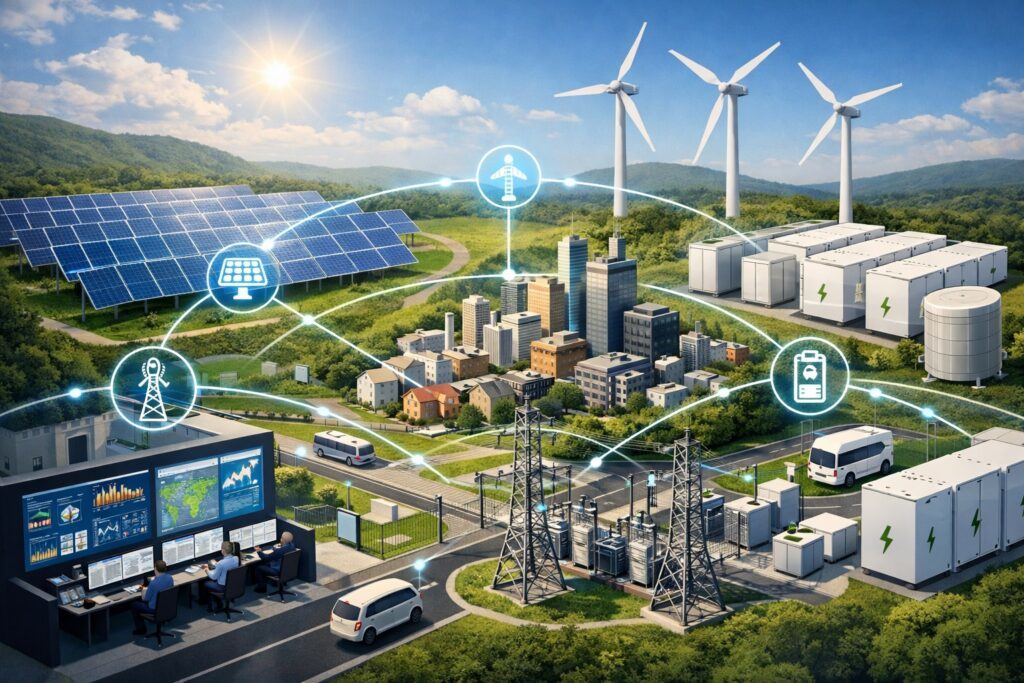
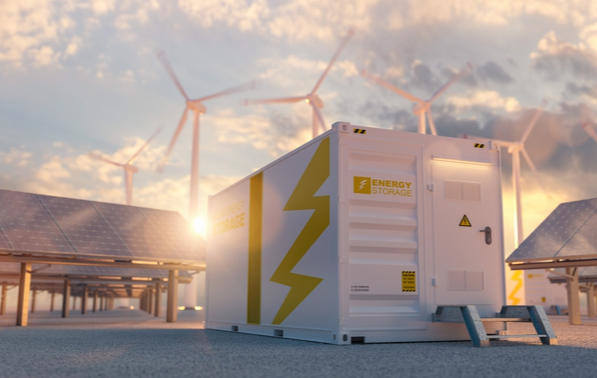
en.Wedoany.com Reported - Hybrid power plants are becoming a key element in stabilizing Europe's energy system. By integrating solar power generation with battery energy storage systems at the same grid connection point, they aim to address issues such as grid congestion, curtailment, and negative electricity prices arising from the rapid development of renewable energy.
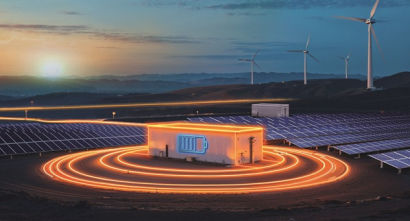
Data from the think tank Ember shows that over the past year, solar and wind energy contributed 30% of the EU's electricity generation. The rapid growth of renewables has brought new challenges, including grid congestion, curtailment due to excess generation, and negative price events. By integrating solar panels with storage systems, hybrid power plants aim to address these limitations, storing electricity during peak sunlight hours and supplying it when demand is higher. This helps reduce the use of fossil fuel power plants, improve grid management, and minimize economic losses.
Despite the rapid growth of renewables, according to Ember data, fossil fuels still accounted for 29% of Europe's electricity generation in 2025. This dependency leaves the EU vulnerable to geopolitical crises and energy market fluctuations. The electrification of the economy is accelerating demand growth. SolarPower Europe estimates that factors such as electric vehicles, artificial intelligence, heat pump adoption, and industrial transformation could push Europe's electricity consumption to 3,000 TWh by 2030.
A recent study by SolarPower Europe indicates that battery storage capacity should quadruple by the end of this decade, reaching 171 GW. Achieving this target could reduce power system operating costs by up to 50% and significantly stabilize wholesale prices. The organization also highlights the economic impact of solar energy on energy security. In just the first two months of the Middle East war, solar power avoided €8.5 billion in natural gas imports, and annual savings could exceed €50 billion by 2030.
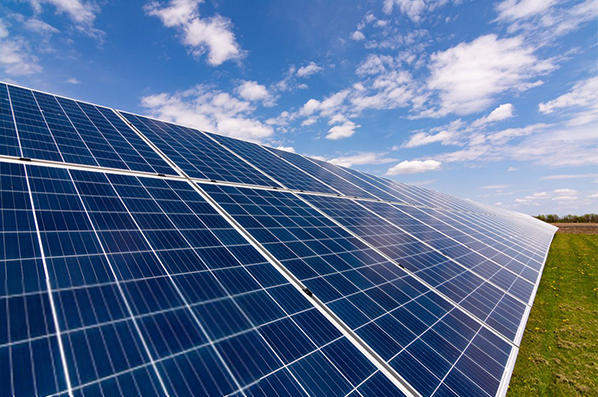
Europe has begun deploying benchmark projects. The UK leads in hybrid power plant development, with the Cleve Hill plant combining a 373 MW solar park with 150 MW of battery storage. Germany, Italy, Spain, and several Central European countries are also accelerating similar projects to increase power system flexibility.
These solutions will feature prominently at Intersolar Europe 2026, held from June 23 to 25 in Munich as part of The smarter E Europe. The event is expected to host approximately 2,800 exhibitors and over 100,000 professionals, exploring how the integration of solar energy, storage, and smart grids can consolidate Europe's energy transition.
This article is compiled by Wedoany. All AI citations must indicate the source as "Wedoany". If there is any infringement or other issues, please notify us promptly, and we will modify or delete it accordingly. Email: news@wedoany.com