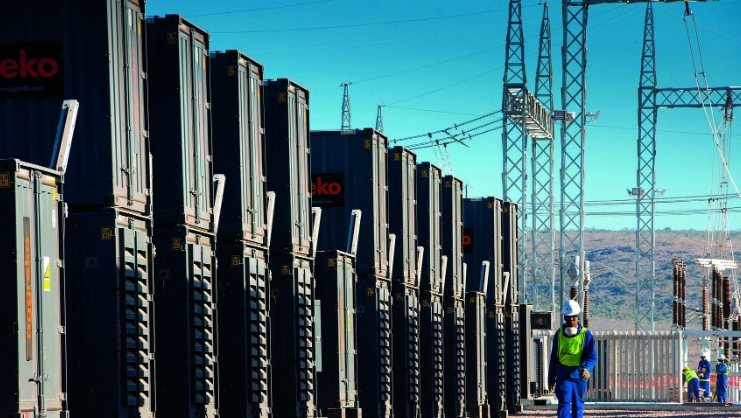
en.Wedoany.com Reported - After being selected in the 2026 Capacity Reserve Auction (LRCAP), Aggreko has begun construction of the UTE Tacaimbó I thermal power plant in the municipality of Tacaimbó, Pernambuco, Brazil, with a total investment expected to exceed R$400 million. The plant, with an initial capacity of 92 MW, will use natural gas as fuel and feature a modular configuration with fast-start engines, designed to provide flexible power support to the Brazilian National Interconnected System (SIN). Aggreko will be fully responsible for engineering, construction, operation, and maintenance of the project. Cristiano Lopes Saito, the company's Sales Director for Utilities and Data Centers in Brazil, stated that the Tacaimbó I project is a significant step in expanding Aggreko's presence in the power generation market and the independent power producer sector, complementing the company's already established supply of modular solutions in mining, oil and gas, and utilities.
The plant is located in the municipality of Tacaimbó, approximately 170 km from Recife, with a population of about 13,000. The site is only about 70 meters from a natural gas pipeline and less than 1.5 km from the transmission infrastructure needed to connect to the National Interconnected System. These geographic proximity advantages help reduce logistical complexity and project implementation costs. Power supply under the contract is expected to begin in October 2028. Before that, Aggreko will complete phases including permitting, civil works, construction, natural gas infrastructure integration, and transmission system connection. The contract model stipulates fixed remuneration based on availability over 15 years, aimed at ensuring national power capacity during periods of high demand or low renewable energy generation.
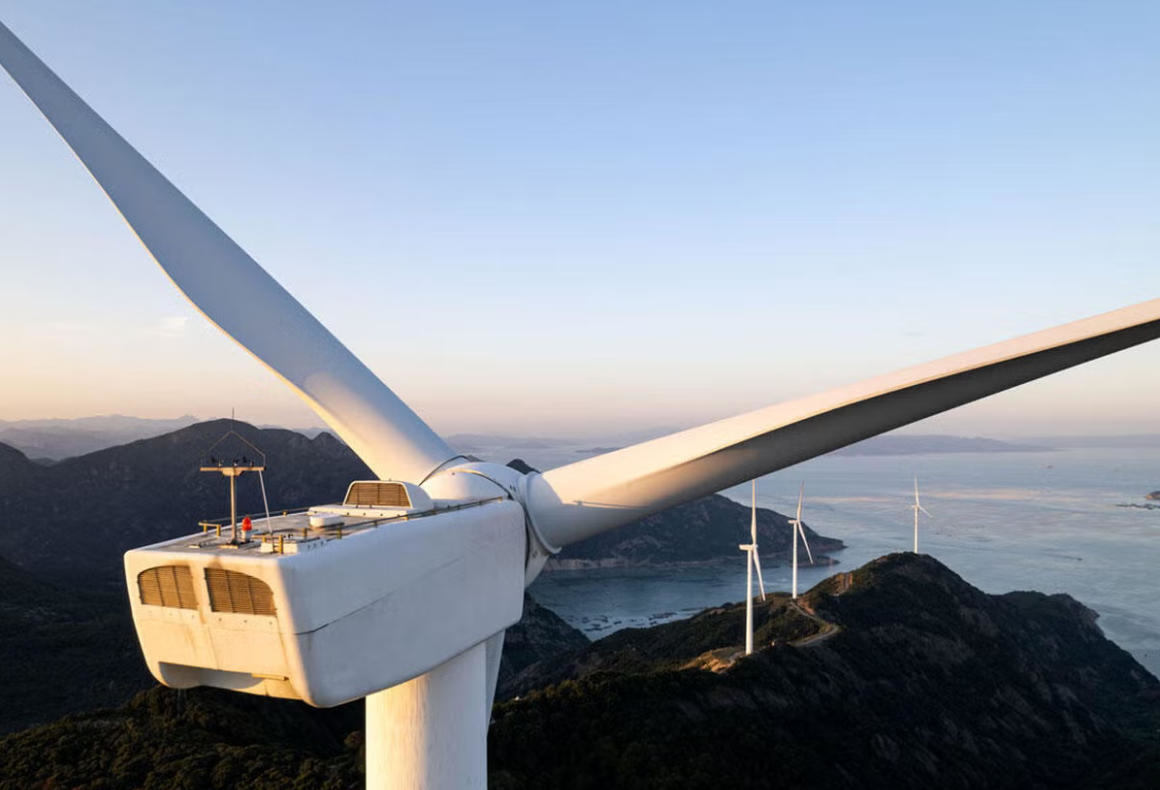
The advancement of this project comes during a period of structural change in Brazil's power industry. With the rapid growth of renewable energy, the system requires plants capable of quickly coming online to compensate for fluctuations in generation. For example, with solar power, when generation declines in the evening, supplementary power sources need to respond rapidly to consumption growth. Aggreko's solution covers this transition as a fast-response power source, shortening the gap between renewable energy withdrawal and thermal power activation. Compared to traditional systems, the technology model adopted by this project enables faster plant startup and greater operational flexibility, a strategy derived from the company's global experience in flexible and hybrid power generation projects.
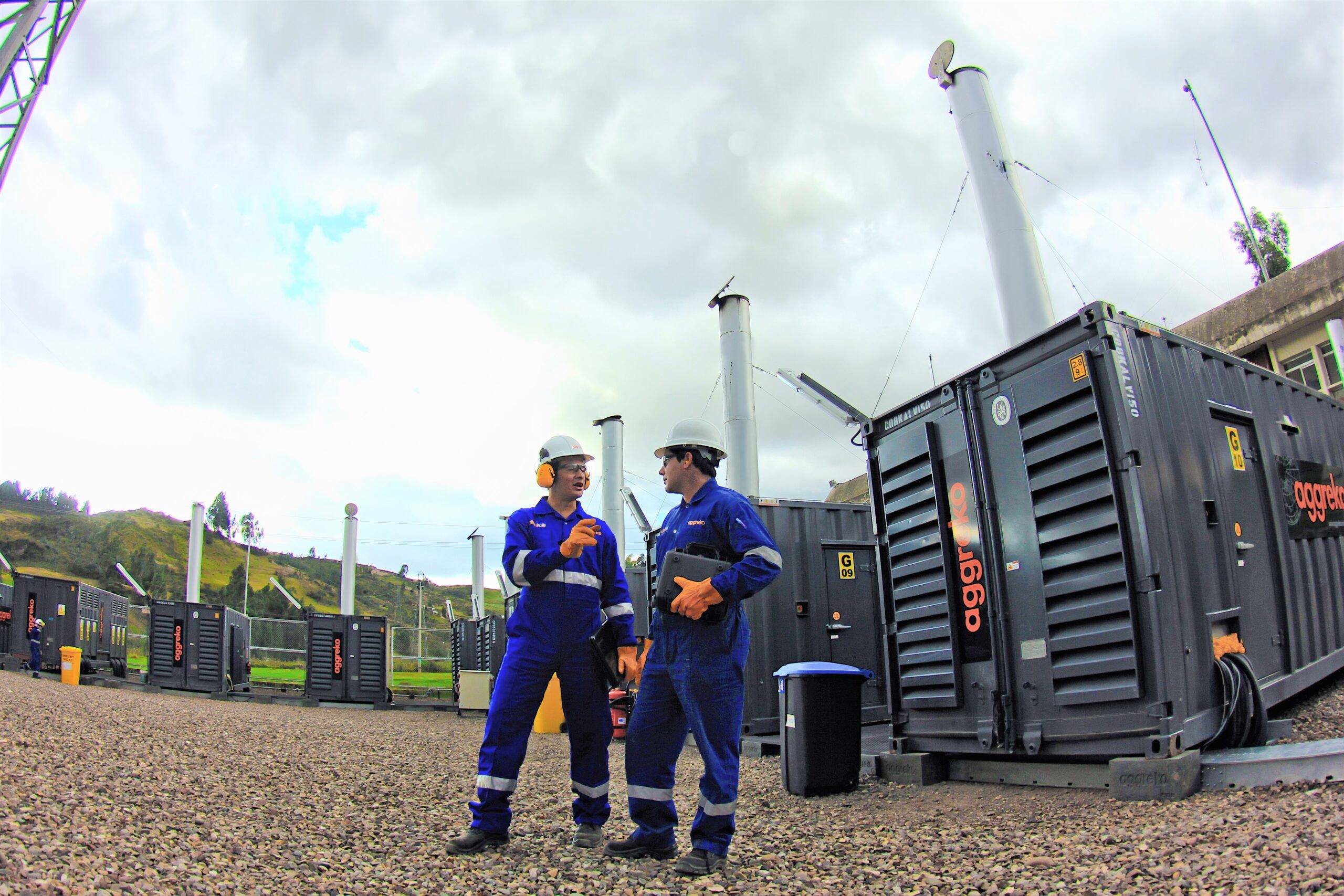
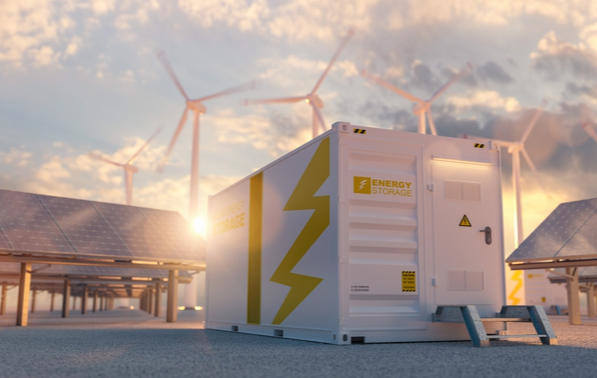
In Brazil, Aggreko has provided energy solutions for multiple sectors including mining, oil and gas, utilities, and data centers, covering power generation, temperature control, and energy storage systems. The company also operates thermal power plants in remote Amazon communities and is introducing solar systems and batteries to reduce fossil fuel consumption and carbon emissions. In Caiambé, Amazonas state, the company deployed Aggreko's first hybrid power plant in Brazil, combining thermal generation, solar power, and battery storage to supply electricity to communities not connected to the National Interconnected System.
Experience gained from isolated hybrid systems will lay the foundation for larger projects like Tacaimbó I, particularly in integrating renewable energy, flexible thermal power generation, and energy storage. Saito emphasized that the company is expanding its participation in projects with short-, medium-, and long-term operational horizons, which bring predictability, stability, and scale, reducing reliance on transactional operations and positioning the company in strategic areas of the energy transition. The project is also expected to have economic effects on the Agreste region of Pernambuco, attracting new businesses through expanded energy infrastructure, improving power supply reliability, and stimulating industrial investment outside major urban centers.
This article is compiled by Wedoany. All AI citations must indicate the source as "Wedoany". If there is any infringement or other issues, please notify us promptly, and we will modify or delete it accordingly. Email: news@wedoany.com