European Energy's Kvosted Hybrid Park in Denmark Integrates Solar Power with Battery Storage
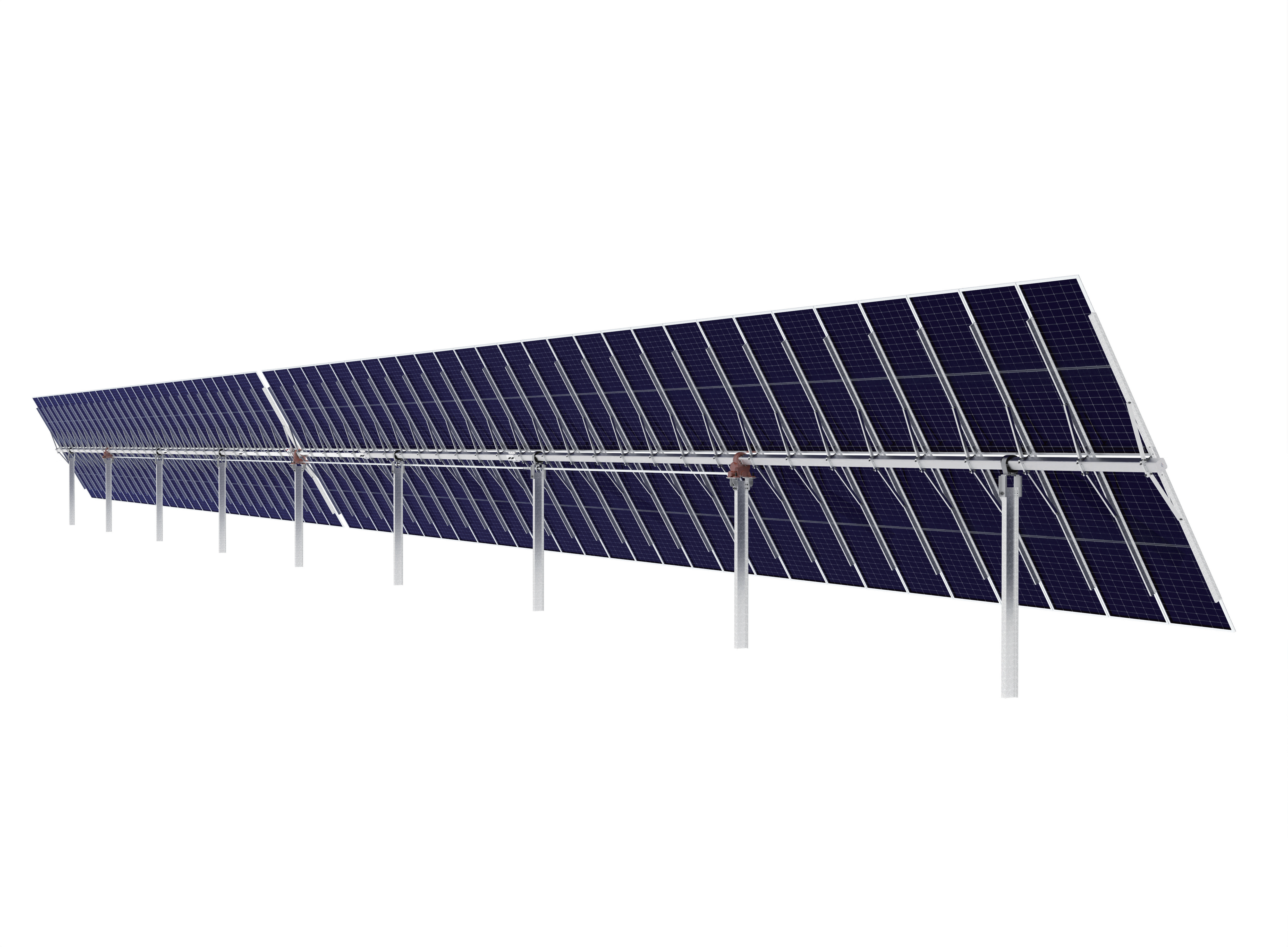
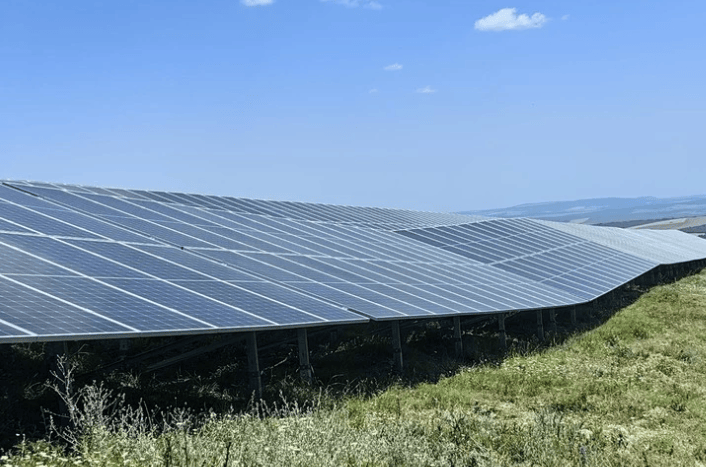
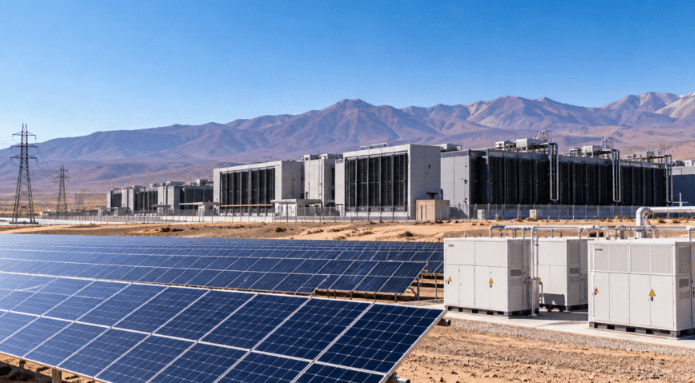
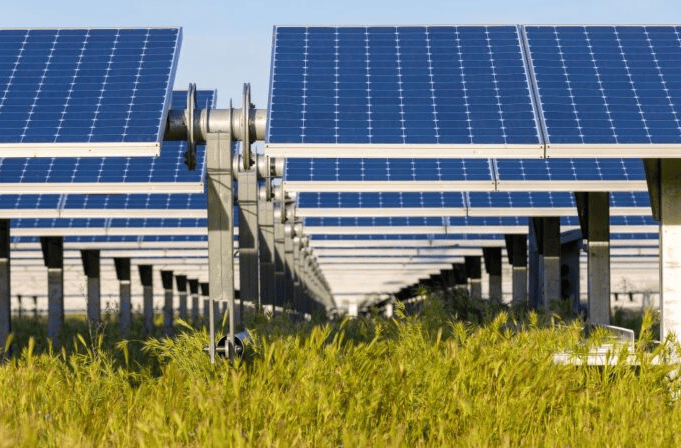
en.Wedoany.com Reported - European Energy's Kvosted Hybrid Energy Park, operating in the city of Viborg, Denmark, integrates solar power generation with battery storage in a single system, demonstrating how hybrid renewable energy projects can address electricity price volatility and enhance project returns. As of 2026, the park is considered one of the largest combined solar and storage facilities in the Nordic region.
As the share of renewable energy in Europe's electricity generation continues to rise, maintaining power system stability has become a significant challenge. Renewables are expected to account for nearly 70% of European electricity generation by 2030, compared to approximately 50% in 2025. This trend has intensified price volatility in the electricity market. For example, in Denmark's DK1 price zone, there were 521 hours of zero or negative wholesale electricity prices in 2025, compared to 424 hours in 2024. When solar and wind power generation is high and demand is insufficient, the grid may become overloaded, forcing renewable energy plants to curtail output or even requiring generators to pay to continue producing electricity.
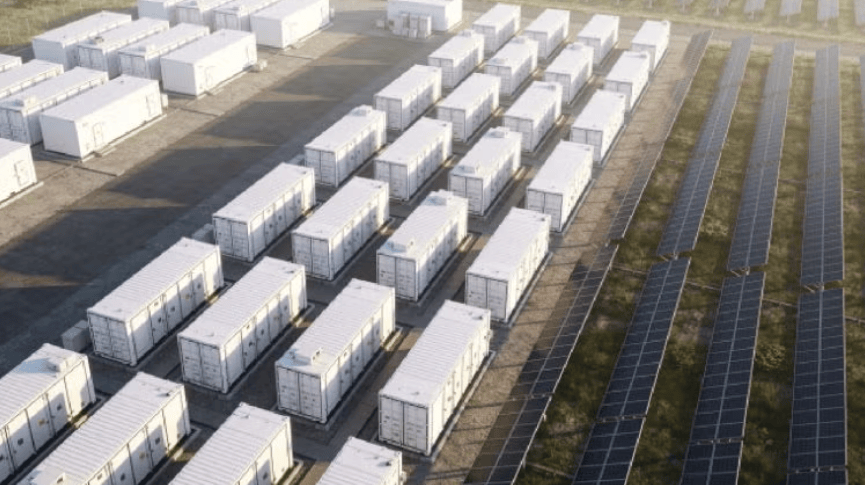
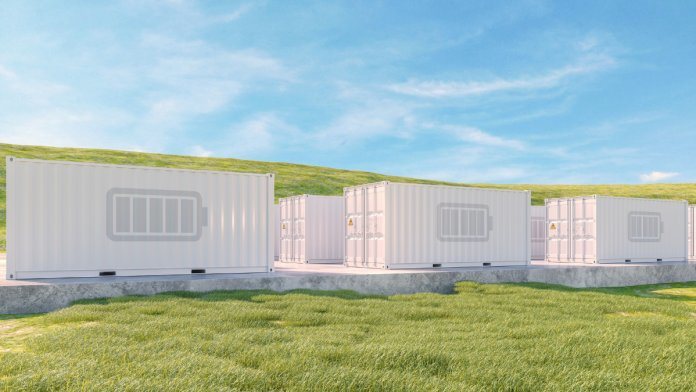
Against this backdrop, the role of battery energy storage systems (BESS) is becoming increasingly prominent. The Kvosted Energy Park does not treat batteries as a standalone add-on but fully integrates them into the project design. Originally built in 2022 as a 101 MW solar power plant, the park decided in 2025 to add a 50 MW / 200 MWh battery system due to increased electricity market volatility and a rise in negative price events. After the upgrade, the solar panels and batteries operate together through a shared grid connection, forming a fully integrated hybrid energy park.
The hybrid system works by storing excess electricity when generation is high and prices are low, and releasing it when demand increases and prices rise. Solar energy generated at midday can be stored in the batteries, avoiding waste or low-price sales; in the evening, the stored energy is fed back into the grid at better prices. This operation reduces losses from curtailment and negative prices while capitalizing on price differences throughout the day. It also improves the utilization efficiency of existing grid connections by providing more energy services through the same infrastructure. Additionally, the batteries at Kvosted can participate in grid support services such as frequency regulation and backup power, creating additional revenue streams beyond normal electricity sales.
From a financial perspective, the hybrid structure makes renewable energy projects more stable and attractive to investors. The system can adjust output based on real-time market conditions, improving overall revenue reliability. European Energy views Kvosted as a model for future development, planning to build as many new solar projects as possible as hybrid systems and developing a substantial pipeline of battery projects across different markets. In 2025, Europe's annual energy storage installations reached approximately 14 GW, expected to exceed 30 GW by 2030. More than 14 countries have incorporated energy storage into their national energy strategies, with batteries transitioning from an optional technology to critical infrastructure.
This article is compiled by Wedoany. All AI citations must indicate the source as "Wedoany". If there is any infringement or other issues, please notify us promptly, and we will modify or delete it accordingly. Email: news@wedoany.com
Related Products


Hydraulic Turbine Genset
Dongfang Electric Corporation Dongfang Electric Machinery Co., Ltd.
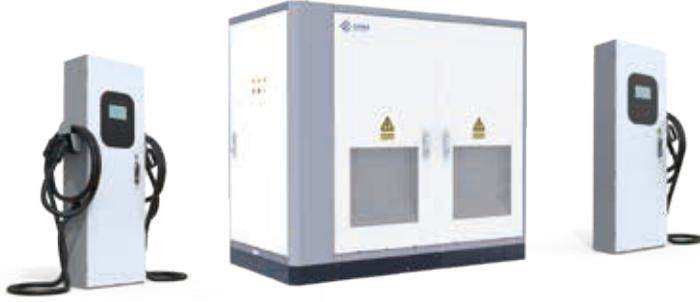
6kV-35kV Medium and High Voltage Direct-Connected Energy Storage System
Hainan Jinpan Smart Technology Co., Ltd.
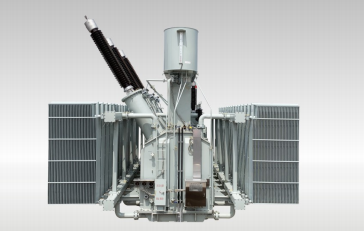
220kV and Below Voltage Level Energy-saving Oil-immersed Power Transformers
FuZhou TianYu Electric Co., Ltd.