Mantiqueira Region of Brazil Sets Record with 300,000 Liters of Olive Oil Production in 2026
en.Wedoany.com Reported - The 2026 olive oil harvest in the Serra da Mantiqueira region marks a milestone for Brazil's olive-growing industry. With an estimated production of 300,000 liters, driven by the state of Minas Gerais, southeastern Brazil has achieved a historic record following the low yields of 2025. The quality of this season's olive oil has already gained international recognition and has been reinforced by the certification label of origin from the Association of Olive Growers of Mantiqueira and the Southeast (Assoolive).
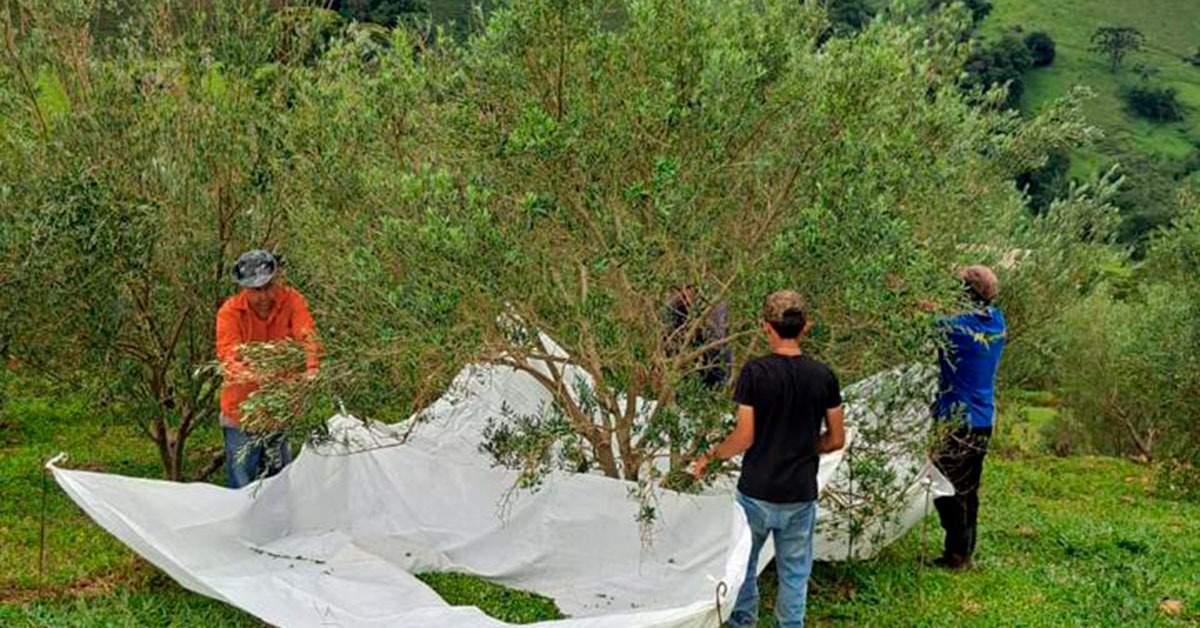
This certification, issued by Assoolive, now includes a sensory analysis component in addition to the standard physicochemical analysis. This initiative raises the technical standards for olive oil, reinforcing strict norms regarding quality, authenticity, and origin.
According to Moacir Batista do Nascimento Filho, President of Assoolive and Coordinator of the Olive Oil Cultivation Technical Committee of the Minas Gerais State Department of Agriculture and Livestock (Seapa), olive oil production in the Mantiqueira region in 2026 has surged, breaking previous yield records. The combined production of the Mantiqueira region and southeastern Brazil (with Minas Gerais as the main producing area) is estimated at approximately 300,000 liters, a significant increase from 150,000 liters in 2024 and far exceeding the 60,000 liters in 2025.
Moacir explained that the production increase is due to favorable climatic conditions. The olive harvest largely depends on the weather from the previous year, requiring low temperatures during the flowering period to ensure a bountiful harvest six months later. He also emphasized that olive cultivation is a new industry in the region, starting in 2008 with the Minas Gerais Agricultural Research Company (Epamig) in the municipality of Maria da Fé in southern Minas Gerais, and still has significant room for growth.
According to Nascimento, the expansion of olive groves, previously concentrated in the Serra da Mantiqueira, is now advancing into the Serra do Espinhaço, covering several municipalities in Minas Gerais. Despite the production growth, Brazil's domestic olive oil output still accounts for only 1% of the national demand, estimated at 1 million liters. Olive oil produced in Minas Gerais is priced between 80 and 120 reais per 250-milliliter bottle, depending on the brand and point of sale. Most sales still occur in regional specialty stores and directly on farms through olive oil tourism (olivoturismo), a model that allows consumers to learn about the entire production process from cultivation to pressing.
With the increase in production and the need to certify olive oil quality and provide greater consumer assurance, Assoolive has implemented a certification label. Created in 2012, the label initially required only physicochemical analysis, but starting in 2026, the certification has added sensory analysis, a crucial step to ensure the product is free from defects. This certification is voluntary and available to Assoolive's member producers; approximately 20 brands already use the label, signaling to consumers that the product has undergone complete and rigorous analysis.
Nascimento emphasized that investment in research is crucial to support the continued growth of olive oil production in Minas Gerais and other regions. He believes that to consolidate and sustainably develop olive cultivation, it is necessary to strengthen research, formulate favorable policies to fund research and development, and allocate more researchers to universities and institutions such as Epamig and the Brazilian Agricultural Research Corporation (Embrapa). Introducing new varieties and deepening multiple research lines are essential for adapting the crop to different regions and increasing yields.
This article is compiled by Wedoany. All AI citations must indicate the source as "Wedoany". If there is any infringement or other issues, please notify us promptly, and we will modify or delete it accordingly. Email: news@wedoany.com
Related Products


Industrial and Commercial Point-Type Gas Detector
Jinan Benan Technology Development Co., Ltd.

714CD Series C-Band Weather Radar
Chengdu Zhongdian Jinjiang Information Industry Co., Ltd.
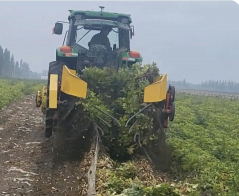
4HS-8 High-efficiency Peanut Inverted-laying Harvester
Hebei Yongfa Hongtian Agricultural Machinery Manufacturing Co., Ltd.