en.Wedoany.com Reported - South Korea plans to nearly triple its renewable energy capacity to 100 GW by 2030, aiming to reduce carbon emissions, enhance energy security, and lower its dependence on imported fossil fuels.
According to the latest research by Ember and Global Energy Monitor, this target is expected to significantly cut South Korea's annual fossil fuel electricity import costs from approximately $25 billion to around $13 billion.
The study notes that amid the Iran conflict and the potential closure of the Strait of Hormuz, which has driven natural gas prices up by 41% year-on-year, developing wind and solar power can yield substantial economic benefits. In 2026 alone, these technologies are projected to save South Korea $4.7 billion in fossil fuel import costs.
Matt Ewen, an energy analyst at Ember, stated that South Korea is one of the countries most severely impacted by oil and gas price shocks, with its fossil fuel import spending as a share of GDP higher than that of 94% of the world's population. Renewable energy can provide South Korea with stable, low-cost electricity to withstand future price shocks.
South Korea currently has approximately 37 GW of renewable energy capacity. If the existing solar growth trend continues and planned wind power projects are completed on schedule, the country is expected to reach 92 GW by 2030.
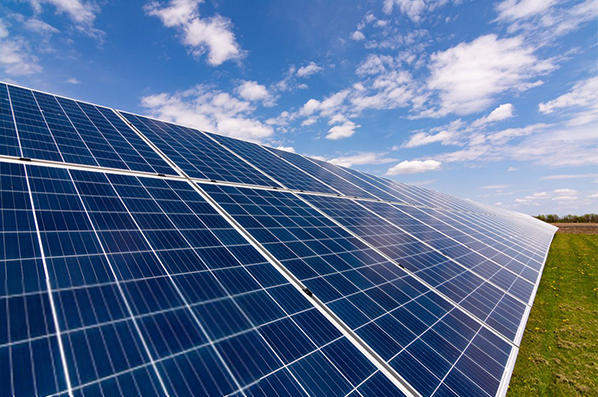
Strategic priorities include expanding rooftop solar, floating solar, and agrivoltaic projects, while accelerating offshore wind development. Researchers believe these technologies can help reduce carbon emissions and create new economic opportunities.
Yonghyun Song, Chief Technology Officer of NEXT Group, stated that for every gigawatt of renewable energy installed, the equivalent amount of money stays within South Korea rather than flowing to fossil fuel exporting countries.
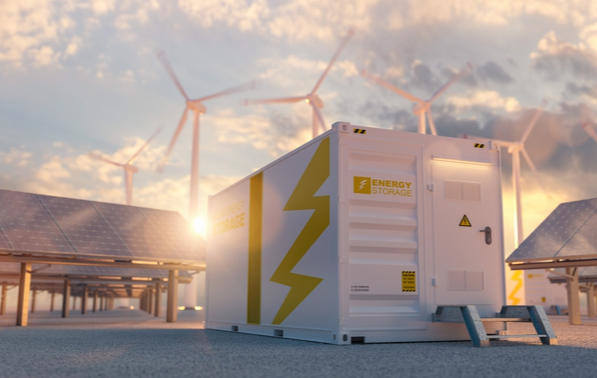
By combining renewable energy expansion with electrification and energy storage, South Korea is committed to building a more sustainable and resilient future energy system.
This article is compiled by Wedoany. All AI citations must indicate the source as "Wedoany". If there is any infringement or other issues, please notify us promptly, and we will modify or delete it accordingly. Email: news@wedoany.com