en.Wedoany.com Reported - In May, rebar prices exhibited a volatile pattern, rising to a peak before retreating and then recovering again at the end of the month. As of May 25, the price of the main rebar futures contract for May 2026 rose from 3,214 yuan/ton to a high of 3,289 yuan/ton, subsequently falling to a low of 3,163 yuan/ton, and finally closing at 3,210 yuan/ton. The fluctuation range was narrow, with prices generally flat. Rebar experienced sustained volatility from January to April. After breaking out of the consolidation range in early May, prices have now returned to the upper edge of the range. With the arrival of summer, the market holds a neutral to slightly optimistic view on steel price trends.
Macroeconomic factors are providing a certain level of support for steel prices. Recently, uncertainties in the international macroeconomic landscape have increased. Geopolitical conflicts in the Middle East have kept crude oil prices high, potentially affecting the pace of overseas interest rate cuts. The ongoing conflict may impact China's commodity exports to the Middle East and push up shipping costs and iron ore prices. At the same time, the conflict's impact on Southeast Asian industries could benefit China's steel exports. If the Strait of Hormuz is reopened, it would be favorable for China's steel exports to the Middle East. On the monetary front, high overseas inflation could influence the Federal Reserve's decisions on interest rate cuts, putting pressure on commodity prices. Domestically, monetary interest rates continue to decline, lowering the holding cost of commodities and providing some support for steel prices. According to data from the National Bureau of Statistics, the Consumer Price Index (CPI) rose by 0.3% month-on-month and 1.2% year-on-year in April. The core CPI, excluding food and energy prices, rose by 1.2% year-on-year, maintaining a moderate recovery. The Producer Price Index (PPI) for industrial products rose by 1.7% month-on-month and 2.8% year-on-year, with the year-on-year increase expanding from the previous month. The recovery in domestic inflation levels has had a positive effect on rebar prices.
Steel product inventories have fallen to low levels. Due to poor production profitability, output at the steel industry level remains on a downward trend. Data from the National Bureau of Statistics shows that China's crude steel output in April 2026 was 83.63 million tons, down 2.8% year-on-year; pig iron output was 70.69 million tons, down 3.6% year-on-year; and steel product output was 122.63 million tons, down 1.7% year-on-year. From January to April, China's crude steel output was 331.12 million tons, down 4.1% year-on-year; pig iron output was 282.28 million tons, down 3.1% year-on-year; and steel product output was 471.94 million tons, down 1.3% year-on-year. In April, rebar output was 15.112 million tons, down 13.4% year-on-year; medium and heavy plate and strip output was 17.598 million tons, down 4.9% year-on-year; and wire rod output was 10.46 million tons, down 10.7% year-on-year. According to data from Shanghai Steelhome, for the week ending May 22 (May 18-22), rebar output was 2.2114 million tons, an increase of 197,400 tons week-on-week and a decrease of 103,400 tons year-on-year. The capacity utilization rate was 48.48%, up 4.33 percentage points week-on-week and down 2.26 percentage points year-on-year. As of May 20, the weekly rebar inventory at national construction steel mills was 1.754 million tons, down 6.6% year-on-year.
Rebar consumption performance has been mediocre. The main downstream sectors for rebar are real estate and infrastructure. In recent years, poor data on new housing starts has weighed on rebar trends. Although real estate transaction data has recently shown some recovery, it will take longer for this to translate into new construction starts. Data from the National Bureau of Statistics shows that from January to April 2026, the floor space under construction by real estate development enterprises was 5,451.16 million square meters, down 12.1% year-on-year (of which residential floor space under construction was 3,780.05 million square meters, down 12.5% year-on-year); the floor space of new construction starts was 139 million square meters, down 22.0% year-on-year (of which residential new construction starts were 100.57 million square meters, down 23.6% year-on-year); and the floor space of completed buildings was 118.86 million square meters, down 24.0% year-on-year (of which residential completed floor space was 84.73 million square meters, down 25.8% year-on-year). From January to April, national infrastructure investment increased by 4.3% year-on-year. Steel export demand remains high. Data from the General Administration of Customs shows that China exported 9.498 million tons of steel in April, up 4.0% month-on-month. From January to April, China's cumulative steel exports were 34.214 million tons, down 9.7% year-on-year. Recently, steel mills have received good export orders, which is expected to provide some support for steel demand during the summer.
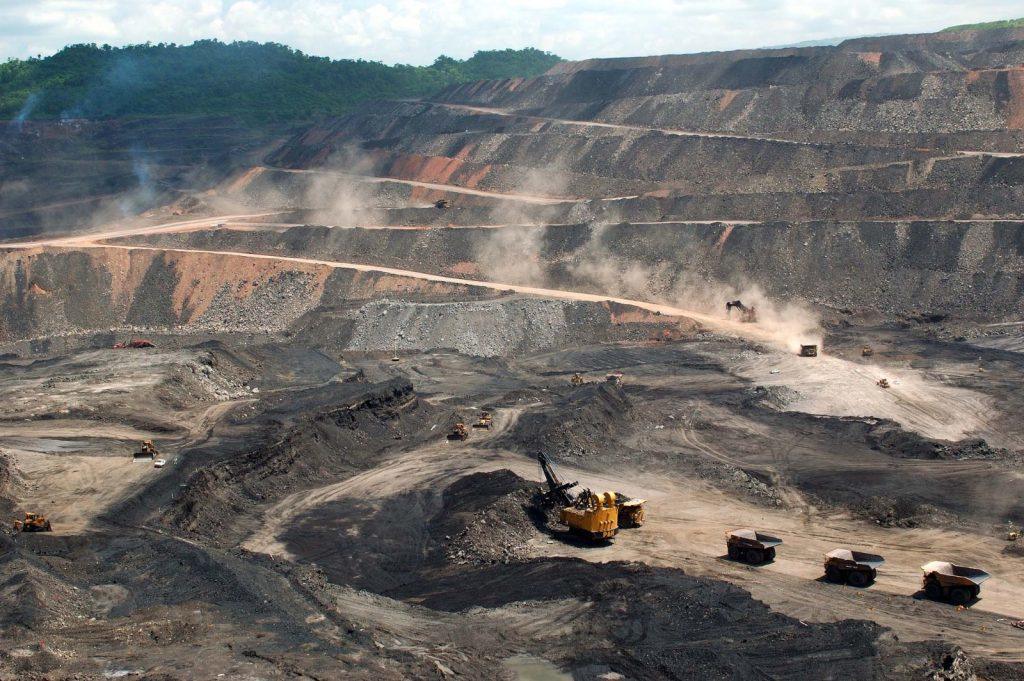
Attention should be paid to the supporting role of coal on rebar prices in the later period. As the weather gradually becomes hotter, the market will transition from the low electricity demand season to the peak demand season after summer. From an energy perspective, the probability of coal prices rising this summer is relatively high, which could drive a significant upward trend in rebar prices. From an energy supply perspective, coal output has declined year-on-year. Data from the National Bureau of Statistics shows that in April, China's raw coal output from industrial enterprises above the designated size was 390 million tons, down 1.0% year-on-year, with an average daily output of 12.85 million tons. From January to April, China's raw coal output from industrial enterprises above the designated size was 1.58 billion tons, down 0.1% year-on-year. On the coal demand side, electricity generation by industrial enterprises above the designated size accelerated. In April, power generation by industrial enterprises above the designated size was 744 billion kWh, up 2.6% year-on-year. It is expected that the hot summer climate this year will increase electricity demand. Coal supply and demand are improving, coupled with high overseas crude oil prices, leading to strong energy supply and demand dynamics. On May 22, a gas explosion accident occurred underground at the Liushenyu Coal Industry Co., Ltd. of Tongzhou Group in Qinyuan County, Changzhi City, Shanxi Province, resulting in significant casualties. This incident will have a profound impact on the current Shanxi coal industry. Following the accident, many areas in Shanxi (such as Lvliang and Jinzhong) urgently launched coal mine safety production inspections, which will exacerbate the tight coal supply situation.
Overall, there are no bright spots in rebar supply and demand, but prices are not high and macroeconomic factors provide support. It is expected that summer coal prices will drive steel prices higher, and the rebar market will generally be on a stronger footing.
This article is compiled by Wedoany. All AI citations must indicate the source as "Wedoany". If there is any infringement or other issues, please notify us promptly, and we will modify or delete it accordingly. Email: news@wedoany.com